
Discover Michigan Long‑Term Camping: Best Seasonal RV Sites for Extended Stays
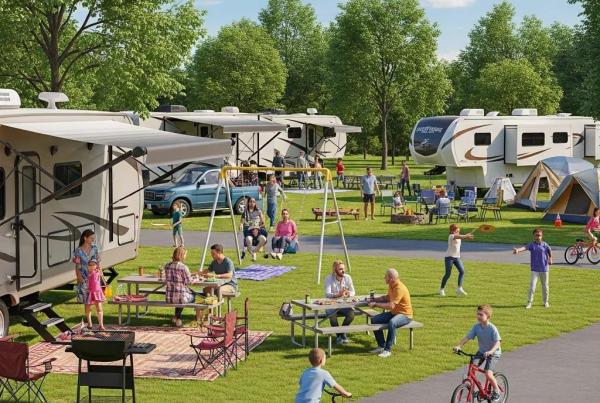
Seasonal or long‑term camping means reserving a campsite for weeks or an entire season so your RV or travel trailer becomes a semi‑permanent home base—whether you’re here to play, work remotely, or live with family. This guide walks through why Michigan is an excellent choice for extended RV living, which amenities matter most, where seasonal campgrounds tend to cluster, and how to plan a confident move into long‑term camping. You’ll learn how full hookups, community programming, and proximity to towns affect value, plus practical checks like electrical capacity and winter readiness. We also spotlight a nearby, bookable example—The Oaks Campground by GatherGrounds—to show how a real property meets seasonal camper needs. Follow the sections to compare amenities, use planning checklists, and find clear next steps to inquire about seasonal sites locally.
Why Choose Long-Term Camping in Michigan?
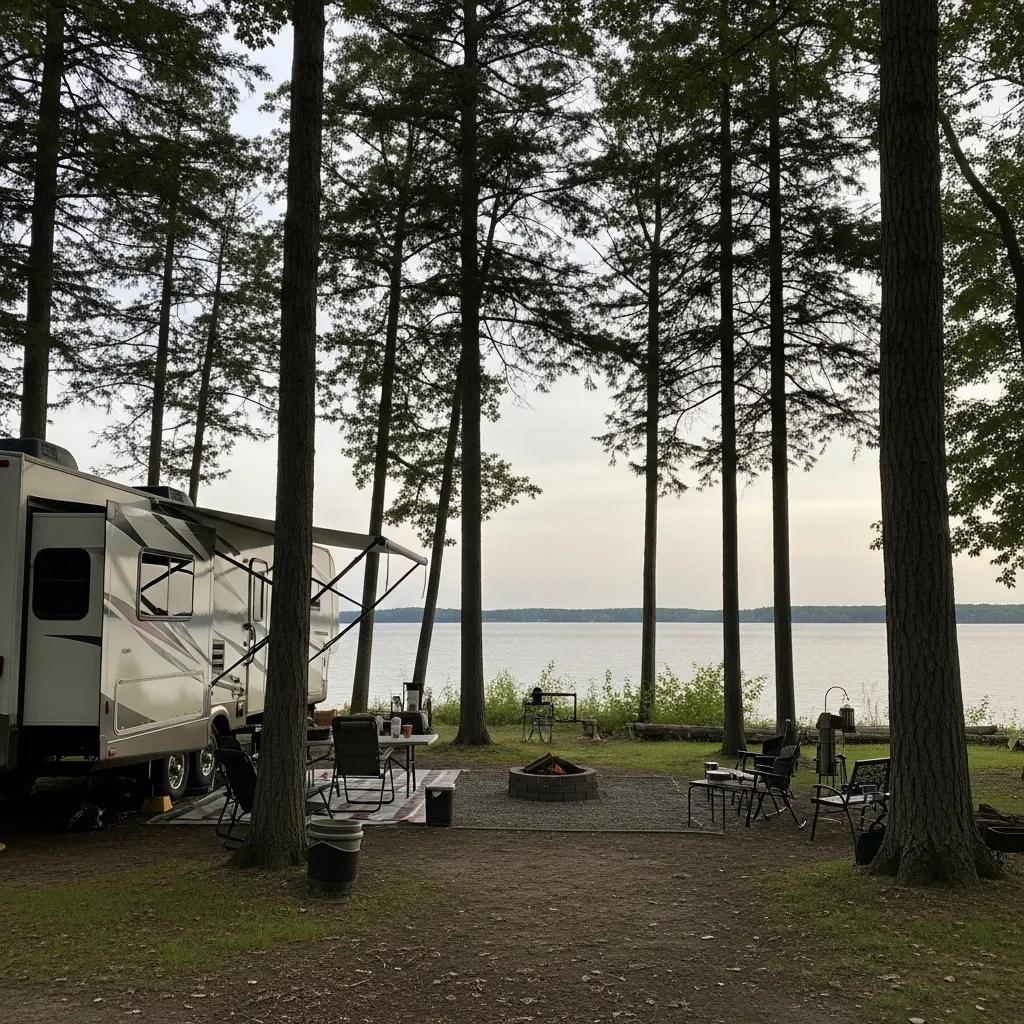
Long‑term camping in Michigan blends lower costs, daily access to the outdoors, and a stable community—benefits that short stays rarely deliver. Staying for a season spreads fees over more nights and lets you create a home‑like setup with stored gear, dedicated storage, and personalized site arrangements for easier everyday living. Seasonal sites also encourage stronger neighbor relationships and recurring events that add social value. Knowing these advantages helps you decide which campgrounds and specific sites will suit extended living best.
Seasonal camping offers several clear advantages over short visits:
- Lower per‑night cost: Seasonal rates amortize fees across weeks or months, cutting your effective nightly expense.
- Home‑like setup: Longer stays let you install awnings, storage systems, and familiar utilities for everyday comfort.
- Community and events: Regular programming and neighbor connections turn a campground into a community, not just a place to park.
These advantages guide how you evaluate campgrounds and help you plan logistics like storage, mail routing, and trips into nearby towns.
What Are the Benefits of Seasonal and Extended Stay Camping?
Seasonal camping saves money, brings stability, and supports repeatable routines by turning a campsite into a reliable basecamp with predictable costs and amenities. Many parks offer discounted monthly or seasonal pricing versus nightly rates, which lowers lodging expenses for families and retirees. Practically, long‑term occupants can keep sites stocked, leave vehicles and gear ready, and build social networks that organize potlucks, game nights, and hobby groups—things that improve retention and daily enjoyment.
Extended stays also make recreational planning easier: you can explore local trails and waterways without constant packing and unpacking. That continuity pairs naturally with Michigan’s variety of landscapes and is a key reason families and remote workers choose seasonal sites over short trips.
How Does Michigan’s Natural Beauty Enhance Long-Term Camping Experiences?
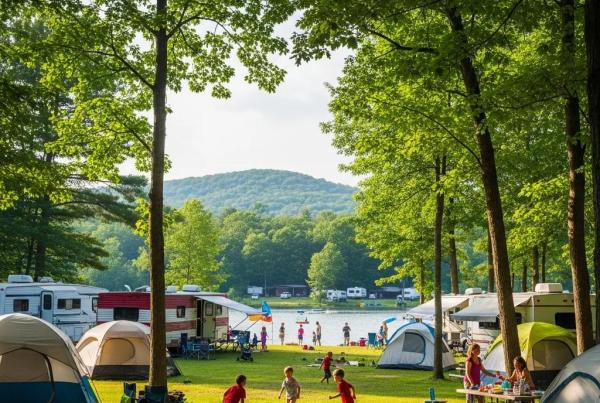
Michigan’s lakes, forests, and recreation areas provide a changing outdoor backdrop that rewards seasonal investment in a campsite. Easy access to freshwater supports fishing, swimming, and boating most of the year, while nearby trails and public lands offer hiking, birdwatching, and winter snowshoeing. When you stay through the seasons—spring migration, summer lake days, fall color, and quiet winter—your campsite becomes a front‑row seat to nature’s rhythms without repeated moves.
That steady access to green space supports healthier routines—daily walks, outdoor hobbies, and social recreation—that boost both physical and mental well‑being. Understanding the local environment helps you choose a site that matches the activities you want most.
What Amenities Define the Best Long-Term RV Parks in Michigan?

Top long‑term RV parks offer dependable full hookups, helpful on‑site services, and recreational programming that supports family life and extended stays. Full hookups with the right amperage and reliable sewer/water keep a rig functioning like a second home. On‑site laundry, a camp store, and stable Wi‑Fi reduce friction for seasonal residents, while assets like lakes, trails, and playgrounds provide the recurring value that justifies a seasonal commitment. Evaluating campgrounds along these amenity lines makes comparing options straightforward.
Use this compact amenity comparison to judge typical long‑term options across property types.
This table helps you prioritize which amenities matter most and where to press for details during a site tour.
Which Full Hookup Features Are Essential for Extended RV Stays?
Full hookups are the backbone of comfortable seasonal living: they supply continuous power, water, and sewage service for daily life and household appliances. Be sure your rig’s electrical needs—30 amp versus 50 amp—match the pedestal, check water pressure (and consider filtration if needed), and verify that sewer hookups are convenient for routine use. In Michigan, winterization and freeze protection are also important—ask whether the park maintains hookups or offers winter services.
Preparing for these technical realities reduces downtime and steers you to sites that support uninterrupted seasonal living.
How Do Family-Friendly Activities and Community Events Support Seasonal Campers?
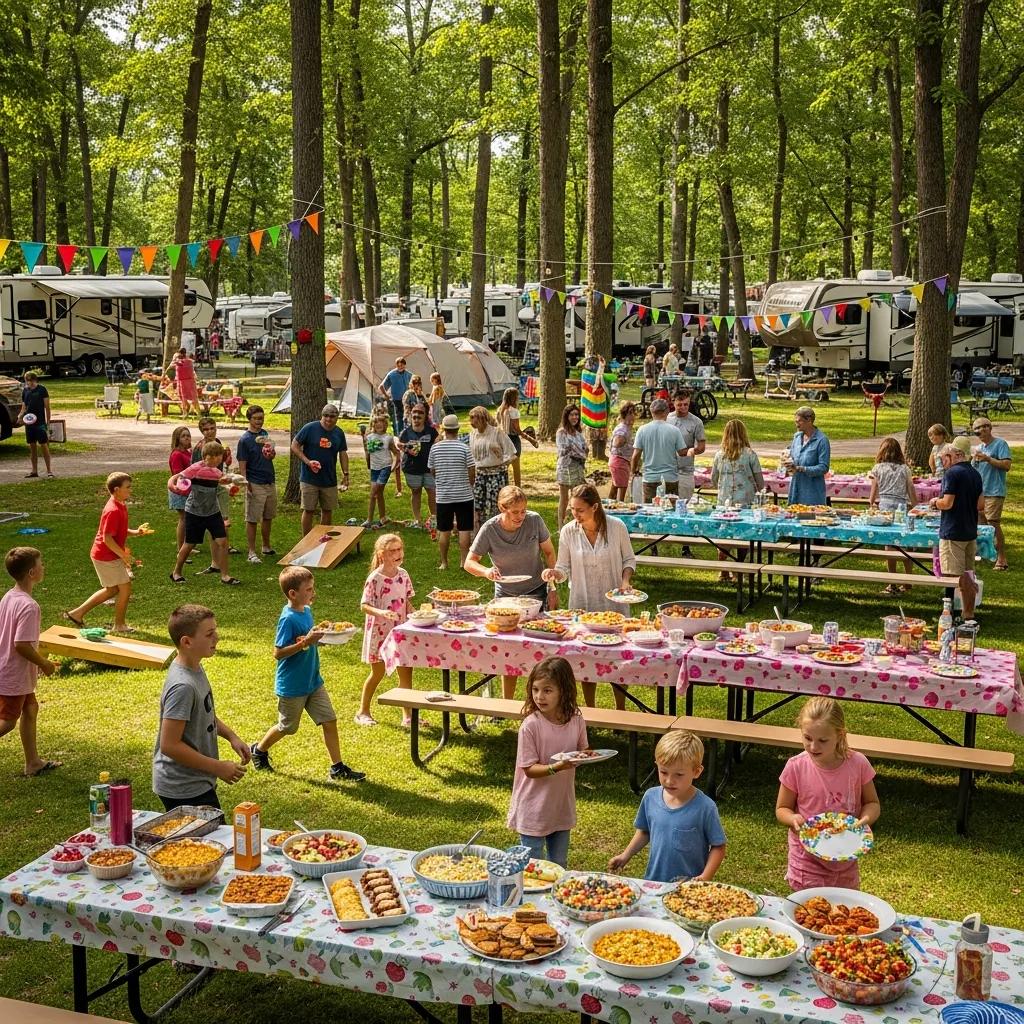
Family programming and community events raise the social value of a seasonal site by offering activities that build neighborly bonds, entertain kids, and create traditions. Themed weekends, crafts, and group outings help a campground feel like a community rather than a row of sites. For seasonal residents, a regular event calendar means more predictable social life and stronger reasons to return year after year.
Parks that schedule events often see higher seasonal retention—ask potential campgrounds about typical programming and how seasonal guests can get involved.
Where Are Michigan’s Top Seasonal Campgrounds Located?
Top seasonal campgrounds tend to cluster where water, trails, and town access meet—southeast Michigan near Detroit and Ann Arbor, along lakeshore corridors, and inland near state recreation areas. These regions strike a balance between nature and logistics, making it easy to combine campground life with trips into town for supplies, medical care, or culture. Region matters for weather exposure and travel time, so geography should be a key part of your site selection.
Your chosen region will shape day‑to‑day life and long‑term satisfaction with a site.
Popular regions for long‑term camping in Michigan include:
- Southeast Michigan: convenient to Detroit and Ann Arbor for urban access
- Lakeshore corridors: ideal for frequent boating and fishing
- Inland recreation areas: next to large public lands for trail access
Choosing a region balances access to healthcare, shopping, and cultural venues with time spent outdoors—important for families and remote workers who split time between camp and town.
How Does Proximity to Metro Areas Like Detroit and Ann Arbor Benefit Seasonal Campers?
Being close to metro areas shortens errands, medical visits, and entertainment runs while keeping your campground time peaceful. Shorter drives make it easier for friends and family to visit and support hybrid living—part‑time camp, part‑time city—for working campers. Sites within reasonable distance of Detroit or Ann Arbor offer a mix of rural calm and urban convenience.
That proximity also helps in emergencies and for quick resupply, making metro‑adjacent campgrounds attractive to families and older campers who value easy access to services.
What Outdoor Attractions Are Near Popular Long-Term Camping Sites?
Nearby attractions—state parks, large lakes, and trail networks—multiply the value of a seasonal site by offering repeatable activities that sustain long stays. Campgrounds next to public lands give you immediate miles of trails for hiking and riding; lakes and ponds support regular fishing and boating; and regional event calendars keep the season interesting. Identifying the top 3–5 nearby attractions helps you forecast monthly recreation possibilities.
These assets make seasonal planning simple and ensure long‑term living delivers diverse outdoor experiences.
Why Is The Oaks Campground by GatherGrounds a Premier Choice for Long-Term Camping?
The Oaks Campground by GatherGrounds checks the boxes seasonal campers care about: generous acreage, varied recreation, and full‑hookup sites suited to extended stays. Located in Munith, Michigan, The Oaks sits on 160 acres next to Waterloo State Recreation Area, with direct trail access. On‑site features include a swimming lake (with a Wibit water park planned for 2026), a large fishing pond, roughly 120 acres of golf cart‑friendly trails, playgrounds, pavilions, and a camp store—amenities built around family‑focused seasonal camping and repeat visitation.
Compare The Oaks’ key attributes in the table below to see how it aligns with seasonal priorities.
This snapshot shows The Oaks’ strengths: space to roam, varied recreation, and hookup infrastructure that supports seasonal living.
What Unique Amenities and Features Does The Oaks Offer for Seasonal RV Sites?
The Oaks blends family recreation with infrastructure built for seasonal residents—daily conveniences and activities that sustain long stays. The large property and adjacent state recreation area allow extensive trail riding and nature exploration, while the on‑site lake and fishing pond deliver water recreation right at your doorstep. The planned Wibit water park (2026) will add family appeal, and playgrounds, pavilions, and a camp store cut down on trips off‑site. Full‑hookup seasonal sites make extended stays practical with minimal rig interruptions.
Together, these amenities form a strong package for families and seasonal RV campers looking for balanced recreation near metro areas.
How Can You Reserve a Seasonal Site at The Oaks Campground?
To inquire about seasonal availability at The Oaks Campground by GatherGrounds, identify the seasonal site options and confirm full‑hookup compatibility for your rig, then contact the park’s reservation or seasonal inquiry team to request rates, deposits, and specific site details. Ask about season dates, site transfer policies, and upcoming infrastructure like planned amenity additions. Before you reserve, verify site amperage, winterization services, and any community programming included with seasonal bookings.
When you reach out, reference The Oaks’ address—7800 Cutler Rd, Munith, MI 49259—to ensure you’re discussing the correct property and available seasonal sites.
How to Plan Your Long-Term Camping Adventure in Michigan?
Planning a seasonal camping stint means covering gear, agreements, budget, and site selection so your season runs smoothly and legally. Key steps include confirming technical compatibility (amps and sewer hookups), creating a maintenance and supply plan, and understanding contract details like deposits and cancellation windows. Budget for site fees, utilities, travel, and a maintenance contingency. Thoughtful planning minimizes surprises and frees you to enjoy extended outdoor living.
Use the checklist below to confirm the practical items most seasonal campers handle before committing.
What Should Be Included in a Seasonal Camping Checklist?
A seasonal checklist prepares your rig and personal items for extended stays: electrical adapters and surge protection, durable water and sewer hoses, stabilizers, awning care supplies, and winterization gear if you’ll be here late in the season. Keep personal safety items and documents—insurance, registration, and your seasonal agreement—organized and handy. If the park offers golf cart or trail passes, reserve them early. Preparing these items before move‑in cuts first‑week friction so you can settle into seasonal routines quickly.
What Are the Typical Seasonal Camping Agreements and Rates in Michigan?
Seasonal agreements spell out season dates, deposit amounts, payment schedules, and cancellation terms; they vary by site size, hookup level, and park amenities. Rates depend on factors like proximity to cities, presence of full hookups, and on‑site recreation—properties with lakes and organized programming usually charge more. Compare what’s included—trash, Wi‑Fi, and event access—when judging value, and ask parks for a written breakdown of seasonal fees.
For current pricing and availability near you, contact The Oaks Campground by GatherGrounds for exact seasonal rates and site options.
What Are Common Questions About Long-Term Camping in Michigan?
Seasonal campers commonly ask about costs, year‑round residency rules, and how to confirm availability. Clear answers reduce uncertainty and speed decisions. Typical concerns include typical price ranges and what affects them, whether parks allow year‑round living, and what documentation and preparations multi‑month stays require. Practical, direct guidance helps you move from research to touring and booking.
Below are concise answers to frequent PAA‑style questions to help you decide faster.
What Is the Average Cost of Seasonal Campsites in Michigan?
Seasonal site costs in Michigan vary by location and amenities. Basic seasonal sites with limited services are more affordable, while lakefront or full‑service parks charge premiums. Drivers include site size, hookup level (30 vs 50 amp), on‑site recreation, and distance to metro areas like Detroit or Ann Arbor. For exact local rates, check each property’s seasonal pricing; for example, The Oaks Campground by GatherGrounds posts seasonal options for Munith‑area campers.
Knowing these variables helps you build a realistic budget and compare value during tours and inquiries.
Can You Live Year-Round in Michigan RV Parks?
Year‑round residency depends on park policy and local rules. Some parks allow winter stays with proper services; others close for the off‑season and don’t permit habitation. Practical needs for year‑round living include heated water, protected hookups, reliable access, and storage for outdoor items. If you’re considering winter occupancy, confirm park policies, winterization services, and snow removal options. Always get site‑specific rules and written policies from park management before committing.
Contact campground management directly for authoritative answers about residency permissions and winter services at any given property.
Frequently Asked Questions
What Should I Consider When Choosing a Long-Term Camping Site in Michigan?
Look at location, amenities, and community life. Seek full hookups, dependable Wi‑Fi, and recreational facilities like lakes and trails. Proximity to towns helps for shopping and medical care. Also evaluate event calendars and neighbor interaction—strong community programming can greatly enrich your stay. Balancing these elements will help ensure the site fits your lifestyle and recreation goals.
How Can I Prepare My RV for Long-Term Camping?
Make sure electrical, plumbing, and appliances are in good working order. Confirm your power needs and hookup compatibility, stock essential hoses and maintenance tools, and plan for winterization if needed. Keep paperwork—insurance, registration, and lease or seasonal agreements—accessible. Thorough preparation improves comfort and reduces problems during your season.
What Are the Best Times of Year for Long-Term Camping in Michigan?
Late spring through early fall is prime for long‑term camping, with summer as the busiest season. Fall offers beautiful foliage and fewer crowds for a quieter experience. Winter camping is possible but requires special cold‑weather preparation. Your ideal season depends on preferred activities and tolerance for variable weather.
Are There Specific Regulations for Long-Term Camping in Michigan?
Yes—rules vary by campground and can cover length of stay, site upkeep, and occupancy limits. Some parks restrict year‑round residency or require winterization for extended stays. Always review a campground’s policies and local regulations before committing, and contact park management to clarify any rules that affect your plans.
What Activities Can I Enjoy While Long-Term Camping in Michigan?
Michigan offers fishing, boating, hiking, biking, and trail riding across its parks and waterways. Many campgrounds host community events like potlucks and themed weekends that foster connections. Seasonal changes open different opportunities—fall color viewing and winter sports among them—so long‑term stays let you experience a wide variety of outdoor pursuits.
How Do I Find Community Events at Campgrounds?
Check the campground’s website and social media for calendars and announcements. Newsletters and on‑site bulletin boards often list upcoming activities. When touring or inquiring, ask management about the event schedule and how seasonal guests can participate. Talking with fellow campers can also uncover informal gatherings and ongoing groups.
Conclusion
Long‑term camping in Michigan delivers real benefits: lower costs, close‑knit community, and easy access to remarkable outdoor spaces. By focusing on the right amenities and choosing the region that matches your lifestyle, you can make a seasonal site feel like home. Ready to explore? Start with available seasonal sites and amenities at The Oaks Campground and other local parks, then plan your move with the checklists above. Your next season on the road—or by the lake—starts with a single inquiry.