
Michigan Campgrounds for Long-Term Stays: Family-Friendly Seasonal & Extended Camping
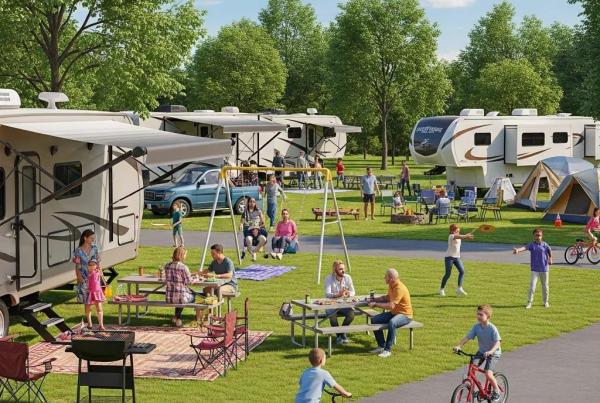
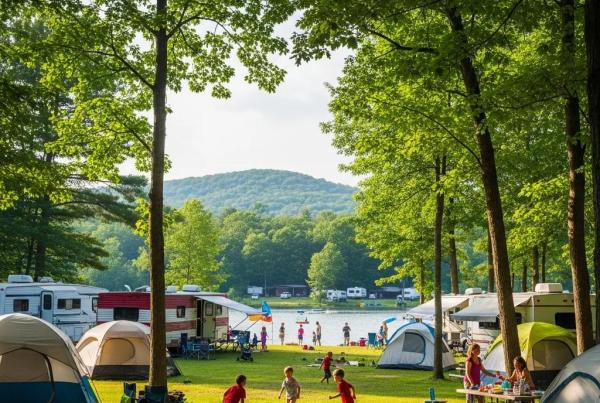
Seasonal and long-term camping in Michigan is more than a place to park an RV — it gives families steady access to nature, predictable routines, and a community-minded lifestyle that balances comfort with outdoor living. This guide explains what seasonal and long-term camping looks like here, why families choose extended stays, and how to evaluate parks built for seasonal RV life. You’ll learn the practical perks, the key amenities to prioritize for multi-week or multi-month stays, how to reserve a seasonal site, and which nearby natural attractions make a longer stay worthwhile. We also highlight how a family-focused campground with full-hookup seasonal sites next to a large recreation area can meet those needs. By the end you’ll have a decision checklist for choosing a seasonal spot, a simple booking plan, and practical packing tips for extended stays in Michigan. Next, we review the core benefits that make seasonal and extended-stay campgrounds appealing to families and long-term RV residents.
What Are the Benefits of Seasonal and Extended Stay Campgrounds in Michigan?
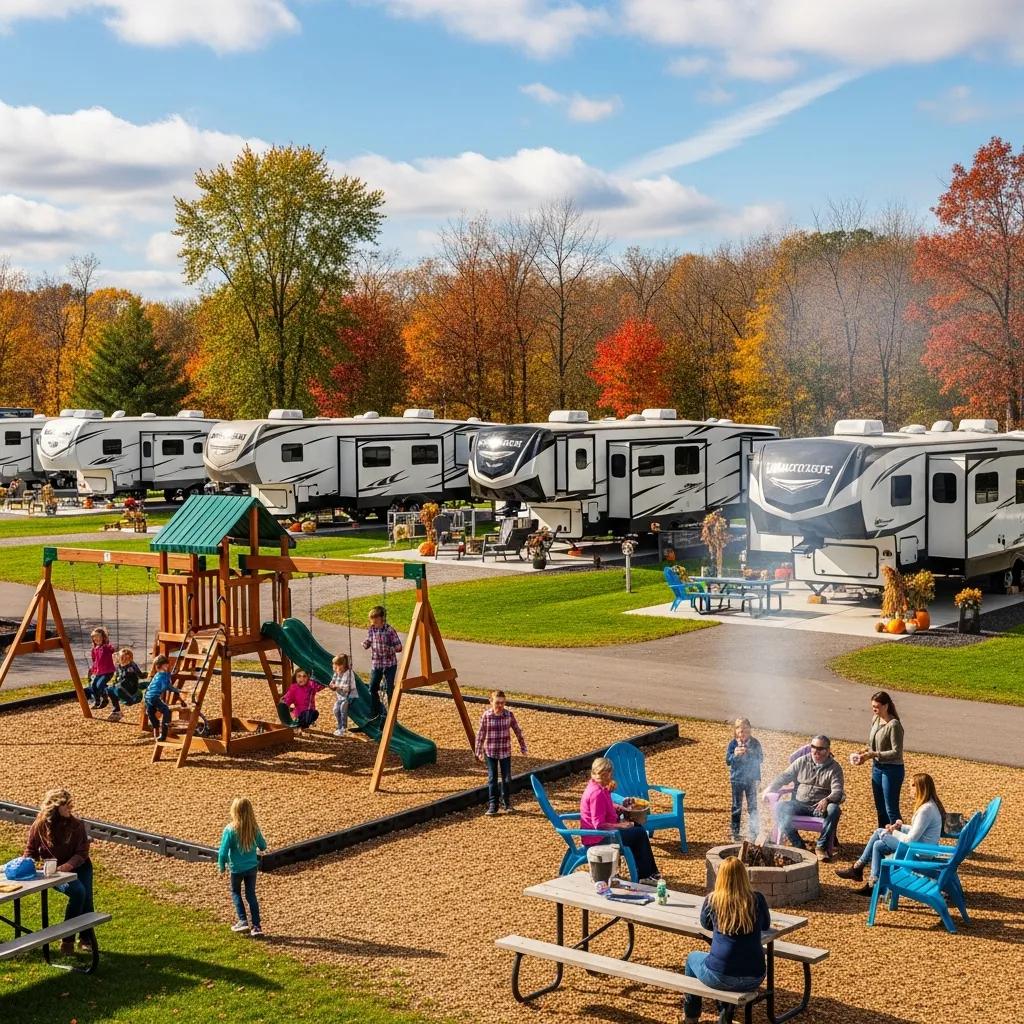
Seasonal and extended-stay campgrounds in Michigan offer ongoing access to outdoor recreation, dependable utility infrastructure, and regular social routines that support family life and day-to-day comfort. These sites usually provide steady full hookups, recreational amenities, and community programming that remove the hassle of frequent short-term moves and create familiar rhythms for kids and adults. The mix of cost savings, location continuity, and nearby natural areas lets families plan schooling, local healthcare, and longer projects like gardening or fishing without constant relocation. Understanding these benefits helps you focus on which amenities matter most when evaluating seasonal sites.
Seasonal camping also brings structure to everyday outdoor life through planned activities and reliable site features. Below is a quick summary of the main advantages.
- Consistent access to outdoor recreation and local attractions to support daily life and weekend plans.
- Community and social benefits that build friendships, shared programming, and neighbor-to-neighbor support.
- Practical comforts—storage, full hookups, and on-site services—that make extended RV living manageable.
How Does Seasonal Camping Enhance Family Outdoor Experiences?
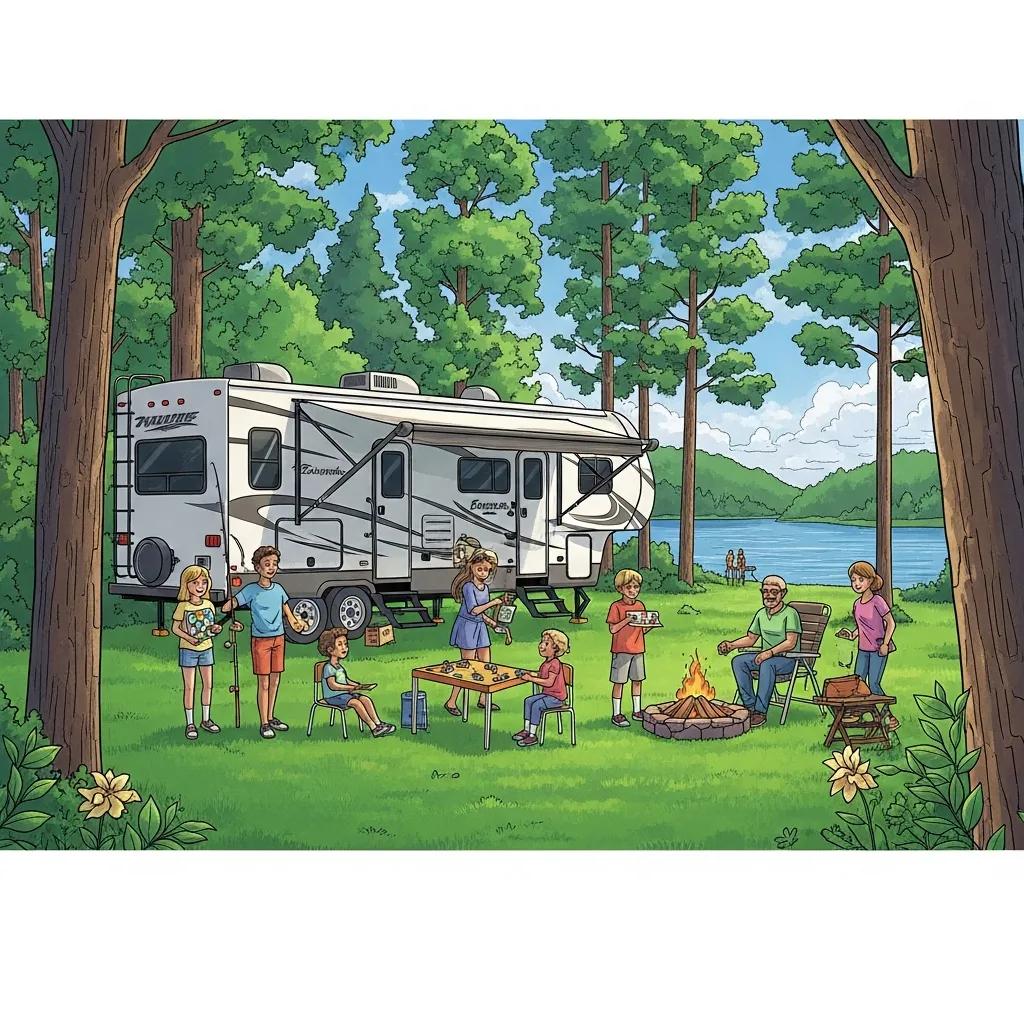
Seasonal camping gives families predictable schedules and safe places for play, learning, and exploration. Regular events, themed weekends, and maintained play areas let families plan around school and seasonal routines, keeping kids engaged and parents relaxed. Multi-age activities — short nature trails for little ones, lake sports for teens, and guided walks for adults — let everyone follow their interests while staying together as a group. That reliable structure supports spontaneous fun and recurring family traditions, making longer stays more rewarding.
These family-focused routines lead naturally into the community bonds and comforts that make long-term camping sustain families and long-term visitors alike, which we cover next.
Why Choose Long Term Camping for Community and Comfort?
Long-term camping creates a sense of belonging and provides practical comforts that make life away from a permanent house feel stable and enjoyable. Seasonal residents form networks that organize group activities, maintenance swaps, and social events that reduce isolation and build local support. Extended-stay sites also allow personalization — outdoor furniture, container gardens, and smart storage — that help an RV feel like a semi-permanent home with consistent utilities. Together, the social and practical benefits improve quality of life and let families and long-term guests thrive.
Knowing these community benefits makes it easier to decide which amenities matter most for long-term satisfaction, which we explore next.
Which Amenities Make The Oaks Campground Ideal for Long Term Stays?
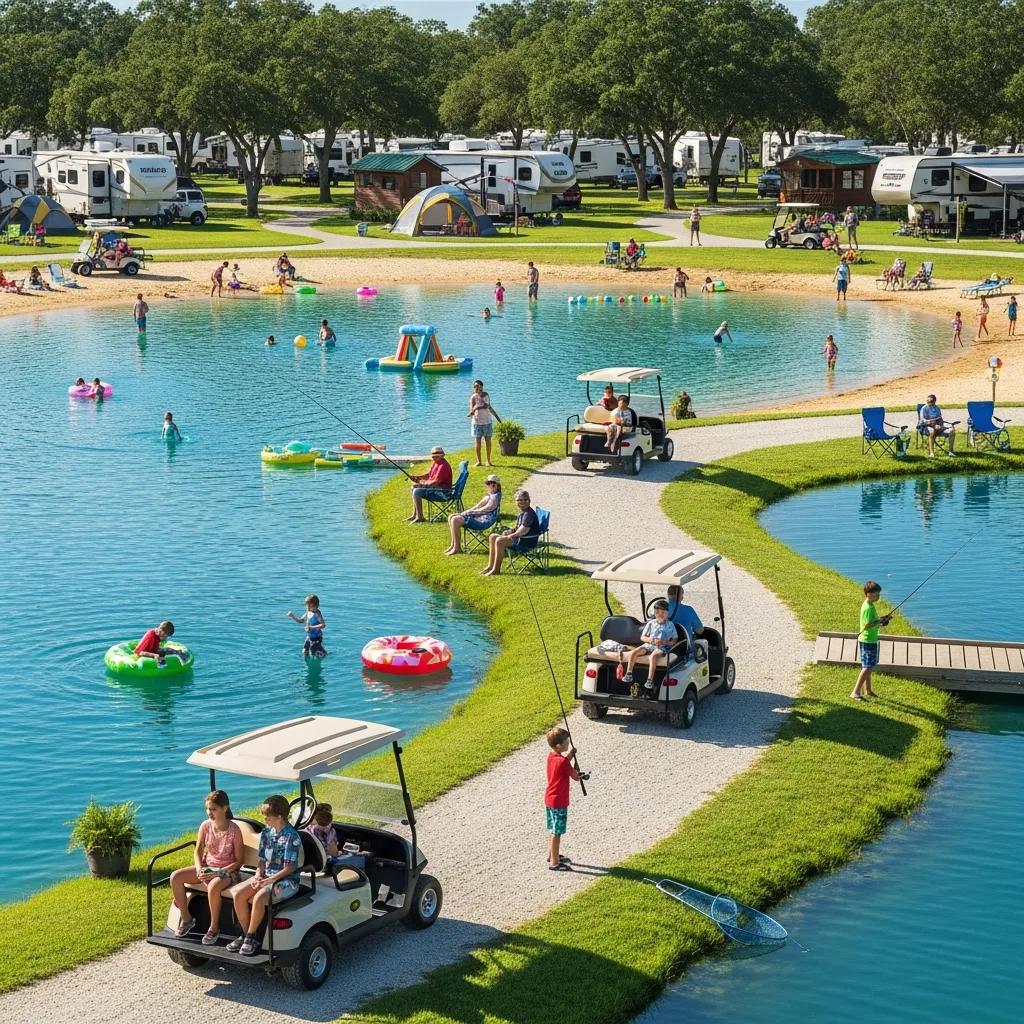
Amenities that support long-term stays include reliable full hookups, a variety of recreational options, safe golf-cart routes, and programming that keeps families engaged for months at a time. A long-stay-friendly campground pairs dependable utilities with on-site leisure — like a swimming lake and a fishing pond — so daily life includes both necessary infrastructure and ongoing recreation. Play areas and themed events keep younger guests active, while trails and golf-cart-accessible paths give older kids and adults easy mobility. Looking at both technical supports (hookups, storage) and lifestyle offerings (events, lakes, trails) helps you judge whether a site will sustain comfort and enjoyment through a season.
Below is a quick table of amenity attributes to scan for when choosing an extended-stay campground and how they support long-term living.
The most important features at a family-focused seasonal campground are dependable full hookups, multiple water features for recreation, and trail access next to a larger recreation area — together they create a balanced daily life for seasonal residents.
What Full Hookup Features Support Extended RV Camping?
Full hookup sites supply the core utilities — potable water, shore power, and sewer connections — that make weeks or months of RV living practical. Reliable amperage options (typically 30A and 50A) let modern RVs run heating and cooling, kitchen appliances, and electronics without trouble. Consistent wastewater service cuts down on off-site dumping, and steady water pressure supports everyday tasks like showering and dishwashing. For long-term residents, these technical features lower maintenance needs and make seasonal life work much like living in a small home.
Knowing hookup specs and expected utility reliability is essential when comparing sites, and it leads naturally into the role of recreational programming and family activities in keeping guests happy long-term.
How Do Family-Friendly Activities and Planned Events Enrich Longer Visits?
Planned events and recurring activities turn a collection of sites into a connected community that keeps extended-stay guests involved all season. Weekend themes, craft sessions, lake games, and seasonal festivals provide regular social anchors that help families meet neighbors and form traditions. Consistent, varied programming — blending quiet nature activities with lively family events — lets long-term guests choose the balance of solitude and social interaction they prefer. Together with solid amenities, these programs increase retention and make seasonal life more fun.
Considering both technical amenities and programming gives a fuller picture of what makes a campground suited for long family stays, and it sets you up for the practical steps to reserve a seasonal site.
How to Book and Plan Your Seasonal RV Site at The Oaks Campground?
Booking and planning a seasonal RV site starts with understanding typical reservation steps, deposit and booking windows, and logistics for a longer move-in. First, confirm the seasonal site types available and that full hookups match your RV size and electrical needs. Next, ask about booking windows and deposit rules so you can secure preferred sites before peak demand — many seasonal programs allocate long-term sites early. Finally, plan move-in logistics — delivery of personal items, site setup, and local provisioning — to cut first-week friction and make the transition smooth.
Here’s a step-by-step booking checklist to simplify reserving a seasonal RV site and cover the essentials before you commit to a long stay.
- Confirm site type and utility specs to match your RV’s requirements.
- Ask about booking windows and the deposit needed to reserve your site.
- Review cancellation and transfer policies so you understand your flexibility.
- Arrange move-in logistics and local provisioning to minimize disruption when you arrive.
These steps streamline reservations and prepare you for the planning and packing guidance below.
What Are the Seasonal Rates, Availability, and Reservation Policies?
Seasonal rates and reservation rules vary, but often include tiered pricing by site location, size, and included amenities. Deposits typically secure seasonal leases and booking windows can open months before the season starts. Clarify whether rates cover utilities, amenity access, or community programming so you can compare value and budget appropriately. Ask which sites fill first — lakeside or activity-center spots usually go fastest — and get cancellation and transfer policies in writing to avoid surprises. Checking these details up front protects your budget and ensures the site matches both technical needs and lifestyle expectations.
Understanding typical rate structures and policy elements reduces uncertainty when you finalize a seasonal reservation and helps you prepare to pack and provision for arrival.
How to Prepare and Pack for an Extended Stay in Michigan?
Preparing for an extended Michigan stay means planning for changeable weather, longer resupply cycles, and ongoing RV maintenance. Pack kitchen staples and bulk food, RV maintenance supplies (filters, hoses, spare fuses), layered clothing for variable temperatures, and safety gear like a fire extinguisher and a well-stocked first-aid kit. Consider storage for off-season items and identify nearby towns for routine provisioning to avoid last-minute runs. Thoughtful planning makes extended stays smoother and more resilient once your site becomes home for the season.
- Kitchen & Pantry: Durable containers, bulk staples, and a small emergency meal kit.
- RV Maintenance: Spare hoses, filters, basic tool kit, and key electrical supplies.
- Clothing & Safety: Layered clothing, waterproof gear, and a comprehensive first-aid kit.
Smart packing helps you settle into a seasonal site with confidence and frees up time to enjoy nearby attractions described next.
What Natural Attractions Surround The Oaks Campground for Long Term Campers?
Long-term campers benefit from being near large recreation areas, varied trail systems, and water access that support year-round outdoor routines. Sitting next to a state recreation area with lakes and interconnected trails turns hiking, biking, birding, and fishing into regular activities rather than occasional trips. On-site water features add daily options, while short drives to nearby metro areas make provisioning and occasional cultural outings easy. Those nearby natural assets transform a seasonal campsite into a basecamp for ongoing outdoor engagement and local exploration.
The next section explains how to access trails and lakes in the neighboring state recreation area and what to expect when exploring them.
How Can Campers Explore Waterloo State Recreation Area Trails and Lakes?
To enjoy a large state recreation area, match trail difficulty to your group, plan loop routes for daily outings, and use lake access points for seasonal water activities. Pick short, family-friendly loops for regular day hikes and save longer routes for special excursions; find trailheads with parking or bike access to give you options. For lake time, use safe access points and follow basic water safety — life jackets for kids and attention to weather. Seasonal campers who build regular trail and lake outings into their week deepen their connection to the landscape and maintain healthy outdoor habits.
Those habits often lead to more wildlife sightings, which we cover next.
What Wildlife and Bird Watching Opportunities Are Available Nearby?
Campers near mixed forest and wetland habitats often see common Michigan birds and mammals, especially in the morning and evening. Expect waterfowl, woodpeckers, and songbirds along shorelines and trails, and deer or small mammals near the camp edges at dawn and dusk. Practice respectful observation — keep distance, stay quiet, and never feed wildlife — to protect animals and increase the chances of repeat sightings over a long stay. Rotating observation spots and keeping a sightings log can deepen appreciation and shape seasonal activity plans.
Regular wildlife watching pairs well with family programming and adds to the overall value of a long-term camping lifestyle.
What Are the Top Family-Friendly Extended Stay Campgrounds in Michigan?
Choosing family-friendly extended-stay campgrounds means weighing clear criteria: dependable full-hookup utilities, varied on-site recreation, family programming, safe mobility (golf cart trails), and proximity to large natural areas. Use a checklist to balance these attributes against your priorities — whether daily lake access matters more than metro proximity, or whether community events outweigh private-site privacy. One family-focused example highlights acreage near a state recreation area, full-hookup seasonal sites, on-site water features, golf-cart-friendly trails, playgrounds, and regular themed events; those features align with the checklist below. Balancing lifestyle needs and technical requirements helps families pick the campground that best supports long-term seasonal living.
Use this evaluation checklist when comparing seasonal campground options.
- Utility reliability: Are full hookups guaranteed and do sites match your RV amperage?
- Recreational variety: Are there on-site lakes, ponds, trails, and play areas for different ages?
- Community programming: Does the campground run recurring events, themed weekends, or family activities?
- Access and proximity: Is the campground a reasonable drive from nearby metro areas for provisioning or cultural outings?
Working through this checklist makes comparisons easier and highlights which campground features matter most for your family’s extended-stay needs.
How Does The Oaks Compare to Other Seasonal RV Parks in Michigan?
When measured against the features that matter for long stays, a family-focused, 160-acre campground next to a state recreation area stands out for its mix of natural access and on-site amenities. Key differences are closeness to a large trail network, immediate water recreation, and infrastructure built for golf-cart mobility and family safety. Planned additions — such as a Wibit water park expected in 2025 — show continued investment in family programming. The campground’s convenient drive time to regional metros makes provisioning and occasional city trips easy while keeping everyday life centered on nature.
These unique traits show why certain seasonal campgrounds attract families seeking a balance of outdoor access, community, and on-site recreation.
What Unique Features Do Competitor Campgrounds Offer for Long Term Visitors?
Other seasonal parks may highlight resort-style comforts — heated pools, fitness centers, metered utilities, or on-site retail — for guests who want extra convenience alongside seasonal living. Those amenities can cut down on errands and appeal to families who prefer built-in services. When weighing options, prioritize the add-ons that affect daily life most: easy exercise access, nearby retail and services, or enhanced pool features for kids. Knowing which extras matter to you helps match campground choice to your lifestyle and budget.
Understanding how different parks prioritize features helps you make a smarter selection and find the seasonal community that fits your needs.
How Does Year-Round Camping in Michigan Compare to Seasonal Options?
Year-round campgrounds offer access through winter and flexibility for those who need constant site availability, but they also require more infrastructure resilience and higher maintenance because of weather. Seasonal campgrounds focus activity in warm months and often deliver more concentrated programming, predictable community rhythms, and less wear on utilities. For many families seeking community, regular events, and summer-focused outdoor life, a seasonal campground next to a large recreation area offers the best mix of social programming and nature access. Your choice between year-round and seasonal will depend on whether you need winter access or prefer a concentrated seasonal community and events.
That overview leads into the tradeoffs that make each option better suited to different camper types.
What Are the Advantages and Limitations of Year-Round Campgrounds?
Year-round campgrounds let campers stay through winter and suit users who need ongoing site access, but they face weather-related maintenance, frozen utility risks, and a quieter community off-season. Advantages include continuity for winter sports and a permanent base; limitations include higher infrastructure costs and the need to winterize RV systems. Year-round sites fit travelers who require continuous access or enjoy solitude in colder months; seasonal sites fit families who want concentrated community events and summer programming. Weighing these tradeoffs helps you choose the model that matches your lifestyle.
Understanding these differences makes it easier to judge whether a seasonal community delivers the social and recreational benefits you want most.
How Does Seasonal Camping at The Oaks Provide a Unique Experience?
Seasonal camping at a family-oriented campground next to a large state recreation area pairs reliable full-hookup sites with on-site water features, safe golf cart trails, playgrounds, and family-focused programming. The park’s size and proximity to natural assets create daily chances for hiking, fishing, and lake play, while planned upgrades show ongoing commitment to family amenities. For families seeking nature access and a supportive seasonal community, this combination of infrastructure, recreation, and programming offers a standout extended-stay experience. If you’re comparing seasonal choices, weigh these attributes together to see if the site fits your long-term camping goals.
If you’re ready to pursue a seasonal site, check the campground’s current offers and reservation steps to secure your spot for the next season.
Frequently Asked Questions
What should I consider when choosing a seasonal campground in Michigan?
Look at utility reliability, recreational offerings, community programming, and proximity to natural attractions. Check for full hookups, on-site activities, and safety features like golf-cart trails. Review booking policies, seasonal rates, and cancellation terms so they match your family’s needs. A side-by-side checklist helps you compare comfort, convenience, and outdoor access.
Are there specific seasonal camping events or activities for families?
Yes. Many seasonal campgrounds run family-focused events like themed weekends, craft sessions, fishing tournaments, and seasonal festivals. Regular events help families build traditions and meet neighbors. Check a campground’s event calendar to make sure its schedule fits your interests.
How can I ensure a smooth transition to a long-term camping lifestyle?
Plan logistics in advance. Confirm your RV’s utility needs and the campground’s specs, prepare a detailed packing list for cooking, maintenance, and safety, and learn where to replenish supplies locally. Meeting neighbors early and joining community events helps you feel settled faster.
What types of wildlife can I expect to see while camping in Michigan?
Expect deer, waterfowl, and many bird species in mixed forest and wetland areas. Mornings and evenings are best for sightings. Practice respectful observation — keep your distance, stay quiet, and never feed wildlife — to protect animals and improve your chances of seeing them.
How do seasonal campgrounds support family education and activities?
Seasonal campgrounds often offer structured, nature-based programs that align with school schedules: guided walks, fishing lessons, environmental workshops, and hands-on activities. These programs mix fun with learning and help families deepen kids’ connection to the outdoors.
What are the best practices for maintaining an RV during a long-term stay?
Routine checks and upkeep are key: replace filters, inspect hoses and seals, monitor tire pressure, and test plumbing and electrical systems regularly. Keep the RV clean and organized and plan seasonal preparations like winterizing if you’ll be there during colder months.
Can I personalize my campsite during a long-term stay?
Yes — many campgrounds let you personalize your site with outdoor furniture, garden containers, and decorative touches. Always confirm campground rules on site modifications first. Thoughtful personalization can make your long-term stay feel more like home.
Conclusion
Choosing seasonal or long-term camping in Michigan gives families a lasting mix of outdoor adventure, community connection, and everyday comforts. With dependable amenities, regular programming, and nearby natural beauty, seasonal stays let families build routines and memories that last. If you’re ready to plan your next family camping season, explore our featured campgrounds and start the reservation process today. Embrace nature and community — your extended camping adventure awaits.