Everything You Need to Know About Seasonal Camping in Michigan: A Practical Guide to Long-Term RV Sites and Their Perks
Seasonal camping in Michigan is a great option if you want a dependable “home base” near trails, lakes, and family-friendly activities. This guide walks through what seasonal RV sites are, how they operate in Michigan’s climate and local rules, and who gets the most from them — from families wanting routine to retirees and remote workers seeking seasonal living. You’ll find practical details on hookup types, winter storage and site sizing, typical pricing and billing approaches, common rules, and how resorts manage amenities and reservations. We also cover the steps to reserve a seasonal site and get move-in ready, using a nearby property as an example to illustrate the process. The goal: give you clear, actionable guidance for choosing and maintaining a seasonal site at Michigan campgrounds.
What Are Seasonal RV Sites in Michigan and How Do They Work?
Seasonal RV sites are assigned campsite rentals meant for longer stays across a defined season — usually spring through fall — where you keep your RV on the same spot for weeks or months. They’re governed by a seasonal agreement that spells out season dates, site assignment, and responsibilities like utilities and site upkeep. That stable setup saves you from repeated setup and teardown. Most seasonal programs require an application, a deposit, and a seasonal fee that may include some utilities or use metered billing; agreements also cover winter storage or winterization duties. Knowing how these pieces fit together helps you plan logistics, budget accurately, and choose the right site for your RV and lifestyle.
What Features and Hookup Options Do Seasonal RV Sites Offer?
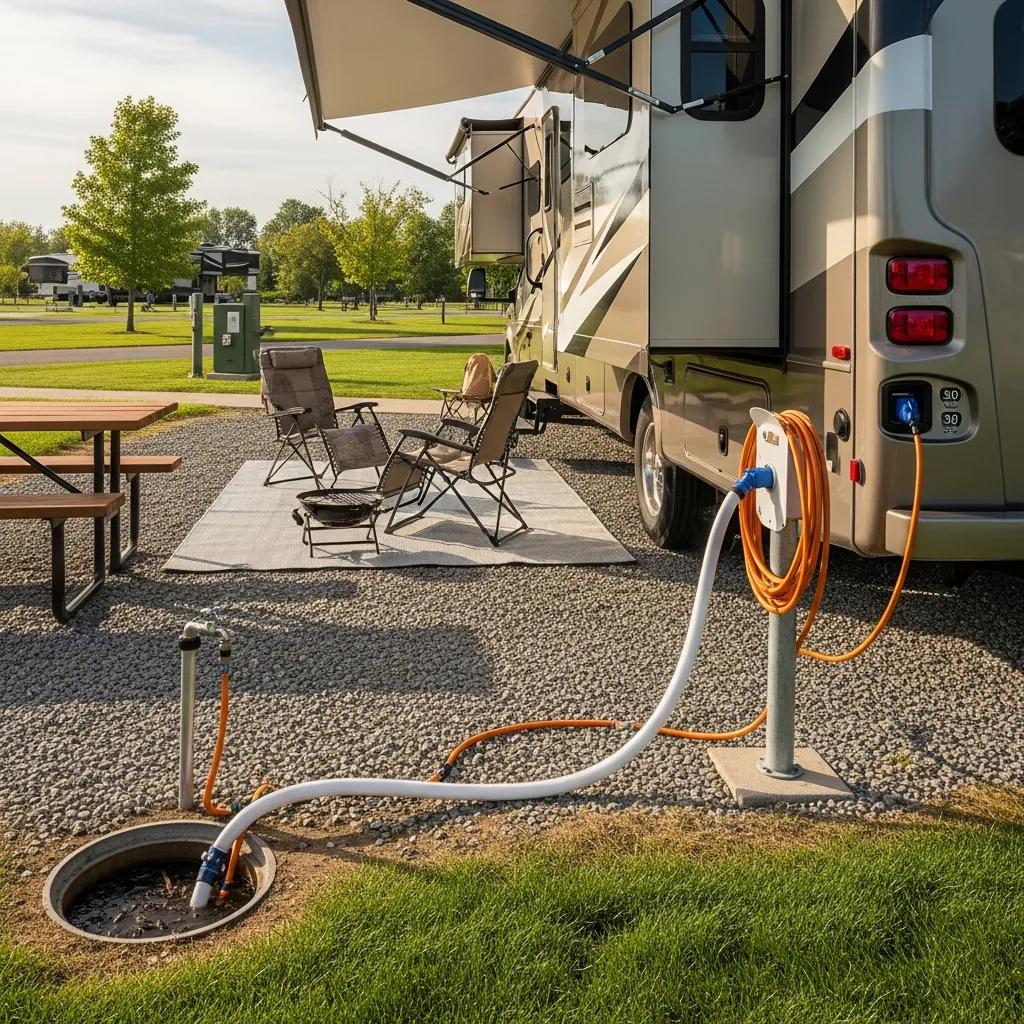
Seasonal sites come with a range of hookup setups and site finishes so you can match the site to your RV and how you live outdoors. Electrical service is commonly 30A or 50A — 30A covers basic rigs and small A/Cs; 50A supports multiple AC units, inverters, and heavier loads. Water hookups might be frost-free spigots or winterized connections; sewer access can be on-site sewer, a shared dump station, or a lagoon system — each affects convenience and odor management. Some parks meter utilities so you pay for what you use; others roll utilities into a flat fee for predictable monthly costs. Pad surfaces (gravel, concrete) matter for drainage and leveling.
Quick checklist to evaluate hookups before you commit:
- Electrical capacity: Confirm if your RV needs 30A or 50A and whether the service is dedicated.
- Water access: Look for frostless spigots and the campground’s winterization policy to avoid frozen pipes.
- Sewer option: Check whether you have an on-site sewer hookup or will rely on pump-outs.
Knowing these details helps you pick a site that supports your appliances and comfort over the whole season. The table below summarizes common hookup types and what they offer.
Common hookup types and their practical benefits.
How Does Winter Storage and Site Size Affect Seasonal Camping?
Winter storage and site dimensions are practical limits that decide whether a campground or specific site works for your long-term needs. Winter storage options can include on-site parking, off-site storage lots, or rules that require seasonal RVs to leave during winter — availability affects your annual cost and convenience. Site size and layout — pull-through vs. back-in, pad length, and outdoor space — determine if large motorhomes or rigs with tow vehicles fit comfortably and whether you can set up outdoor living areas. Measure your RV’s length and slide-outs before booking, and confirm winter access rules and storage fees so you can plan total seasonal expense and logistics.
Preparation checklist before you commit:
- Measure RV and tow length so it fits the site plus any outdoor living area.
- Confirm winter storage options and any related fees or movement requirements.
- Ask about site clearance for utilities so winterization and maintenance are manageable.
Planning for winter and site size ahead of time protects your comfort and avoids surprise moves or added costs when Michigan weather turns.
What Are the Benefits of Seasonal Camping in Michigan?
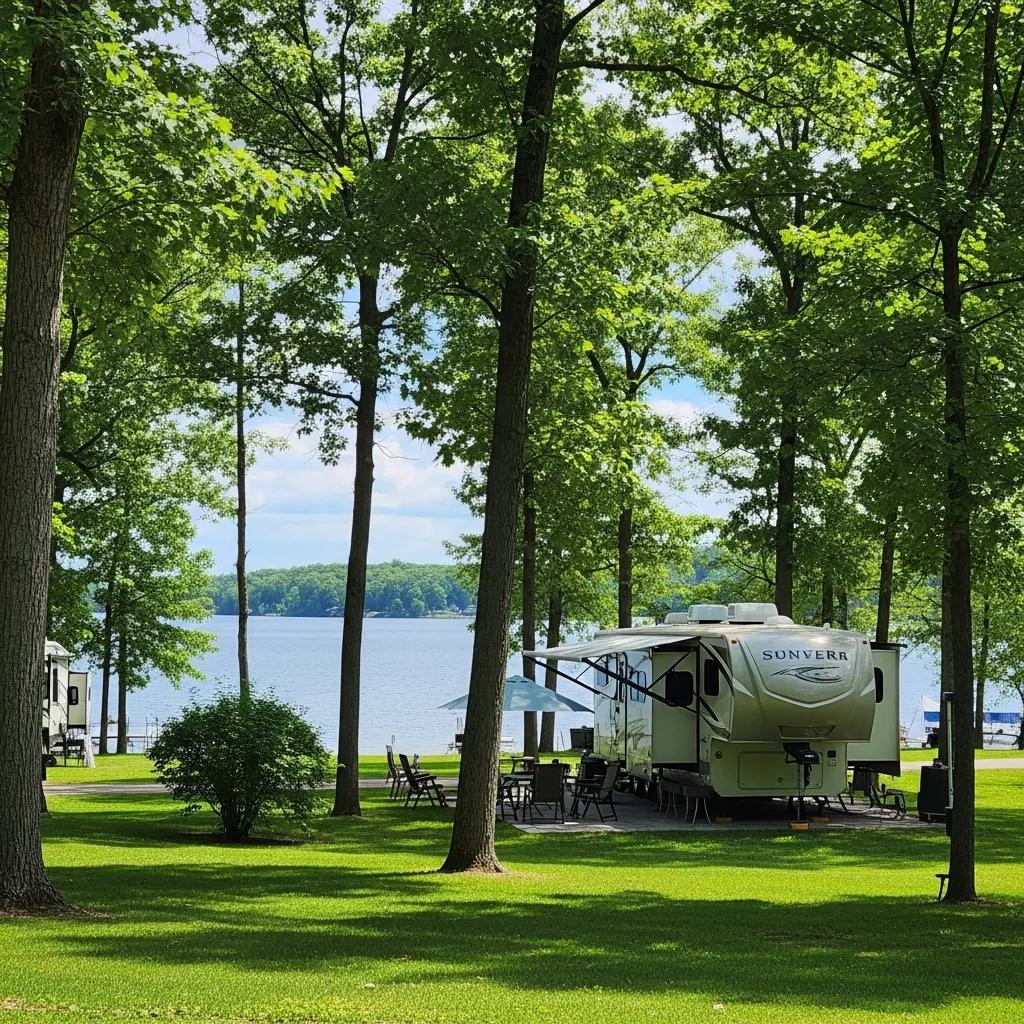
Seasonal camping in Michigan brings convenience, cost savings, and stronger community ties compared with frequent short stays. It appeals to families, retirees, and remote workers who want a steady outdoor lifestyle. A seasonal site cuts down on repeated setup and teardown, lets you personalize your outdoor space, and often lowers the per-night cost across a season. Community is a big plus: seasonal neighbors organize events, share activities, and offer day-to-day support that enriches long-term stays. Easy access to nearby parks and recurring day-trip opportunities also adds lifestyle value — especially near major recreation areas.
Practical benefits summarized:
- Convenience and continuity: Keep your RV ready and personalized without repeated tear-downs.
- Cost efficiency: Lower effective per-night cost versus many short bookings.
- Community and activities: Regular events and neighbor connections add social value.
- Access to recreation: Simple repeat visits to nearby parks, trails, and lakes.
For many families the predictability of a seasonal site means routine access to play areas; for retirees, it’s a steady rhythm of outdoor activity. Family-centered resorts that pair amenities with community programming show these benefits in action.
Some families select a nearby seasonal provider as a practical example — one that blends family amenities with a straightforward seasonal booking process tailored to long-term campers.
How Does Seasonal Camping Provide Convenience and Cost Savings?
Seasonal agreements cut per-use overhead by removing frequent reservation fees, repeated setup time, and extra travel days — which translates into real savings for campers who stay weeks or months. A single-season contract can lower total lodging costs by reducing nightly rates and avoiding booking fees tied to short stays, and it saves fuel and time by keeping your RV in one place. Convenience increases with predictable utilities, stored gear, and a stable social calendar — all of which create a true “home away from home.” Those financial and lifestyle efficiencies explain why Michigan long-term camping resorts attract a mix of families and seasonal residents.
Key savings and convenience highlights:
- Lower per-night cost compared with multiple short-stay reservations.
- Fewer travel days saving fuel and time through the season.
- Simplified logistics with on-site storage and permanent set-up.
Knowing these trade-offs helps you decide whether seasonal camping fits your household’s budget and lifestyle.
What Family-Friendly Activities and Community Experiences Are Available?

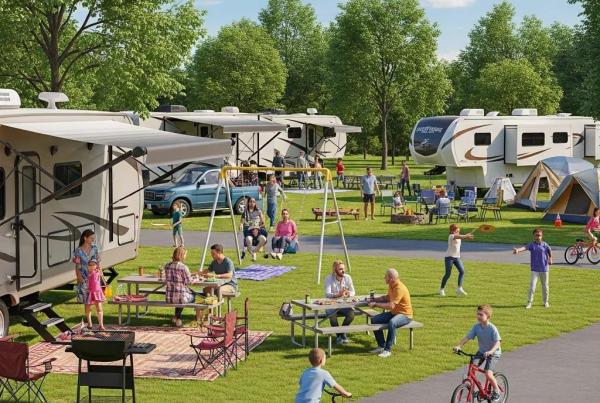
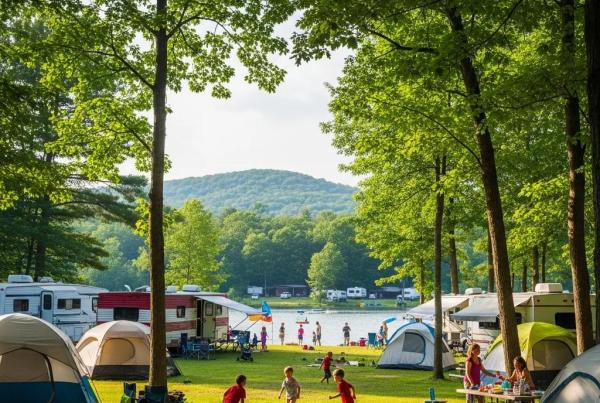
Family-focused seasonal campgrounds usually run a variety of onsite activities — playgrounds, swimming areas, weekend programs and group events — that keep long-term stays lively for every age. Community forms around scheduled events, neighbor-organized activities, and shared spaces like pavilions and lakes, making it easy for kids and adults to build friendships over a season. These amenities also support multi-generational visits where grandparents, parents, and kids coordinate around campground programming. If you want a family-centric atmosphere, look for planned events and safe play spaces when picking a site.
Typical family amenities and social features to consider:
- Playgrounds and swimming areas for daily family recreation.
- Pavilions and event schedules that support regular gatherings.
- Onsite camp stores and conveniences that cut down on errands and support longer stays.
After you assess activities, the next important area to review is cost structure — how base fees, utilities, and extras shape your seasonal budget.
What Are the Costs and Pricing Structures for Seasonal Camping in Michigan?
Seasonal pricing usually combines a base site fee with rules for utilities (included or metered) and optional add-ons like winter storage, guest passes, and site transfer charges. The base fee typically covers the site lease, basic maintenance, and amenity access; utilities may be part of that fee or billed separately by usage. Additional costs can include deposits, mandatory service charges, or seasonal fees that vary by property. Some campgrounds offer payment plans or installment options to spread cost over time. Comparing what each fee actually covers helps you avoid surprise charges after move-in.
Below is a simple table showing common site types, typical inclusions, and pricing notes to guide budgeting conversations.
Seasonal site pricing overview to clarify typical inclusions and extra charges.
What Are the Base Fees and Utility Billing Practices?
Base seasonal fees vary by property and usually cover the season-long site lease, basic maintenance, and amenity access. Fees might be a single seasonal charge or broken into monthly installments. Utility billing generally follows two models: flat-fee inclusion (utilities rolled into the rate for predictable budgeting) or metered billing (you pay for actual usage). Metered systems are fairer if you run heavy loads, but they add variability. Ask for sample invoices or historical averages to estimate true seasonal cost.
Questions to ask a campground manager before you sign:
- Are utilities metered or included in the base fee?
- Is there a refundable deposit and what could be deducted?
- Can seasonal fees be paid in installments or must they be paid upfront?
Getting clear answers on these points reduces surprises during the season.
Are There Additional Fees and Payment Plans to Consider?
Beyond base fees and utilities, watch for add-ons like guest passes, parking or storage fees, site transfer charges, late payment penalties, and HOA-like fees for shared amenities. Payment plans range from full-season prepayment to monthly installments with a deposit; some parks offer discounts for early payment or multi-season commitments. Negotiate by asking for a written fee schedule, checking whether guest limits trigger per-visit charges, and confirming refund rules for cancellations. Clear, written terms on add-ons and payment make budgeting easier and support a good long-term relationship with management.
Common extras and payment items to keep in mind:
- Guest and vehicle fees that can add up on busy weekends.
- Winterization/storage fees for off-season care of your RV.
- Payment options such as deposit amounts, installment plans, and refund terms.
Once you’ve reviewed costs, the next step is to understand the rules and policies that govern seasonal camping in Michigan and how they differ between state and private options.
What Regulations and Policies Govern Seasonal Camping in Michigan?
Regulations depend on whether you choose state-managed recreational areas or private campgrounds. State park seasonal rules often limit length of stay, require permits, and focus on conservation, while private parks use seasonal agreements with more flexible terms, additional services, and individualized billing. Michigan DNR properties may have stricter continuous-stay limits and fewer full hookups; private long-term RV parks usually offer seasonal contracts, enhanced amenities, and custom payment options. Knowing these differences helps you pick the right setting based on desired amenities, stay length, and community rules. It also prepares you to ask targeted questions about pets, RV condition requirements, and residency expectations.
How Do State Park Rules Compare to Private Campground Policies?
State parks generally prioritize access and conservation and therefore use structured permits and stricter occupancy limits. They tend to be more rustic and may lack full hookups or organized family programming. Private campgrounds focus on long-term customers, offering flexible seasonal leases, more services, and infrastructure, but they also enforce their own community standards — appearance rules or HOA-like policies, for example. Your choice depends on whether you want a nature-first experience or a service-rich seasonal community.
Key differences to weigh:
- Length-of-stay limits — State parks may cap continuous stays more strictly.
- Amenities — Private parks often provide more hookups and activities.
- Policy flexibility — Private operators can negotiate seasonal terms and payment plans.
These contrasts help you find the right balance between comfort and a more primitive, natural setting.
What Are the Stay Limits, Pet Policies, and RV Requirements?
Private seasonal campgrounds usually publish stay limits, pet rules, and RV condition standards in the seasonal agreement. Typical expectations include pet registration and limits on size/number, plus requirements that RVs remain in good repair and meet safety checks. Stay limits vary — some sites allow continuous presence from spring through fall, while others require removal during part of the year or limit consecutive days. RV rules may cover functional plumbing, up-to-date registration, and restrictions on permanent structures. Ask for the campground’s written policy on pets, RV age/condition standards, and stay limits before you sign.
Essential items to confirm with management:
- Pet registration and leash/size rules
- Acceptable RV condition and appearance standards
- Rules for extended stays and off-season presence
Getting these details in writing protects you from unexpected fines or relocation requirements.
What Amenities and Attractions Enhance Seasonal Camping at The Oaks Campground?
Many seasonal campers pick properties that blend onsite amenities with nearby recreation. The Oaks Campground in Munith, Michigan, is an example — it pairs family-focused facilities with access to outdoor resources that show how resort amenities improve seasonal stays.
Quick amenity overview showing family value for seasonal campers at The Oaks Campground.
A concise table to show which amenities support family seasonal stays at The Oaks Campground.
What Family Amenities Does The Oaks Campground Offer, Including the Planned Wibit Water Park?
The Oaks focuses on family-friendly amenities that make longer stays easy and fun: a swimming lake for regular recreation, multiple playgrounds for different ages, pavilions for group gatherings, and a camp store for essentials. The planned Wibit water park, slated for 2025, will add an inflatable aquatic play area that’s likely to boost family activity options and repeat seasonal bookings. Together these features help create a comfortable “home away from home” where convenience and programming add real value to a seasonal reservation.
Families and long-term campers enjoy easy access to activities that keep kids busy and adults connected, which helps build multi-season loyalty and a stable seasonal community.
How Does Proximity to Waterloo State Recreation Area and Local Attractions Add Value?
Being close to Waterloo State Recreation Area boosts a seasonal campsite’s value by giving you easy access to trails, lakes, fishing, and year-round outdoor programs that complement onsite amenities. Day trips are convenient — hiking or mountain biking on connected trails, quick fishing outings, and scenic drives are all within reach. That proximity makes it simple to mix mornings at the lake with afternoon campground activities. For campers who want an active, outdoor-centered seasonal routine, adjacency to a major recreation area often tips the scales because it multiplies options without adding travel time.
When choosing a property, closeness to regional attractions often encourages longer, more engaged seasonal stays.
How Can You Reserve and Prepare for Your Seasonal Site at The Oaks Campground?
Reserving a seasonal site usually follows a familiar path: submit an application, pay a deposit, sign a seasonal agreement, and schedule move-in. Preparing in advance helps you pick the best site and makes onboarding smoother. Applications typically ask for RV specs, contact details, and timing preferences; deposits hold the site and are applied to the seasonal fee when confirmed. Seasonal agreements list season dates, utility responsibilities, pet rules, and site maintenance expectations — review them carefully. Preparing your RV for move-in by measuring length, checking hookup compatibility, and planning for winterization prevents last-minute problems.
Step-by-step reservation path:
- Apply with RV details and preferred site type to begin selection.
- Submit a deposit to hold the site while paperwork is completed.
- Sign the seasonal agreement outlining dates, fees, and policies.
- Schedule move-in and prepare your RV with measurements and supplies.
If you’re ready to pursue a seasonal site at The Oaks Campground, check their seasonal reservation page for details and availability. Applying early in the off-season improves your chances of securing preferred sites and amenities.
What Is the Application and Deposit Process for Seasonal Sites?
The usual application asks for RV specs, desired site features, and timing preferences. The campground reviews availability and may request a deposit to hold a site while paperwork is finalized. Deposit amounts differ by property and are typically applied to the seasonal fee; refund rules depend on the agreement’s cancellation terms. Approval timelines can be days or weeks depending on demand, so submitting early — often in fall or winter for the next season — helps you secure a preferred spot. Having vehicle registration, proof of insurance, and emergency contacts ready speeds up approval.
Key application tips:
- Provide exact RV measurements to match site length and pad needs.
- Request the written fee schedule and deposit policy before paying anything.
- Submit early to improve your chance of prime site selection.
Following these steps keeps the process transparent and helps avoid delays before move-in.
What Are the Benefits of Early Booking and Seasonal Agreements?
Booking early gives you better site choice, possible early-bird pricing, and more time to sort logistics like winter storage and utility setup. Seasonal agreements lock in your dates and site, creating a predictable home base and letting you join community programming with confidence. You can negotiate elements like payment schedules, permitted site modifications, and guest policies — clarifying these early prevents disputes later. For most seasonal campers, engaging with the reservation process in fall or winter is the best way to secure the right site and ensure any planned amenities, like the Wibit water park, are available when you arrive.
Early-commitment advantages:
- Priority site selection and often better placement.
- Budget predictability with locked-in seasonal fees.
- Community integration through earlier access to events and neighbors.
Preparing early and reviewing your agreement carefully puts you on track for a smoother, more enjoyable seasonal camping experience.
Frequently Asked Questions
What should I consider when choosing a seasonal RV site in Michigan?
Look at location, amenities, and site size first. Choose a site near the recreation you prefer (trails, lakes, or community activities), and check hookups, on-site facilities, and event programming. Make sure the site fits your RV and any outdoor setup you want. Finally, read the campground’s rules on pets, guests, and seasonal agreements so there are no surprises.
How can I prepare my RV for seasonal camping?
Start by ensuring your RV is in good working order — check plumbing, electrical systems, and tires. Measure your RV’s length and width to confirm site fit. If you’ll leave the RV onsite over winter, plan for proper winterization. Stock supplies, organize items for easy access, and review the campground’s requirements so you arrive ready and compliant.
What types of seasonal camping events can I expect at campgrounds?
Many seasonal campgrounds offer potlucks, holiday gatherings, themed weekends, and outdoor movies. You’ll also see recreational events like fishing tournaments, guided hikes, and kids’ programs. These events build community and give families regular ways to connect. Check the campground’s event calendar to see what’s scheduled during your stay.
Are there any environmental considerations for seasonal camping?
Yes. Practice Leave No Trace habits: minimize campfire impact, pack out trash, and respect wildlife. Look for campgrounds with recycling and water-conservation policies, and use energy-efficient appliances when possible. Small actions like conserving water and following local rules help keep the campground healthy for everyone.
What are the typical seasonal camping durations in Michigan?
Seasonal stays usually run spring through fall — commonly April to October — though exact dates vary by campground and local climate. Some parks offer extended agreements or year-round options, while others set specific limits on continuous occupancy. Always check the campground’s posted season dates and stay rules.
How do I handle maintenance and repairs during my seasonal stay?
Routine inspection and prompt repair are key. Check for leaks, tire wear, and system issues early and fix them before they grow. Some campgrounds offer minor maintenance help; for larger repairs you’ll need local RV service providers. Keep a basic toolkit for quick fixes, and maintain a good relationship with management to coordinate service needs.
What are the benefits of joining a seasonal camping community?
Joining a seasonal community brings social connection, shared experiences, and a sense of belonging. Regular events and neighbor interactions create friendships and support networks that enhance your time at the campground. Communities also offer practical tips on local attractions, maintenance, and seasonal living — making the lifestyle more enjoyable and sustainable.
Conclusion
Seasonal camping in Michigan gives families, retirees, and remote workers a reliable way to enjoy outdoor living with cost savings and community perks. Pick the right site and you’ll benefit from less setup time, a personalized outdoor space, and easy access to local recreation. Understanding hookups, costs, rules, and the reservation process makes planning straightforward and helps you get the most from your season. Start your planning early, review agreements carefully, and choose the campground that fits how you want to live outdoors this season.