How to Choose the Right Seasonal Campground: A Practical Seasonal RV Camping Guide
Seasonal RV camping means leasing a campsite for an extended block of time — usually a full season or several continuous months — so you can live outdoors with the convenience of full hookups and shared amenities. This guide breaks down how seasonal stays work, which factors matter most when choosing a site, and how to budget and prepare for long-term camping in Michigan. Many families, retirees, and remote workers prefer seasonal sites because they cut down on packing and towing, guarantee utility access, and create a social community that makes camping a lifestyle. The toughest choice for most people is balancing cost, location, amenities, and community fit. Below you’ll find clear definitions, six decision priorities, Michigan-specific cost comparison tips, advice on community and activities, a close look at The Oaks Campground by GatherGrounds as a local example, and hands-on setup and maintenance checklists to help you decide with confidence.
What Is Seasonal Camping and Why Choose It?
Seasonal camping means you occupy a campsite under a lease or seasonal agreement for multiple months — commonly spring through fall — which gives you steady access to the same site and cuts down on daily setup. Instead of paying by the night, you plan and pay for the season, which often lowers the effective nightly cost and simplifies logistics. The main upside is convenience: no constant packing or towing, plus regular programming and on-site amenities that make everyday life easier. Below we outline how seasonal stays differ from nightly visits and list the main advantages to help you decide if seasonal life fits your needs.
What Defines Seasonal RV Camping and Long-Term Stays?
Seasonal RV camping typically involves a lease or seasonal contract that runs for several months, often with set start and end dates and sometimes renewed each year. These agreements usually provide a reserved pad, predictable hookup access, and community rules that aren’t the same as nightly transient policies — legally they behave more like short leases than single-night bookings. Seasonal windows vary by region (many Midwest parks operate spring through fall), so confirm the exact dates before you commit. Knowing the contract terms and site rules upfront prevents surprises about maintenance responsibilities and guest policies.
What Are the Key Benefits of Seasonal Camping?
Seasonal camping gives you a familiar site and fewer setup hassles, which saves time and feels more like a home base. You can often reduce lodging costs when you spread a seasonal fee over many nights, build friendships through recurring events, and keep gear like boats or golf carts on-site without constant loading and unloading. Family-focused Michigan parks combine safe play areas and trails with seasonal programming for kids and adults. If you’re after routine, neighborly connections, and less travel burden, seasonal camping may be a great fit.
Which Factors Should You Consider When Choosing a Seasonal Campground?

Start by weighing location, site infrastructure, campground rules, amenities, and community strength — these shape daily comfort and long-term satisfaction. Location affects drive time to home, medical care, and stores; infrastructure defines how well your rig fits and how much maintenance you’ll handle; management and reputation steer whether your seasonal experience stays positive year after year.
- Key decision factors to evaluate before committing to a seasonal site:
- Location and travel time to home and services — important for convenience and emergencies.
- Site infrastructure — full hookups, dependable utilities, and pad size for your RV and outdoor setup.
- On-site amenities — bathhouses, laundry, trails, and camp stores that make long stays easier.
- Community programming and how often events run — to judge social fit.
- Rules, guest policies, and seasonal stability — to ensure predictable use.
- Reviews and management responsiveness — early signals of long-term satisfaction.
Visit in person when you can, and rank the factors that most affect your routine and budget. The next section compares campground attributes so you can weigh location tradeoffs more clearly.
Before the table, here’s a simple comparison of common campground features to make evaluations easier.
Use this comparison to match campground features with your priorities. Next, we’ll look at how location choices change the day-to-day experience.
How Does Location Impact Your Seasonal Camping Experience?
Location affects both convenience and the type of outdoor life you’ll have. Sites near metro areas make resupply and visits easy; rural parks give you more peace and nature. Balance access to services with your desire for quiet and recreation. Michigan weather also matters: spring mud, summer heat, and fall storms all change how you use and maintain your site. Think about errands, vehicle wear, fuel costs, and how often you’ll want to run into town when choosing location.
What Essential Amenities Should a Seasonal Campsite Offer?
Look for full hookups (water, electric, sewer), dependable bathhouses and laundry, secure storage for gear, and on-site services like a camp store or maintenance. Recreational features — trails, fishing areas, a swimming lake, and playgrounds — keep families and hobbyists engaged. Extras like golf cart-friendly paths and covered pavilions make day-to-day life easier and more social. Prioritize amenities that cut errands, reduce maintenance time, and keep you entertained during a long stay.
Before the summary, use this checklist when touring campgrounds:
- Full hookups and steady utility management for continuous living.
- Clean, accessible bathhouses and laundry to limit off-site trips.
- Secure storage and on-site maintenance support to protect gear.
- On-site recreation (trails, playgrounds, water features) for everyday enjoyment.
Bring this list on tours — next we’ll cover how to compare the money side of seasonal vs. short-term stays.
How to Evaluate Seasonal Camping Costs and Payment Plans in Michigan?
To evaluate cost, break a seasonal fee into its components — site rent, utilities (included or metered), taxes, deposits, and optional service fees — then convert the total to an effective nightly rate and compare that to transient nightly costs. Include savings from fewer tow trips and less setup time to see the full picture. In Michigan, seasonal pricing varies by amenities and distance to cities, so compare similar offerings side-by-side.
The table below shows common cost components and what to ask about when you budget; confirm exact rates with campground management.
Use this table to build a realistic seasonal budget. Below we’ll walk through how to compare seasonal pricing to aggregated nightly stays.
What Are Typical Seasonal Site Rates and Included Utilities?
Seasonal rates usually cover a reserved pad plus some utilities and amenity access, but what’s included varies. Some parks include water and sewer while metering electricity; others bundle everything. Deposits and payment plans differ by management — common practice is a deposit and staged payments before the season starts. Always ask for a clear, itemized list of inclusions and extras to avoid surprises and to calculate an accurate nightly equivalent.
How to Compare Seasonal Camping Costs Versus Short-Term Stays?
To compare, total your seasonal fee plus expected extras, then divide by the number of nights you expect to use the site to get an effective nightly rate. Compare that to current nightly transient rates for the same dates. Don’t forget hidden costs like fuel for towing, wear on your RV, setup time, and paid services such as storage or winterization. If the seasonal effective rate plus convenience benefits is better than repeated nightly stays, seasonal is likely the smarter choice.
How Does Community and Activities Enhance Seasonal Campground Life?
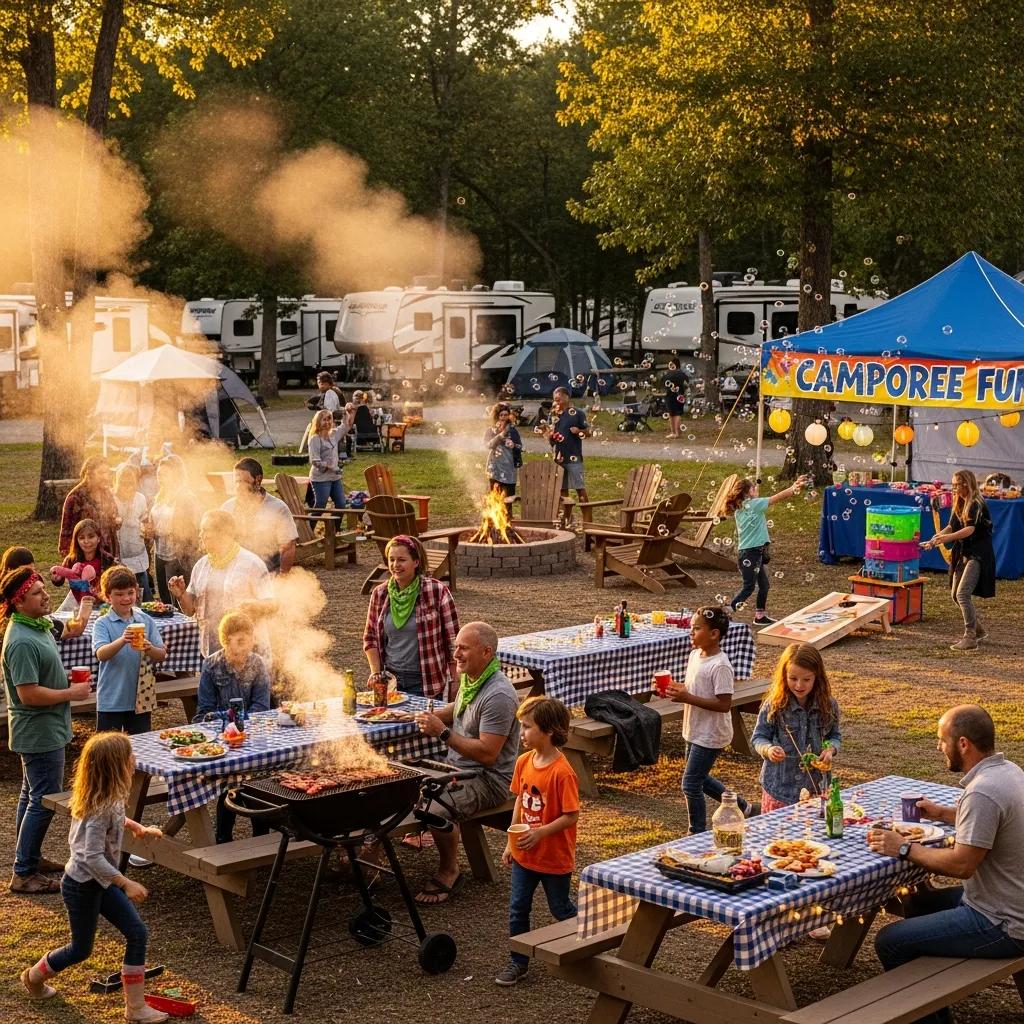
A lively community and steady activities turn seasonal parks into neighborhoods, not just parking lots. Regular events, weekend programming, and interest groups build routines and reduce loneliness for long-term campers. Kid-friendly programs and family weekends make seasonal stays especially appealing. Community strength shows up in a calendar of recurring events and volunteer-led activities that keep things running. The sections below list common event types and how to check community health before you sign a seasonal agreement.
What Types of Social Events and Family Activities Are Common?
Seasonal campgrounds often host weekend barbecues, holiday celebrations, kids’ craft hours, beginner fishing clinics, and friendly contests that give neighbors reasons to meet. These activities create steady rhythms that encourage repeat attendance and friendly bonds, and they can lead to shared childcare or ride-sharing for errands. Families benefit from supervised kids’ programs and playgrounds that let parents relax while children play. When you visit, check how often events are held and whether they match your family’s interests.
How to Find a Seasonal Campground with a Strong Community?
Look for community strength in recent reviews mentioning events, check the campground’s social channels for activity photos, and, if possible, visit during a weekend event to watch interactions firsthand. Ask management about recurring groups and volunteer roles — active volunteers usually indicate a resilient community. Talking with current seasonal campers is one of the best ways to confirm whether events are well attended and genuinely community-driven. These steps help you find a social fit before you commit.
In Michigan, a hands-on example of a family-focused park with strong weekend programming is The Oaks Campground by GatherGrounds, which highlights weekend events and family-friendly amenities as part of its seasonal offering. The Oaks advertises hassle-free long-term sites paired with organized activities that support seasonal living.
Why Is The Oaks Campground an Ideal Choice for Seasonal RV Camping in Michigan?
The Oaks Campground by GatherGrounds showcases many of the features seasonal campers look for: family-focused programming, long-term RV options, and amenities that support everyday life. Its location offers reasonable drives to regional centers like Detroit, Ann Arbor, and Jackson, making weekend visits and errands straightforward while keeping you in a recreational setting. The Oaks lists amenities such as a fishing pond, extensive golf cart riding trails, playgrounds, pavilions, a camp store, and a swimming lake — and it plans to add a Wibit water park in 2025. Those offerings appeal to families, active adults, and hobbyists who want on-site recreation and convenience.
What Unique Amenities and Features Does The Oaks Offer?
The Oaks ties amenities to real benefits for seasonal campers: a fishing pond for relaxed family outings; 120 acres of golf cart trails for safe, fun local travel; playgrounds and pavilions for group gatherings and events; and a camp store that trims off-site errands. The planned Wibit water park (2025) adds family entertainment value and helps make the resort more attractive to long-term stays. These features make The Oaks a practical option for campers who want activity and ease on-site.
This table helps you picture everyday life at The Oaks and the value those amenities add to long-term stays.
How Does The Oaks Campground Support Hassle-Free Long-Term Stays?
The Oaks focuses on practical supports that ease long-term camping: reserved seasonal sites reduce packing and towing, on-site services like a camp store and maintenance make errands simpler, and scheduled weekend programming offers social options without extra planning on your part. Those operational benefits free up time for recreation and community. For reservations or to confirm seasonal policies, contact The Oaks Campground by GatherGrounds through their official reservation channels.
What Are Practical Tips for Setting Up and Maintaining Your Seasonal RV Site?
Good seasonal living starts with planning and routine maintenance that keep your site comfortable and lower repair risk. That means spring start-up checks, summer upkeep, fall preparations, and winterization or storage planning if needed. Focus maintenance on utilities, seals, pest control, and outdoor living spaces, and use portable decoration ideas to make your space feel like home while staying within campground rules. Below is a maintenance table and step-by-step seasonal prep and décor ideas to keep your site functional and welcoming.
The following maintenance checklist shows common tasks, how often to do them, and notes to help you build a seasonal routine.
This table gives you an actionable schedule and highlights tasks that prevent common seasonal problems. Below are season-specific preparation steps.
How to Prepare Your Seasonal RV Site for Different Seasons?
Spring start-up: inspect hookups, flush water lines, test appliances, and address early-season pests. Summer upkeep: monitor tire pressures, test smoke and CO detectors, and maintain shade and landscaping to stay comfortable. Fall prep: drain lines if you’ll winterize, remove perishables, and check weatherproofing to minimize freeze damage. Winterization for stored rigs should follow manufacturer guidance and park rules; if you stay through winter, confirm utility availability and follow a cold-weather protocol to protect plumbing and tanks.
What Are Recommended Maintenance and Decoration Ideas?
Monthly checks should include water and sewer inspections, electrical hookups testing, seal inspections, and quick outdoor cleanups to deter pests and protect finishes. For decoration, use portable, campground-friendly items — outdoor rugs, potted plants, string lights, and removable storage — so your site feels welcoming without permanent changes. Always follow campground rules and be considerate of neighbors. These small steps protect your RV and make seasonal living more pleasant.
Essential monthly maintenance:
- Inspect water and sewer connections for leaks and clogs.
- Test electrical connections and monitor shore power behavior.
- Check seals, awnings, and visible exterior components for wear.
Combined with the seasonal checklists above, these routines keep your site safe, functional, and inviting for long-term use.
This guide has given you clear decision criteria, budgeting approaches, community evaluation tips, a Michigan example at The Oaks Campground by GatherGrounds, and practical setup and maintenance advice so you can choose the seasonal campground that best fits your life.
Frequently Asked Questions
What should I look for in campground reviews when choosing a seasonal site?
Scan reviews for notes on cleanliness, how management responds to issues, and the condition of amenities. Look for comments about the campground’s social life, event frequency, safety, noise, and long-term camper experiences. If multiple reviewers report the same concern, treat it as a potential red flag.
How can I prepare my RV for a seasonal stay?
Start with a full inspection: tires, fluids, batteries, and appliances. Confirm plumbing and electrical systems work and organize storage for easy access. Pack seasonal supplies and add portable comforts for your outdoor area that follow park rules. Regular checks will keep your rig ready all season.
What are the typical rules and regulations at seasonal campgrounds?
Seasonal parks usually have rules about noise, pets, site upkeep, and outdoor decorations. They may also limit guest stays and set expectations for shared facilities like pools and laundry. Read the campground’s policy before you commit to make sure it fits your lifestyle.
How can I engage with the community at my seasonal campground?
Join events, volunteer, and attend meetups like potlucks and game nights to meet neighbors. Sign up for interest groups — fishing, walking, or gardening — to connect with people who share your hobbies. Volunteering builds relationships and helps shape the community.
What are the benefits of seasonal camping for families?
Seasonal camping gives families a stable place to reconnect, with kids making friends and joining organized activities. A semi-permanent site reduces packing and travel stress, so families spend more time enjoying nature and amenities like playgrounds and swimming areas.
What should I consider when planning my budget for seasonal camping?
Beyond the site fee, include utilities, routine maintenance, optional services (storage, winterization), and travel costs. Budget for supplies, activities, and an emergency fund for unexpected repairs. A complete budget helps keep your seasonal stay enjoyable and affordable.
Conclusion
Picking the right seasonal campground can transform how you live and play outdoors. By weighing location, amenities, rules, and community, you’ll find a seasonal spot that fits your routines and budget. Ready to take the next step? Explore recommended campgrounds, compare rates, and schedule a visit — your ideal seasonal getaway is waiting.