
Seasonal Camping in Michigan: Why Families Choose It — Benefits, Costs & What to Expect
Seasonal camping in Michigan gives families and long-term RVers a dependable home base through the warmer months — combining comfort, easy weekends, and a built-in community. This guide breaks down what seasonal camping means in Michigan, how seasonal RV sites operate, the real advantages for families and year-long visitors, and how to compare parks near major cities. You’ll find straightforward advice on costs and booking, a tour of family-friendly amenities, and practical tips for making a seasonal site feel like your own. We also point to examples of how local resorts translate those benefits into programs and facilities, plus clear steps to reserve a site. Along the way, we touch on regional drive times and why properties near Detroit and Ann Arbor are so popular, keeping recommendations practical and focused on planning a secure seasonal stay.
What Are Seasonal Camping Sites and How Do They Work in Michigan?
In Michigan, seasonal camping means reserving a specific campsite or RV pad for a multi-week or multi-month stretch — typically the spring-to-fall season when weather is camping-friendly. Think of it as a long-term outdoor lease: you keep an assigned space, usually with utility hookups and sometimes on-site storage, so visits feel low-effort and ready-made. Seasonal agreements follow the campground’s calendar and include renewal rules plus policies about guests, site changes, and off-season storage. Knowing those policies up front is essential. The seasonal model cuts down on repeated setup and creates a neighborhood-style environment that changes how you plan maintenance, deliveries, and personal touches.
Definition and overview of seasonal RV camping
Seasonal RV camping means you reserve one site for the full season — your RV stays put for weeks or months instead of rotating nightly. These sites often include electric, water, and sewer hookups and a designated pad, so you can treat the space like a second home. Campgrounds handle seasonal contracts with deposits and payment timelines and usually permit limited on-site storage for gear, which makes weekend trips easier. Michigan-specific details — like shorter shoulder seasons and the need for spring opening and fall winterizing — affect move-in and move-out timing.
How seasonal camping differs from short-term stays
Seasonal stays differ from nightly or weekly camping in several predictable ways: you skip frequent pack-up and teardown, you often pay less per day over a season, and you build ongoing relationships with neighbors and staff. Short-term trips focus on flexibility and travel; seasonal camping prioritizes stability and personalization — landscaping, outdoor living areas, and reliable access to amenities. The trade-offs are less mobility and a deeper local commitment, but more time for community events and less wear on your tow vehicle. Knowing these differences helps you decide if seasonal life matches your family’s goals.
What Are the Top Benefits of Seasonal Camping in Michigan?
Seasonal camping blends practical wins with lifestyle perks, which is why families and repeat visitors love it. At its best, seasonal camping slashes repetitive logistics while delivering steady access to park amenities and programs — creating a comfortable, extended-stay experience. Below are the key benefit areas with examples that show the typical value seasonal campers enjoy.
- Convenience and time savings: No constant setup or teardown, on-site storage options, and the freedom to leave personal items at your site.
- Cost-effectiveness: Lower effective per-night cost across a season compared with repeated short stays, plus reduced travel expenses.
- Community and events: Regular programming and neighbor networks create social opportunities and shared activities.
- Personalization and comfort: Seasonal sites let you build outdoor living spaces that feel like a second home.
- Consistent access to amenities: Parks with ponds, trails, playgrounds, and planned attractions keep families busy all season.
Below is a simple comparison that ties each benefit to practical examples and the everyday impact families typically notice.
Different categories of seasonal benefits are shown with concrete examples and the outcomes campers typically experience.
This quick comparison shows how benefits translate to everyday gains and helps you weigh what matters most for your family. If you’d like to see these benefits in action nearby, The Oaks Campground in Munith, Michigan, highlights family-oriented amenities and a seasonal site model — a good starting point to compare offerings and reservation options.
How seasonal camping saves you time and simplifies weekends
Seasonal camping reduces repetitive arrival tasks because your site stays set up the whole season. Campers use on-site storage or leave non-perishables in place, cutting weekly setup time and enabling more spontaneous weekend trips. That ready-to-go setup also makes shorter visits feel complete since the infrastructure is already in place. Knowing these efficiencies helps you estimate real time savings and decide whether a seasonal commitment fits your household rhythm.
How seasonal camping can lower your overall costs
Seasonal camping delivers savings through economies of scale: one seasonal fee can equal a much lower per-night rate if you use the site often, and fewer trips mean less fuel and vehicle wear. Predictable seasonal billing simplifies budgeting compared with fluctuating nightly rates and holiday surcharges. Extras like local resident discounts, reduced maintenance logistics, and the ability to share costs with visiting family add to the financial upside — especially for families planning frequent weekend trips from spring through fall.
Which Family-Friendly Amenities Enhance Seasonal Camping at The Oaks Campground?
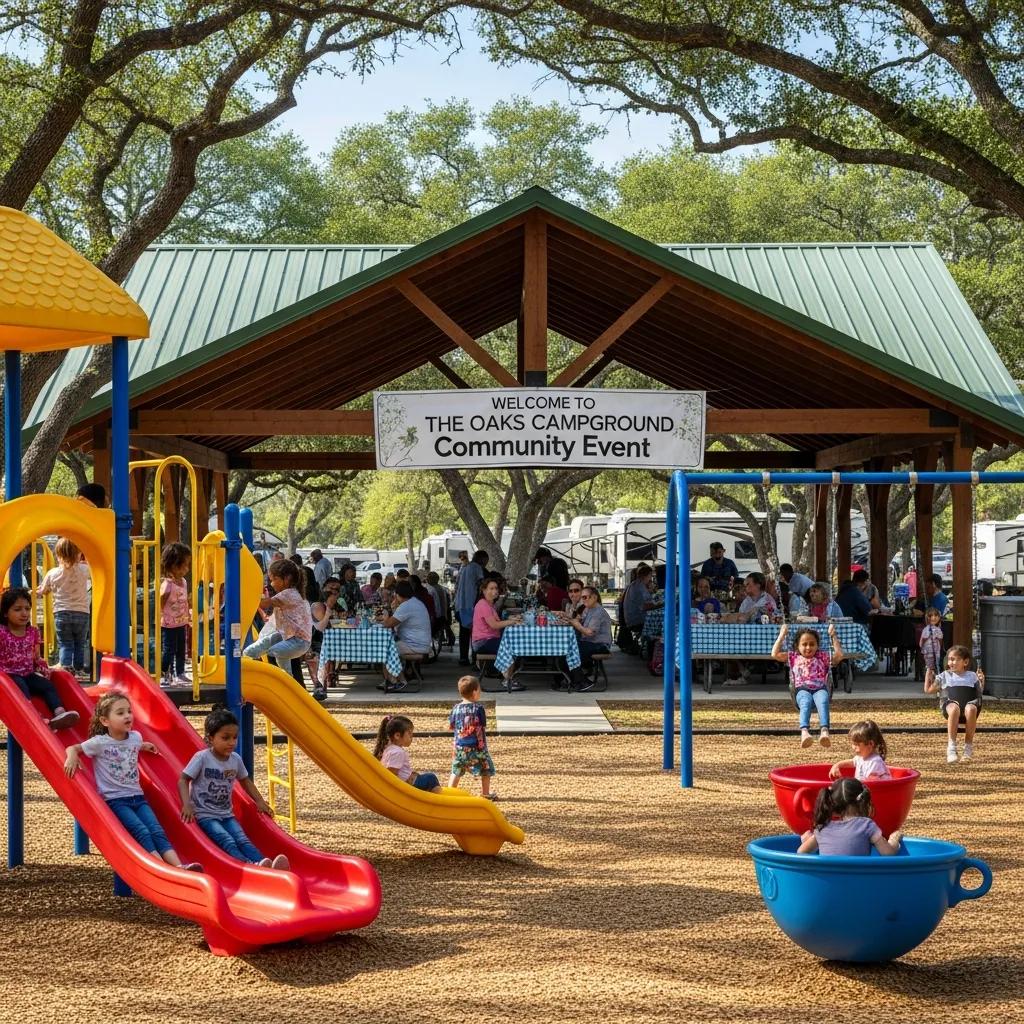
Family-focused amenities turn a seasonal site into an activity-rich home base that keeps everyone entertained across the season.
Amenity highlights that consistently improve seasonal living include safe playgrounds, water features for kids, wide riding trails, pavilions for group meals, and weekend events that build community. These options cut down on off-property travel and create daily routines suited to seasonal life. The table below links specific amenities to the practical benefits they bring to seasonal campers.
This layout shows how amenities shape seasonal living and why families prioritize certain features when choosing a park. At The Oaks Campground, on-site offerings include a large fishing pond, roughly 120 acres of golf cart riding trails, multiple playgrounds and pavilions, recurring weekend events, and a planned Wibit water park slated for 2027 — all designed to support long-term stays and family routines.
Sample images and captions help families preview a site before booking:
Next, we explain why proximity to major Michigan cities often determines whether a seasonal site fits your family’s routine.
What recreational activities keep families busy?
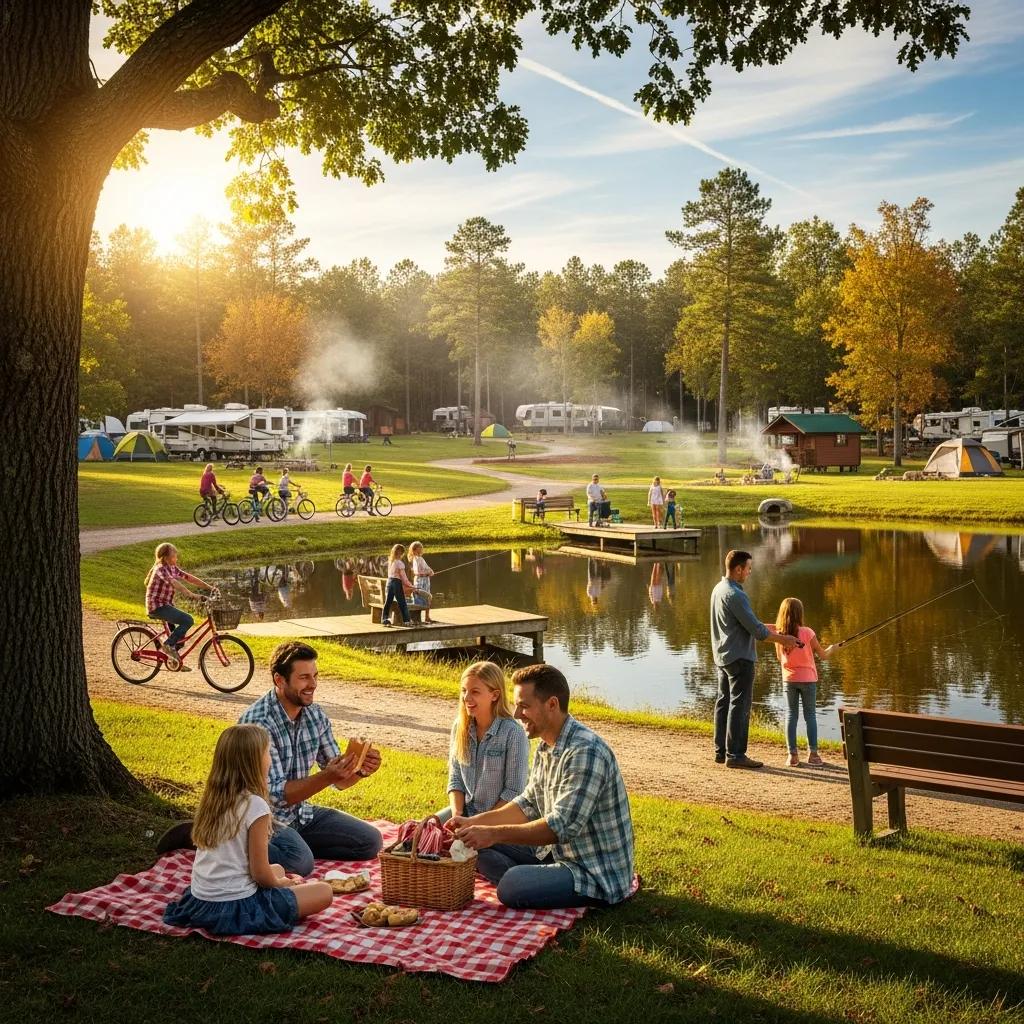
Seasonal campgrounds focus on repeatable, family-friendly activities that play out all season: organized kids’ fishing hours, nature trail rides, playground programming, and weekend community events. Trails and water access add low-key options like birding or family walks, while pavilions host gatherings that bring seasonal residents together. These predictable activities reduce the need for off-site plans and help you choose a site that matches your kids’ ages and interests.
How the planned Wibit water park will boost family fun
A permanent inflatable water park such as a Wibit adds a supervised, eye-catching attraction that draws kids and parents for longer visits, special events, and themed weekends. It expands the park’s programming opportunities and can help retain families who want on-site water fun. Since the Wibit is planned for 2027, it’s a future-facing feature to weigh when considering a long-term seasonal spot.
Where Are the Best Seasonal Campgrounds Located Near Major Michigan Cities?
Location usually starts the search: shorter drives make frequent visits realistic, while longer drives lend themselves to full-season occupancy. Campgrounds within an hour or two of metro areas like Detroit and Ann Arbor often attract weekend seasonal campers who can get away after work or school. Key factors include drive time, access to regional attractions, and whether the park supports commuter-style seasonal visits (short, frequent stays) versus full-season residency. Use the guidance below to match geographic convenience with your seasonal goals.
- Proximity for weekend use: Sites within 60–90 minutes of a metro area work well for frequent short visits.
- Proximity for extended use: Sites 90–180 minutes away suit families planning multi-week or near-full-season stays.
- Accessibility factors: Highway access, fuel stops, and nearby services affect travel ease and reliability.
Balance commute convenience with the outdoor setting you want; the next section highlights a nearby example to illustrate those trade-offs.
Why consider The Oaks Campground for families near Detroit and Ann Arbor?
The Oaks Campground sits within a practical drive from Detroit and Ann Arbor, giving families a good mix of city access and rural amenities. Shorter drive times make repeated weekend visits doable for working households, while on-site family features support longer stays when schedules allow. Seasonal residents commuting from nearby cities benefit from predictable programming and amenities that keep kids entertained without long drives. The Oaks is a solid example of how location and family-focused features pair for seasonal living.
What other types of seasonal campgrounds exist in Michigan?
Michigan has a wide range of seasonal parks — from lakefront properties to family resorts and wooded RV communities — each focusing on different strengths like water access, trail systems, or event calendars. When comparing parks, prioritize the amenity mix, neighborhood culture, distance from home, and the campground’s seasonal policies and maintenance approach. Neutral comparisons help you choose based on lifestyle fit rather than marketing claims.
- Lakefront parks: Prioritize water access and swimming opportunities.
- Family resorts: Focus on programming, playgrounds, and community events.
- Trail-focused parks: Offer extensive riding and walking networks for recreation.
Use these categories to identify the seasonal setting that best supports your family’s routines, then move on to cost and reservation details.
How Much Does Seasonal Camping Cost in Michigan and What Are the Booking Steps?
Seasonal costs vary by site type, included utilities, park location, and extra services like storage or reserved parking. Parks set seasonal fees with deposits, payment schedules, and contract terms that define season length and site rules — so ask for the park’s current rate sheet. The quick table below outlines common seasonal site types, typical amenities, and how parks usually present seasonal pricing. Treat these as examples to discuss directly with any campground before committing.
Because pricing is site-specific, prospective campers should request a current rate sheet and the seasonal contract when evaluating options.
If you’re looking at The Oaks Campground, the property lists seasonal RV sites and asks that you contact the park for up-to-date rates and available site types so you can compare features and contract details directly.
Typical seasonal RV site rates at The Oaks Campground
The Oaks describes seasonal rates as depending on site size and hookup level, with categories ranging from standard pads to full-hookup seasonal locations. Rather than publish a fixed figure here, treat listed ranges as examples that vary by site placement, included utilities, and extra services like on-site storage or expedited move-in. The Oaks positions its pricing around available amenities — fishing pond access, trails, playgrounds, and event programming — which influences site tiers and seasonal fees. For exact rates and current availability, contact the reservation team or check the park’s seasonal information.
How to reserve a seasonal campsite at The Oaks Campground
- Inquiry and availability check: Call or email the campground to ask about seasonal site options, site features, and season dates.
- Application and deposit: Complete any required seasonal application and submit the deposit to hold your chosen site while you review the contract.
- Contract and payment schedule: Read and sign the seasonal agreement that outlines rules, payment dates, and move-in/move-out windows.
- Move-in coordination and site setup: Schedule your arrival, confirm hookups and site condition, and plan any permitted site improvements or storage arrangements.
What Community and Lifestyle Benefits Do Seasonal Campers Enjoy in Michigan?
Beyond convenience and savings, seasonal camping builds a lifestyle of regular social connection, steady outdoor living routines, and the chance to personalize a site for comfort and identity. Seasonal parks organize events, volunteer opportunities, and informal neighbor networks that create social cohesion and shared activities. These structures help newcomers plug in and long-term residents find purpose. Below are common community benefits that draw people to seasonal life.
- Regular programming: Weekly or monthly events give you a dependable social calendar.
- Neighbor networks: Informal support for maintenance, pet care, and local tips.
- Shared responsibilities: Volunteer projects keep common areas well maintained and build camaraderie.
- Event-driven traditions: Holiday weekends and themed gatherings create memorable traditions.
Understanding these social dynamics helps new seasonal campers prepare to both contribute and benefit from community participation, which boosts long-term satisfaction with seasonal living.
How seasonal camping builds community
Seasonal camping brings people together through repeated interactions, shared spaces, and organized activities that encourage neighbors to connect over interests like fishing, trail riding, or event planning. Parks with regular weekend programming and maintained pavilions make it easy to meet people and form recurring groups. Over time, campers take on informal roles — organizing potlucks, leading nature walks, or running kids’ activities — that deepen bonds and create belonging. New seasonal campers can integrate quickly by volunteering for small tasks, attending regular events, and introducing themselves to neighboring sites.
How to personalize your seasonal site and still stay within the rules
Personal touches turn a seasonal site into a welcoming retreat. Popular, practical projects include setting up weatherproof outdoor living areas, modest garden boxes, and organized storage to keep things tidy. Always check campground rules before adding structures — secure awnings, clear walkways, and safe electrical setups are essential. Lockable bins and weatherproof cabinets protect gear; small landscaping like potted plants or defined gravel pads improves looks without permanent changes. Following park rules keeps your site safe and neighbor-friendly.
Frequently Asked Questions
1. What should I consider when choosing a seasonal campground in Michigan?
Think about drive time from home, the amenities you need, and the campground’s community vibe. Look for activities that match your family’s interests — fishing, hiking, or kids’ programs — and check policies on site personalization and guest use. Ask about seasonal pricing and any extra fees so you know the true cost before you commit.
2. Are there any specific rules for personalizing my seasonal campsite?
Yes. Most parks limit permanent structures, major landscaping changes, and certain types of upgrades to keep the park safe and attractive. Review the campground’s personalization rules before you start any build or project. Many parks welcome tasteful, temporary enhancements that respect park standards and neighbors.
3. How can families engage with the community at seasonal campgrounds?
Join organized events, volunteer for communal projects, and attend social gatherings like potlucks or game nights. Seasonal parks often host regular activities that make it easy to meet neighbors. Introducing yourself and participating regularly is the fastest way to become part of the community.
4. What types of recreational activities are typically available at seasonal campgrounds?
Expect a mix of activities for all ages: fishing, hiking, trail riding, kids’ programs, playgrounds, and community events. Many parks also offer swimming areas and group gatherings. Check the activity calendar at each park to see what’s offered during your planned stay.
5. How do seasonal camping costs compare to traditional camping?
Seasonal camping typically offers a lower effective per-night cost when you use the site often, plus savings on fuel and setup time. Seasonal fees often bundle utilities and amenities for a predictable seasonal budget. Traditional camping can add up quickly if you visit frequently because nightly rates vary.
6. What are the benefits of having a seasonal campsite for families?
A seasonal campsite provides convenience, savings, and a sense of community. You can leave items on-site to reduce prep time, enjoy a lower per-night cost for frequent trips, and participate in regular park programming that builds relationships and memories.
7. How can I find the best seasonal campground for my family’s needs?
Start by researching parks within a reasonable drive, prioritizing the amenities and programs your family uses most. Read reviews and talk to current seasonal residents when possible. Visiting parks in person lets you feel the community and ask staff about any specific questions before you decide.
Conclusion
Seasonal camping in Michigan offers families a practical, rewarding way to spend warmer months together — with fewer hassles, lower effective costs, and a built-in community. Choosing a seasonal site gives you a stable, personalized space for regular visits and lasting memories. If you’re ready, reach out to nearby parks like The Oaks Campground to compare sites, review terms, and start planning your seasonal escape.