Find Top Seasonal Campgrounds: Your practical guide to seasonal RV living
Seasonal RV sites are leased spots that let you keep a consistent campsite for an extended period — a true “home base” for your outdoor life. This guide breaks down what seasonal sites are, how seasonal leases and long-term camping agreements usually work, and why a seasonal spot can be a great fit for families and full-time RV residents. You’ll get practical search tips, the features to focus on when comparing options near Detroit or Ann Arbor, and step-by-step actions for applying, joining wait lists, and confirming a site. We also highlight a nearby example — The Oaks Campground by GatherGrounds — so you can see how a local seasonal program and reservation path typically operate. Throughout, we use search-friendly phrases like seasonal RV sites Michigan and full hookup seasonal sites to help you match online searches with real decision criteria.
What are seasonal RV sites and how do they work?
Seasonal RV sites are long-stay arrangements where you lease a specific pad for a set season or calendar period and gain reliable access to utilities and community amenities. Leases usually spell out the season (for example, spring through fall), who pays for which utilities, maintenance responsibilities, and rules about guest access. The biggest advantage is consistency: you arrive to a ready site instead of setting up every weekend, which saves time and reduces wear on your rig. Knowing how seasonal leases are structured helps you compare offers, estimate costs, and ask the right questions when evaluating parks that advertise seasonal camping.
Types of seasonal campsites
Seasonal sites come in a few common forms — seasonal RV sites, monthly sites, extended-stay pads, or annual leases — and they differ mainly by contract length and park rules. A typical seasonal RV site includes a prepared pad, an electric pedestal, a water hookup and either sewer at the site or access to a shared dump. Monthly or short-term extended stays may offer similar hookups but with shorter commitments. Pads range from compact back-in gravel to large pull-through concrete, and some parks allow on-site storage, small decks, or accessory sheds under specific lease rules. Knowing these variations helps you refine searches like “seasonal camping near Detroit” so you target parks that fit your rig and routine.
Understanding seasonal leases and long-term camping agreements
A seasonal lease should clearly state the rental period, deposit and payment schedule, which utilities are included, and rules for site changes, guest access, and site improvements. Expect some mix of refundable or partially refundable deposits, a written lease, and terms about refunds or transferring a lease. Before you commit, ask for a sample lease, confirm exactly what “full hookups” covers, and learn the park’s stance on upgrades, subletting, and event participation. Getting those details up front keeps surprises to a minimum and makes seasonal living much smoother.
Why choose seasonal camping: benefits for families and long-term campers
Seasonal camping gives families and long-stay campers stability plus the everyday benefits of campground life. You avoid repeated setup and teardown, have dependable utilities for comfortable stays, and enjoy on-site amenities that make long visits feel like home. For families, organized activities and kid-friendly facilities add daily recreation and social opportunities that short-term stays rarely match. Often, a seasonal lease is also more cost-effective than booking weekends repeatedly — it’s as much about lifestyle and convenience as it is about price.
Convenience and stability of seasonal RV sites
With a reserved pad, storage options, and permanent hookups, seasonal sites remove many of the small hassles that eat into outdoor time. Full hookup sites (water, electric, sewer or dump) let you stay longer without relying on portable solutions. Being settled in one spot also simplifies maintenance, accepting deliveries where allowed, and joining resident groups that influence campground improvements. Those conveniences free up more family time and make a seasonal site feel like a neighborhood rather than a temporary stop.
Community and family-friendly amenities at seasonal campgrounds

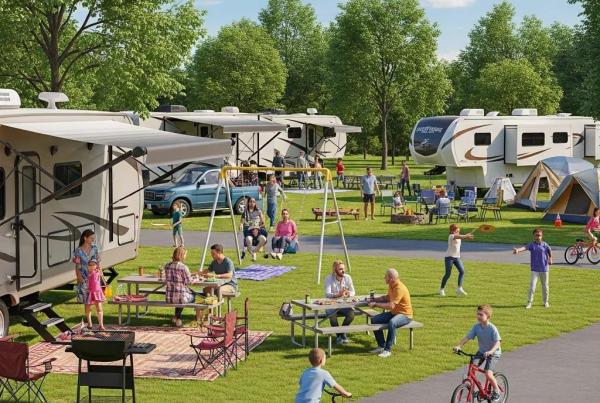
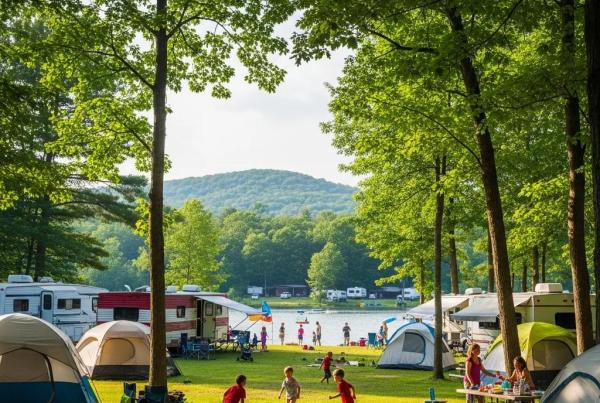
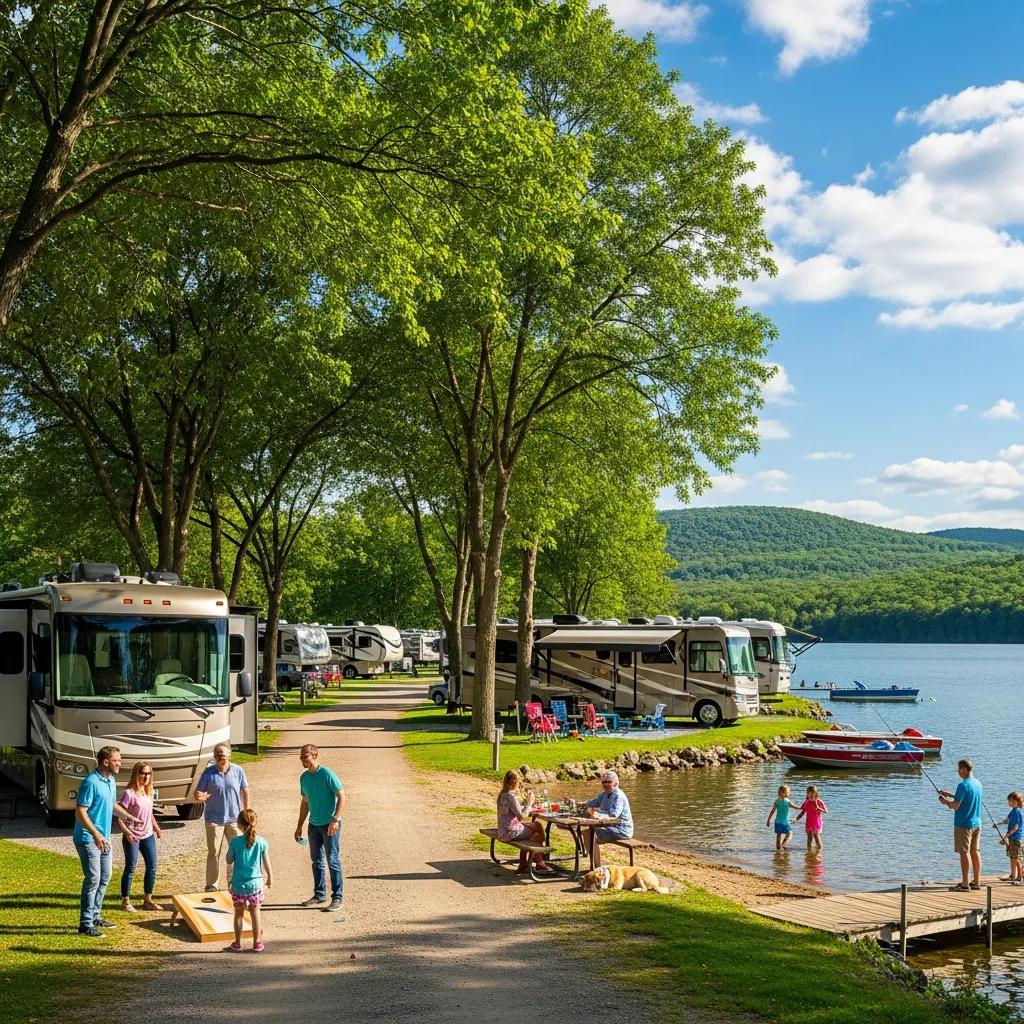
Seasonal communities often offer more than a place to park — they offer a calendar of activities, water features, playgrounds, pavilions and routines that bring neighbors together. Everyday amenities like swimming lakes, fishing ponds, and trails provide simple ways to spend time outdoors, while scheduled events — from themed weekends to group outings — help families and multigenerational campers build friendships and informal support networks. These community benefits make seasonal stays feel safer and more social, and they’re a big reason many residents keep returning year after year.
Key features to look for in the best seasonal campgrounds in Michigan
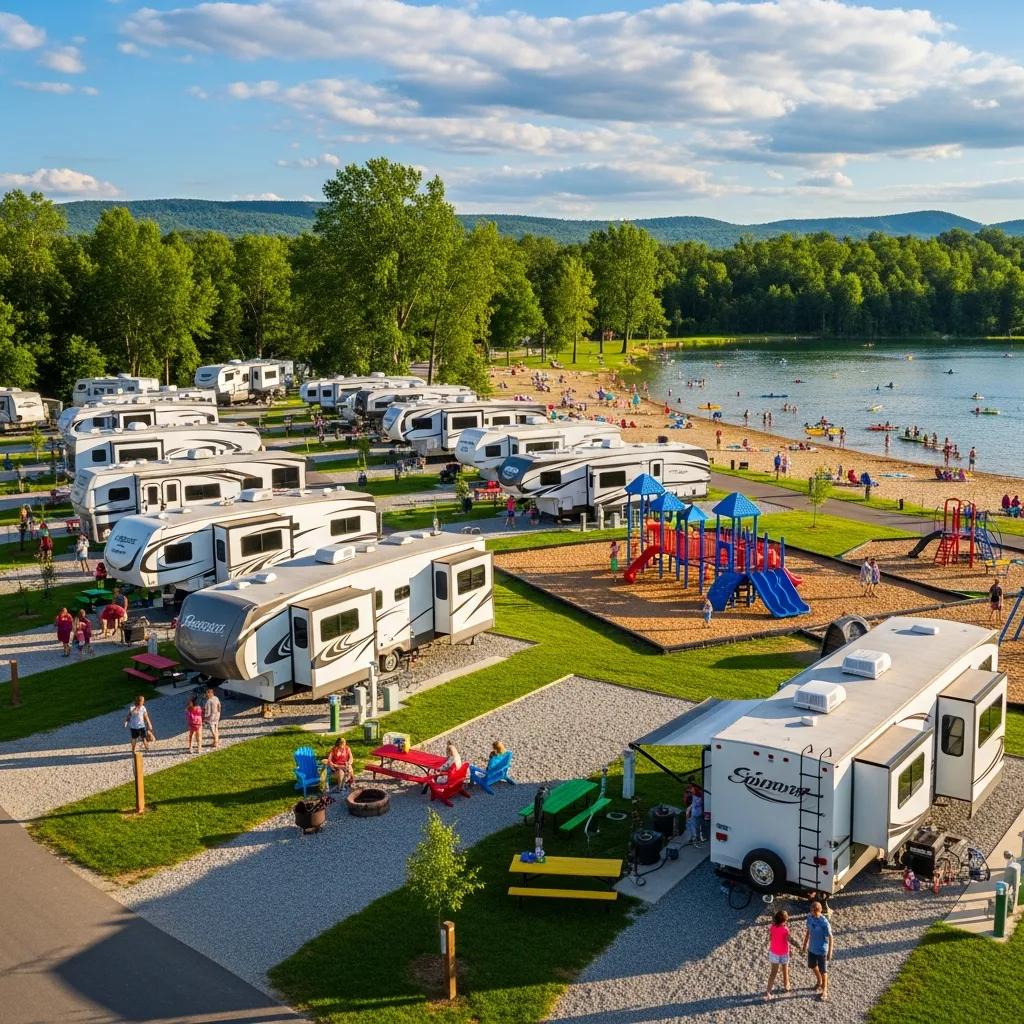
When comparing seasonal campgrounds in Michigan, focus on site infrastructure, family-friendly amenities, and drive time to the places you visit most. Reliable full hookups, correct amperage options, and a stable pad determine daily comfort. Amenities like beaches, playgrounds and trails create recreational value for kids and adults alike. Location matters too — shorter drives to metro areas mean easier access to supplies, services and weekend visits. Laying these priorities side-by-side helps you find seasonal sites that match your lifestyle and travel needs.
Campgrounds bundle different combinations of infrastructure and recreation; the quick table below highlights the core attributes to check when evaluating seasonal options.
This snapshot shows the basics to confirm when you tour or call a park — checking these items up front prevents mismatch between what you expect and what’s actually offered.
When you narrow your list, use a short checklist to compare sites before you apply:
- Verify hookups and amperage: Confirm exact electrical service and sewer access.
- Confirm pad size and layout: Make sure the pad suits your rig and tow vehicle.
- Review amenity access: Check hours, seasonal availability, and resident privileges.
- Ask about community rules: Learn guest policies, quiet hours, and rules for site improvements.
Doing this homework makes it easy to compare options objectively and speeds up the application or negotiation process.
How to find and secure seasonal campsites: application and booking process
Think of securing a seasonal site more like leasing property than booking a single-night stay. Start with targeted searches using phrases such as “seasonal RV sites Michigan” and “seasonal camping near Detroit,” then look for park pages with a dedicated seasonal section or a sample lease. Call parks to confirm wait-list procedures, deposit rules, and required documents — for example, proof of RV ownership, insurance, or seasonal fees — and ask how sites are assigned. Knowing typical timelines, fees, and negotiation options helps you approach applications strategically and improves your chance of getting the site you want.
Here’s a step-by-step process to answer “How do you get a seasonal campsite?” and guide your next moves:
- Search directories and campground websites with focused queries like “seasonal RV sites Michigan” to build a shortlist.
- Verify technical details (hookups, pad size, on-site amenities) and request a sample lease before visiting.
- Contact the campground to ask about deposits, wait lists, and required application documents.
- Visit the site to inspect pads and the neighborhood feel, then submit a formal application with deposit if it fits.
- If you’re placed on a wait list, stay in touch and ask about cancellations, off-season transfers, or alternative sites.
Knowing these common values reduces surprises and helps you move quickly when a site becomes available.
Using a local example makes the process more tangible. The Oaks Campground by GatherGrounds runs a seasonal program with full hookups and family amenities; prospective residents can review the campground’s seasonal details and follow its reservation pathway to check availability and wait-list rules. Referencing a specific nearby park here connects the steps above to a realistic booking path without replacing the broader search and comparison work you should do.
Discover The Oaks Campground: seasonal RV sites near Detroit and Ann Arbor
The Oaks Campground by GatherGrounds in Munith, Michigan is a family-focused option that highlights the features seasonal campers often seek: full hookups, a sandy swimming lake, a fishing pond, golf-cart-friendly trails, playgrounds, pavilions, and planned amenity additions. Its location offers drive-time access from Detroit, Ann Arbor, Jackson, Toledo, and Fort Wayne, making it a convenient regional choice for searches like “seasonal camping near Detroit” or “seasonal camping Ann Arbor.” The Oaks lists a Seasonal Sites menu so applicants can review options, and its seasonal reservations pathway is the logical next step after you confirm site fit and lease terms.
Seasonal site amenities and family activities at The Oaks Campground
The Oaks’ seasonal program centers on the amenities that shape day-to-day life: full hookups, a sandy swimming lake, a fishing pond, playgrounds, and trails for golf carts. These features support routines like morning fishing, afternoon swims, and evening gatherings at the pavilion, and programmed weekends help residents stay connected. The planned Wibit water park (targeted for 2025) shows ongoing investment in family recreation and is likely to boost long-term resident satisfaction. Thinking through how these amenities fit your family’s habits helps you decide if The Oaks’ community matches your recreational priorities.
Community events and long-term camping benefits
Seasonal residents at The Oaks enjoy themed weekends, pavilion get-togethers, and on-site programming that build neighborhood-style connections and predictable social calendars for families and multigenerational groups. These events make it easier for new residents to integrate and for long-term campers to contribute to community stewardship — which in turn raises resident satisfaction. Core long-term benefits include stable site assignments, reliable access to shared amenities, and a community structure that supports neighborly assistance. When you compare parks, active community programming and planned amenity growth are good signals of a campground’s commitment to seasonal living.
Frequently asked questions
What should I consider when choosing a seasonal RV campground?
Think about location, site quality, and amenities first. Close drive times to supplies and services make weekends easier, while family-friendly facilities like playgrounds and water features add daily value. Also check technical details — hookup types, pad condition and size — and get a feel for the community rules and atmosphere since those factors shape day-to-day life.
Are pets allowed at seasonal RV campgrounds?
Pet rules vary by park. Many campgrounds welcome pets but may limit number, size, or breed and require leashes or designate pet areas. Extra fees are sometimes charged. Always confirm a campground’s pet policy before applying to avoid surprises.
What are the typical amenities offered at seasonal campgrounds?
Common amenities include full hookups (water, electric, sewer), swimming lakes or pools, playgrounds, fishing ponds, and community spaces for gatherings. Parks often run organized activities like themed weekends or group outings to build resident connections. Prioritize the amenities that matter most to your family when comparing options.
How do I prepare for seasonal camping with my family?
Start by ensuring your RV is ready for extended stays — check systems and stock supplies. Review campground rules and amenities so you can plan activities and routines. Build a packing list with outdoor gear, cooking supplies and personal items to make the move into seasonal life smooth.
Can I make improvements to my seasonal RV site?
Some parks allow limited site improvements — landscaping, decks or storage sheds — but policies differ. Always read the lease and get written approval from management before making changes to avoid violations or removal requests.
What should I know about seasonal camping insurance?
Seasonal camping insurance protects liability, personal property and the RV itself and may be required by some campgrounds. Review your current policy and talk with your provider to confirm adequate coverage and any park-specific insurance requirements.
What is the average cost of a seasonal campsite?
Seasonal rates depend on region, amenities and proximity to cities. Parks with lake access or extensive family facilities typically charge premium seasonal fees, while more basic pads cost less. Price is driven by hookups (full vs. partial), pad type (concrete vs. gravel), included utilities, and resident privileges. For accurate local pricing, request seasonal rates from parks you’re considering and compare what’s included in the fee.
How long can you stay at seasonal RV parks?
Seasonal leases usually cover a defined camping season (for example, spring through fall), though some parks offer multi-season or year-round leases depending on local rules. Policies on off-season access and winter storage vary, so confirm lease start and end dates, early-departure penalties, and off-season rules before committing.
How do waiting lists and availability work for popular seasonal sites?
Waiting lists are common and usually follow a first-in, first-notified process, with contact by phone or email when a site opens. Wait times can range from weeks to several seasons at popular parks. You can improve your chances by being flexible about site location, staying in regular contact, and placing deposits when allowed. Ask parks about average wait times, notification methods, and any prioritization rules when you apply.
- Be flexible on site location: Wider site preferences often lead to faster placement.
- Maintain communication: Regular follow-up keeps your application active and up to date.
- Ask about cancellation and transfer policies: These can open quicker paths to occupancy.
These tactics help you manage expectations and act quickly when a seasonal vacancy appears. For current local availability and specific wait-list rules, contact the campground’s seasonal reservations team to learn the next steps.
Conclusion
Choosing a seasonal RV site gives families a stable, convenient base for enjoying the outdoors and building community. With dependable hookups and family-focused amenities, seasonal campgrounds turn weekend trips into a steady, social lifestyle. Learn the lease terms, compare the features that matter to you, and start contacting local parks — your ideal seasonal spot is out there, waiting.