Seasonal Campgrounds Near Detroit: Your Practical Guide to Family-Friendly Extended Stays
Seasonal campgrounds let families and repeat visitors enjoy the outdoors near Detroit without the hassle of nightly reservations or constant packing. This guide walks you through what seasonal camping looks like in the Detroit metro area, how extended-stay RV parks support everyday family routines, and which amenities and nearby attractions make a seasonal commitment worth it. You’ll learn how to evaluate seasonal RV sites for comfort, cost, community, and convenience, and how being close to Detroit, Ann Arbor, or Toledo makes regular weekend getaways and longer seasonal stays easy. Throughout, The Oaks Campground by GatherGrounds Resorts in Munith, Michigan is used as a local example of seasonal RV living so you can compare features and plan your visit or reservation.
The Oaks Campground by GatherGrounds Resorts is one nearby seasonal option for families seeking extended-stay RV sites in Southeast Michigan. Located in Munith, The Oaks offers seasonal RV site options and a range of family-focused amenities—use this guide to prioritize what matters most to your household, then consider The Oaks as a practical example when checking seasonal availability and booking rules.
What Makes a Great Seasonal RV Site Near Detroit for Long-Term Camping?
Seasonal RV sites are reserved spots where campers leave their RV on-site for a full season. The best sites combine dependable hookups, level, correctly sized pads, a convenient location relative to home, and active community programming that encourages repeat visits. These features reduce setup time, spread costs over many stays, and create lifestyle benefits like on-site trails and family weekends. When comparing options near Detroit, focus on infrastructure and management policies that support comfort, community, and easy access to both urban amenities and nearby nature.
Top attributes that define the best seasonal RV sites:
- Full, dependable utility hookups and well-graded pads that simplify everyday living.
- Recreational infrastructure—trails, ponds, playgrounds—that fits family rhythms.
- Active community programming and clear policies that allow extended, repeated occupancy.
This quick checklist helps you weigh trade-offs like upfront seasonal fees versus frequent nightly stays and the less-tangible value of a welcoming community.
What The Oaks’ Seasonal RV Sites Offer
The Oaks Campground’s seasonal RV sites show how smart design and programming make extended stays workable for families. Sites provide full-hookup access and pad layouts suited to long-term placement, which cuts down on the daily hassle of hooking and unhooking. Wide grounds and golf cart trails create a neighborhood feel where families use carts for short trips. Everyday recreation—like a large fishing pond and nearby playgrounds—keeps children and adults entertained, while themed weekend programming and planned additions (such as a Wibit water park targeted for 2025) demonstrate how amenities can increase a site’s year-round appeal and community value.
To compare seasonal site types, consider this table that outlines common configurations and the benefits each delivers.
Intro to site-type comparison: This table shows typical seasonal site types, the essential hookups and services they include, and the main long-term benefits they offer for extended camping.
How Seasonal RV Sites Differ from Short-Term Camping
Seasonal sites and short-term camping serve different needs. Seasonal spots provide stability, let you amortize costs across many visits, and often include community access that builds relationships over time—advantages short stays rarely match. Short-term camping is flexible and ideal for travel spontaneity, but repeated short stays can add up in cost and setup time, which matters most for families and owners of large rigs. Compare total cost of ownership, convenience, and community access to decide if seasonal living or night-by-night stays fit your lifestyle.
Key comparison points (quick-scan):
- Cost amortization: Seasonal fees spread fixed costs across many visits and can lower per-visit cost.
- Convenience: Leaving an RV in place reduces packing and repeated hookups.
- Community: Seasonal sites typically offer events and neighborhood networks short-term stays lack.
These trade-offs help families decide between the freedom of short trips and the steadiness of a seasonal site.
Which Family-Friendly Amenities Make Seasonal Camping Better?

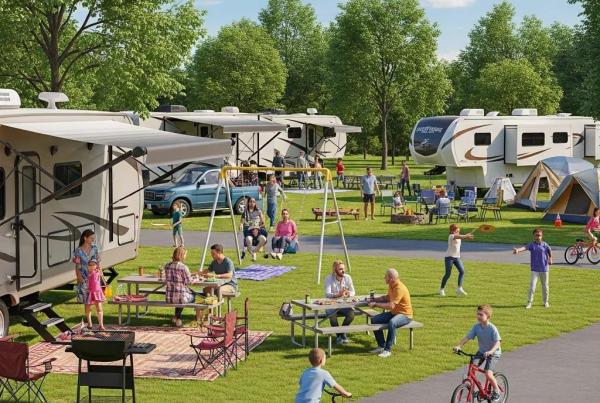
Family-friendly seasonal campgrounds pair everyday conveniences with recreation that keeps all ages coming back. High-impact amenities include safe playgrounds, water features for different ages, extensive trail systems for walking and golf carts, and covered pavilions for gatherings. These support routines—morning walks, afternoon fishing, evening socials—that turn a campsite into a home base. When you compare campgrounds near Detroit, match amenities to your family’s ages and interests and favor operators who run regular events to help newcomers feel at home.
Top amenities that elevate family seasonal stays:
- Playgrounds and child-safe zones for everyday play.
- Water recreation—ponds or future water parks—for swim and splash fun.
- Trails and golf-cart networks that make on-property travel easy and safe.
- Covered pavilions and event spaces that host themed weekends and community gatherings.
Playgrounds, Fishing Ponds, and Golf Cart Trails at The Oaks
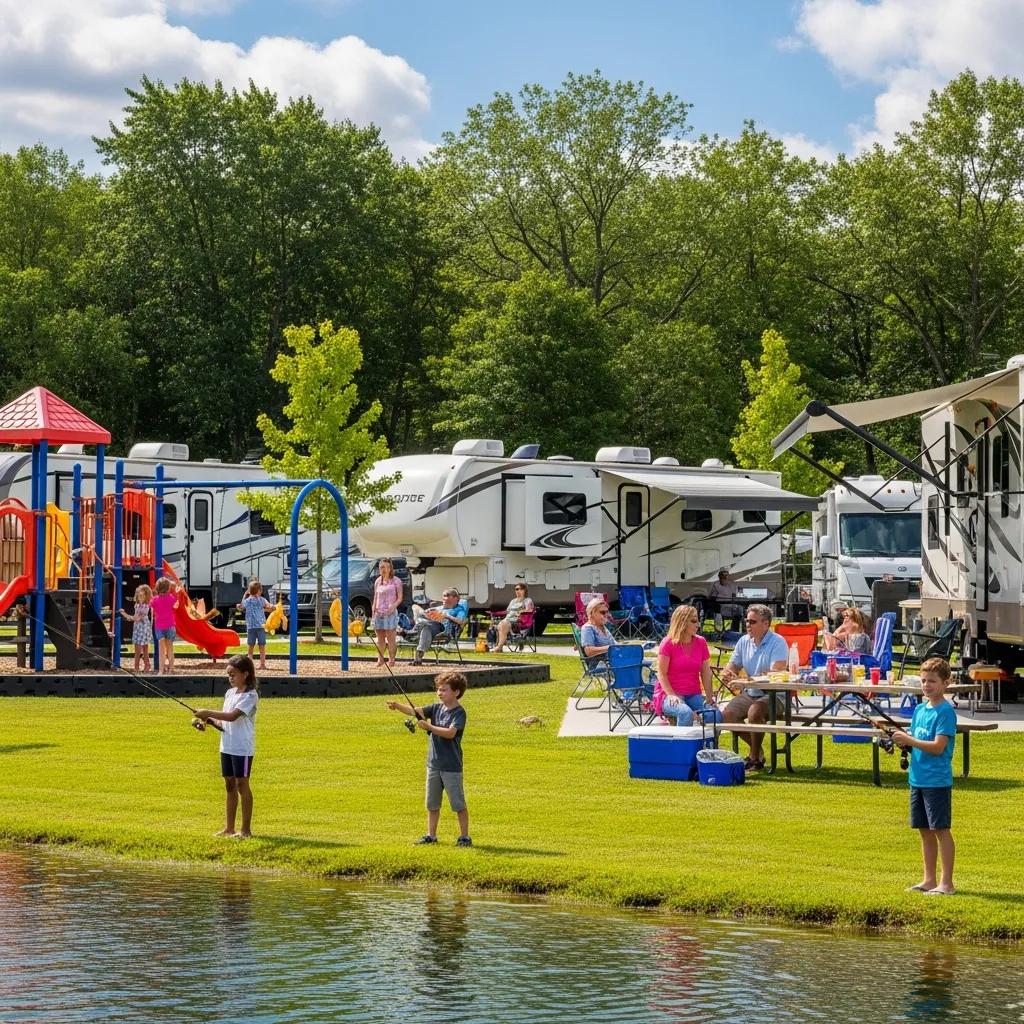
At The Oaks Campground, family-focused amenities include multiple playgrounds near activity hubs, a large fishing pond for easy angling, and a network of golf cart trails across the property. Central playground placement makes supervision simple and encourages regular outdoor play. The pond is a low-key spot for morning walks and family fishing, while roughly 120 acres of trails let families move between sites and amenities without relying on cars. Thoughtful layout and maintenance turn these assets into daily conveniences across a season.
Practical tips before you visit:
- Check playground locations and recommended ages to match your children’s needs.
- Confirm fishing rules and bait policies with campground staff before arriving.
- Bring or rent a family golf cart if allowed to increase on-site mobility.
Upcoming Attraction: The 2025 Wibit Water Park Preview
The planned Wibit water park at The Oaks, targeted for 2025, is a good example of an amenity that can shift a campground’s appeal. Inflatable course features draw kids and teens, raise daytime activity levels, and become centerpieces for family programming on themed weekends. A new water attraction also reduces the need for off-site trips and boosts the value of staying on property. Prospective seasonal campers should watch official updates for opening dates, safety rules, and any booking changes tied to the new feature.
Short preview checklist:
- Expect more daytime family activity and themed programming once open.
- Anticipate new safety guidelines and age/height restrictions at launch.
- Look for increased early-season demand—plan reservations accordingly.
How Proximity to Detroit and Nearby Cities Helps Seasonal Campers
Being near Detroit, Ann Arbor, Toledo, and other regional centers makes seasonal camping more practical for families who want regular weekend trips, easy resupply runs, and occasional urban outings without long drives. Shorter commutes support hybrid use—working remotely from a seasonal site during the week and spending weekends outdoors—while nearby cities provide cultural and shopping options for longer stays. The ideal seasonal site balances a peaceful, rural feel with convenient access to metropolitan services and transport routes.
Practical benefits include shorter drive times, simpler logistics for multi-week stays, and more day-trip options that complement on-site recreation. These factors matter when picking a seasonal site that fits an active family life.
Drive Times from Detroit, Ann Arbor, and Toledo: Practical Use Cases
Typical drive times shape how families use a seasonal site—Detroit-based visitors often favor frequent weekend trips, while those coming from Ann Arbor or Toledo may plan longer stays. Shorter drives lower the barrier to spontaneous visits and make it realistic to keep an RV on-site and return often. When you plan, factor in peak holiday traffic, the convenience of leaving a second vehicle on site, and whether to tow a car or use on-site carts for short errands. These logistics determine how often you’ll use your seasonal spot and how readily you can access city services when needed.
Quick planning list for commuters:
- Estimate drive times during peak weekend hours so arrivals aren’t a surprise.
- Run resupply trips on off-peak days to avoid heavy traffic.
- Keep a small on-site vehicle or use golf carts for daily errands if allowed.
Day Trips and Outdoor Options Near The Oaks, Including Waterloo State Recreation Area
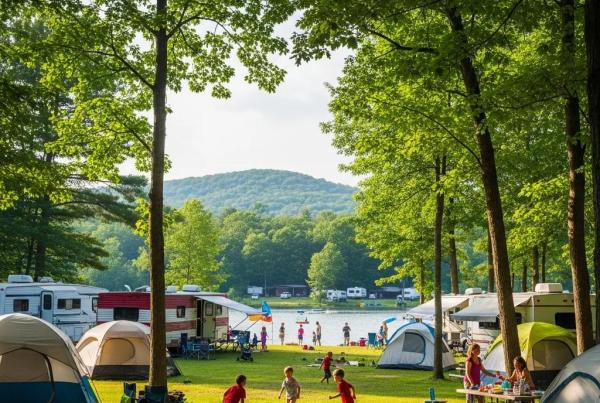
The Oaks’ Munith location gives seasonal campers access to regional outdoor destinations that broaden on-site offerings—Waterloo State Recreation Area is a nearby choice for hiking, birding, and larger water recreation. Day trips add variety to a seasonal stay by offering half- or full-day excursions that refresh family routines. A common plan: a morning hike at a state park, then an afternoon at the campground pond or playground. Rotating local outings keeps a season lively while letting you enjoy the convenience of a single base camp.
Sample day-trip ideas:
- Morning hike in a nearby state recreation area, then afternoon playtime back at camp.
- Half-day birding or fishing trip, followed by a community dinner at the pavilion.
- Visit a nearby small town for supplies or a local event, then return for on-site activities.
Cost and Community Perks of Extended-Stop Campgrounds in Michigan
Extended seasonal camping can be financially smart and socially rewarding. Economically, seasonal fees let you spread set-up and travel costs over many visits. Socially, recurring events and neighbor networks build stability and shared traditions that deepen the camping experience beyond pure savings. Practical items—deposit rules, payment plans, and cancellation policies—vary by campground, so review those details before committing.
This section highlights what to compare when judging economic and social value and how The Oaks’ programming illustrates community-building in action.
Is Seasonal Camping at The Oaks Cost-Effective Compared to Other Michigan Campgrounds?
Seasonal fees bundle different services—site reservation, utility access, amenity use, and sometimes storage or parking—so direct price comparisons require looking at what’s included. Instead of comparing headline rates, check component inclusions: are hookups, event access, or recreational spaces bundled or extra? For The Oaks and similar properties, the value is in the mix: infrastructure (full hookups, site layout), recreational access (trails, pond, playgrounds), and community programming (themed weekends). Those combined elements determine whether a seasonal rate is a smart fit for your family’s usage.
Intro to cost comparison table: The table below lists cost-related elements to review when comparing seasonal sites and explains how each affects overall value.
Summary insight: Focus comparisons on what’s bundled and how often you’ll use those services to judge whether a seasonal arrangement is cost-effective for your family.
How Themed Weekends and Seasonal Gatherings Build Community
Community programming turns seasonal sites into social hubs where friendships, mutual help, and traditions grow—factors that boost seasonal retention and improve life quality. Themed weekends, family-activity days, and casual neighbor meetups give new seasonal campers a clear way to connect and help long-term campers deepen ties. For families, these events create dependable social opportunities that make RV or tent life feel less isolated. When touring campgrounds, ask for an event calendar, volunteer opportunities, and how management helps newcomers meet neighbors to ensure a welcoming environment.
Community-building elements to look for:
- Regularly scheduled themed weekends and family events.
- Clear communication channels for seasonal residents (bulletin boards, newsletters).
- Volunteer groups or committees that plan and run activities.
How Amenities Improve Comfort and Convenience for Long-Term Campers
Amenities are the daily foundation of comfortable seasonal living. High-priority items include full utility hookups, well-kept restrooms and laundry, recreational lakes or ponds, trails, and safe play areas for kids. Operational supports—on-site management, maintenance teams, and clear information—cut friction for seasonal campers so families can enjoy outdoor life without constant chores. When comparing campgrounds near Detroit, weigh amenity quality alongside proximity and community programming to get a full picture of livability.
Use this checklist to evaluate amenity readiness and operational support when visiting potential seasonal sites.
- Inspect hookup quality and confirm utility service levels.
- Verify maintenance schedules and on-site support availability.
- Assess recreational amenity condition and family suitability.
Full-Hookup Sites and Modern Facilities at The Oaks
“Full hookup” sites include electric, water, and sewer connections at the pad—services that make seasonal living comfortable because they support everyday household routines. The Oaks highlights full-hookup setups among its seasonal features, helping families who depend on stable utilities. When evaluating full-hookup sites, confirm electrical amp levels, pad grading and drainage, sewer hookup specifics, and restroom/laundry facility condition—these directly affect convenience and equipment longevity. Asking precise questions during a tour helps you avoid surprises and choose a site that fits long-term needs.
Checklist to verify on-site utilities:
- Confirm electrical service capacity and outlet types at the pad.
- Inspect pad grading, drainage, and vehicle access for safety.
- Ask about sewer hookup standards and winterization procedures.
Recreation: Lakes, Trails, and Family Spaces
Recreational amenities—lakes, trail networks, and family-centric common spaces—shape daily life during a season and influence how campers use the property. Lakes and ponds support fishing and gentle water play; trails and golf-cart routes boost mobility and encourage daily activity; family spaces like playgrounds and pavilions become social anchors for events and casual gatherings. For long-term campers, how well these assets are managed (maintenance, scheduling, safety) determines how reliably they can be enjoyed all season.
Amenity evaluation bullets:
- Lakes/ponds: check access points, safety measures, and fishing rules.
- Trails: assess trail length, surface type, and connectivity to sites.
- Family spaces: evaluate shade, seating, and proximity to restrooms.
At The Oaks Campground, seasonal campers find full-hookup sites plus recreational infrastructure—trails, a large fishing pond, playgrounds, pavilions, and planned water-park amenities—that together demonstrate how thoughtful amenity clusters support comfortable, family-focused seasonal stays. If you’re considering a seasonal site near Detroit, prioritize the infrastructure and program elements above, then contact the campground’s reservation team to confirm availability and booking policies that match your schedule.
Frequently Asked Questions
1. What should I consider when choosing a seasonal campground near Detroit?
Look for full utility hookups, high-quality recreational amenities, and a location that balances countryside calm with city access. Evaluate the campground’s community vibe—event schedules and neighbor engagement—and review long-term stay policies and facility maintenance. These factors combine to create a comfortable seasonal experience for your family.
2. Are there specific safety measures to check at seasonal campgrounds?
Good safety features include well-maintained playgrounds, secure access to water, and clear trail and road signage. Ask about on-site staff, emergency response plans, and first-aid resources. Also confirm safety rules for activities like swimming or fishing to keep your family protected.
3. How can families work remotely while staying at a seasonal campground?
To balance remote work and family time, confirm reliable internet access and set up a comfortable workspace inside your RV or campsite. Many campgrounds offer Wi‑Fi, but check speed and coverage. Establish a routine that balances work hours with family activities, and choose quieter times for focused work.
4. What kinds of community events can I expect at seasonal campgrounds?
Expect themed weekends, potlucks, outdoor movie nights, and organized activities like fishing contests or guided hikes. Some sites offer workshops or kids’ programs. Participating in events helps you meet neighbors and makes the season more social and fun.
5. How do seasonal campgrounds serve families with different age groups?
Look for a mix of amenities: playgrounds and safe play areas for young kids, water and sports options for older children and teens, and family events that everyone can join. A diverse activity lineup helps every family member stay engaged and connected.
6. What are the benefits of seasonal camping versus traditional vacations?
Seasonal camping spreads costs over many visits, reduces packing and setup time, and builds community through recurring events and neighbor relationships. It gives families a flexible home base for repeated outdoor experiences rather than a single, short trip.
7. How can I prepare for my first seasonal camping experience?
Start by researching campgrounds that match your family’s needs. Make a packing checklist (gear, cooking supplies, recreation items), review rules and policies, and reach out to management with questions. Plan a few local outings to get to know the area and ease into seasonal life.
Conclusion
Choosing a seasonal campground near Detroit gives families a chance to make the outdoors a regular part of life—backed by full amenities, safer routines, and a welcoming community. The benefits—less travel hassle, potential cost savings, and meaningful neighbor connections—make seasonal camping an appealing choice for many households. Prioritize the site features that matter to your family, then contact your preferred campground to explore seasonal availability and next steps. Your best-season memories start with the right base camp.