What Makes Your Campground Worth More? Campground Valuation Methods and Selling Guide for Owners
Your campground’s value is essentially what a buyer is willing to pay today for the property, its operations, and its future earning potential. It’s a blend of hard numbers and the unique charm that makes your place special. This guide breaks down how Net Operating Income (NOI), capitalization rates (cap rates), the amenities you offer, and market conditions all play a role in maximizing your sale proceeds and keeping your legacy alive. We know that translating daily operations into investor-ready financials and picking the right upgrades can be tough. That’s why we’re here to show you practical ways to boost NOI, clearly document your value, and navigate the selling process smoothly. You’ll get the lowdown on core valuation formulas, which investments truly pay off, a step-by-step selling timeline, and how different buyers approach offers. We’ll cover valuation methods, high-impact improvements, the selling process, why some sellers prefer family buyers, current 2025 market trends, broker vs. direct sale trade-offs, and essential financial and legal prep. Together, these insights will equip you to increase your campground’s value, get ready for a sale, and find a buyer who shares your vision.
How Is Your Campground’s Value Determined? Key Valuation Methods Explained
Valuing a campground hinges on two main financial concepts: Net Operating Income (NOI), which is your recurring cash flow after operating expenses, and capitalization rate (cap rate), which translates that income into an asset value by reflecting market return expectations. NOI captures all your revenue streams—site fees, cabin rentals, store sales, and more—minus operating costs like utilities, staffing, and regular maintenance. Calculating a normalized NOI shows your property’s true, sustainable earning power. The cap rate, on the other hand, represents the investor’s required return. The formula is simple: Value = NOI ÷ Cap Rate. This rate fluctuates based on risk, location, and market liquidity, meaning the same NOI can lead to vastly different valuations. Understanding these metrics empowers you to focus on actions that boost NOI and attract buyers looking for specific risk-return profiles. Below, we’ll dive deeper into NOI and cap rates, then explore the other factors that influence your final sale price.
What Is Net Operating Income and Why Does It Matter?

Net Operating Income (NOI) is your annual revenue from operations minus recurring operating expenses, excluding debt service and personal owner expenses. It’s crucial because buyers use NOI as the foundation for valuing your asset. NOI consolidates income from campsites, lodging, store sales, and other services, then subtracts costs like utilities, wages, maintenance, insurance, and property taxes to reveal your operating profitability. Sellers should normalize NOI by removing one-time expenses and owner perks (like personal utilities or free stays for family) to present a clear, buyer-ready cash flow picture. Accurate NOI documentation—think P&Ls, occupancy reports, point-of-sale summaries—builds buyer confidence and speeds up due diligence. Having a normalized NOI also lets you model how specific upgrades or new revenue streams will impact valuation using cap-rate math.
How Do You Calculate Capitalization Rate for Campgrounds?
A capitalization rate (cap rate) is the ratio of NOI to asset value: cap rate = NOI ÷ Value. It essentially acts as the inverse of the price multiple buyers are willing to pay for a given income stream. Typical mid-market cap rates shift with market conditions and asset type: smaller, mom-and-pop campgrounds usually have higher cap rates (reflecting higher perceived risk), while resort-style or highly amenitized properties command lower cap rates due to their stable cash flows. Buyers determine their cap rate based on location, occupancy volatility, size (site count), and how much management effort they anticipate. A lower cap rate means a higher valuation for the same NOI. Using the cap-rate formula, sellers can project target sale prices by estimating achievable NOI after improvements and pairing it with market cap-rate assumptions to set realistic asking prices.
This straightforward table illustrates how NOI and cap rate combine to create an indicative market value, showing why boosting NOI or achieving a lower cap rate significantly increases your sale proceeds. The next section explores other non-financial factors that also influence buyers’ cap-rate expectations.
If you’re looking for a confidential, no-obligation chat about how NOI and cap-rate metrics apply to your property, connect with GatherGrounds Resorts’ acquisition team. We offer an acquisition service focused on thoughtful transitions and preserving property identity for qualifying properties, which can help you better understand these metrics for your campground.
What Other Factors Influence Campground Market Value?
Beyond NOI and cap rate, several operational and physical aspects impact market value. These include location quality, the number and type of sites, utility infrastructure, zoning and development potential, seasonality, and the competitive landscape in your area. Location and accessibility dictate demand and occupancy potential, while site features—like pull-through sites, full hookups, or cabin availability—influence your average daily rate and guest mix. Infrastructure such as robust sewer and water capacity, upgraded electrical (e.g., 50-amp service), and reliable broadband can reduce a buyer’s capital expenditures, thus supporting higher valuations. Buyers also scrutinize regulatory constraints, environmental factors, and local tourism trends, as permitted expansion or alternative uses add flexibility and improve pricing. Understanding these elements helps you prioritize investments that lower buyer-perceived risks and reduce the cap-rate premiums they might otherwise demand.
How Do Intangible Assets Affect Your Campground’s Worth?
Intangible assets—like your brand reputation, loyal repeat guests, strong vendor relationships, long-term contracts, and community goodwill—often add a valuation premium. They reduce perceived revenue volatility and guest acquisition costs. A strong local reputation and consistent positive reviews lead to higher repeat bookings and direct reservations, boosting effective NOI and lowering marketing spend. Documented membership or loyalty programs serve as valuable proof. Contracts with vendors, concession partners, or event promoters bring predictable ancillary revenue or lower expense risks, and established community relationships or local sponsorships strengthen transition plans. Sellers should compile guest retention metrics, historical booking data, and examples of community engagement to quantify these intangible benefits and present them as value-enhancing assets to prospective buyers.
What Are the Best Ways to Increase Your RV Park or Campground Value?
Boosting your campground’s value starts with actions that increase Net Operating Income and reduce perceived buyer risk. Targeted amenity upgrades, smart technology investments, efficient operations, and diversified revenue streams are your primary levers. Improvements that allow for higher nightly rates or longer stays—such as adding new cabin inventory, installing 50-amp full-hookup sites, or introducing glamping units—tend to deliver measurable revenue uplift. Technology like online reservation systems and dynamic pricing can increase conversion rates and average revenue per booking, while also lowering no-show risks and manual administrative tasks. Operational gains come from streamlined staffing, preventative maintenance plans, and centralized procurement that lower expense ratios. Below, we rank typical upgrades, explain technology returns, and outline strategies for operational efficiency and revenue diversification to increase your value.
Which Amenity Upgrades Yield the Highest Return on Investment?
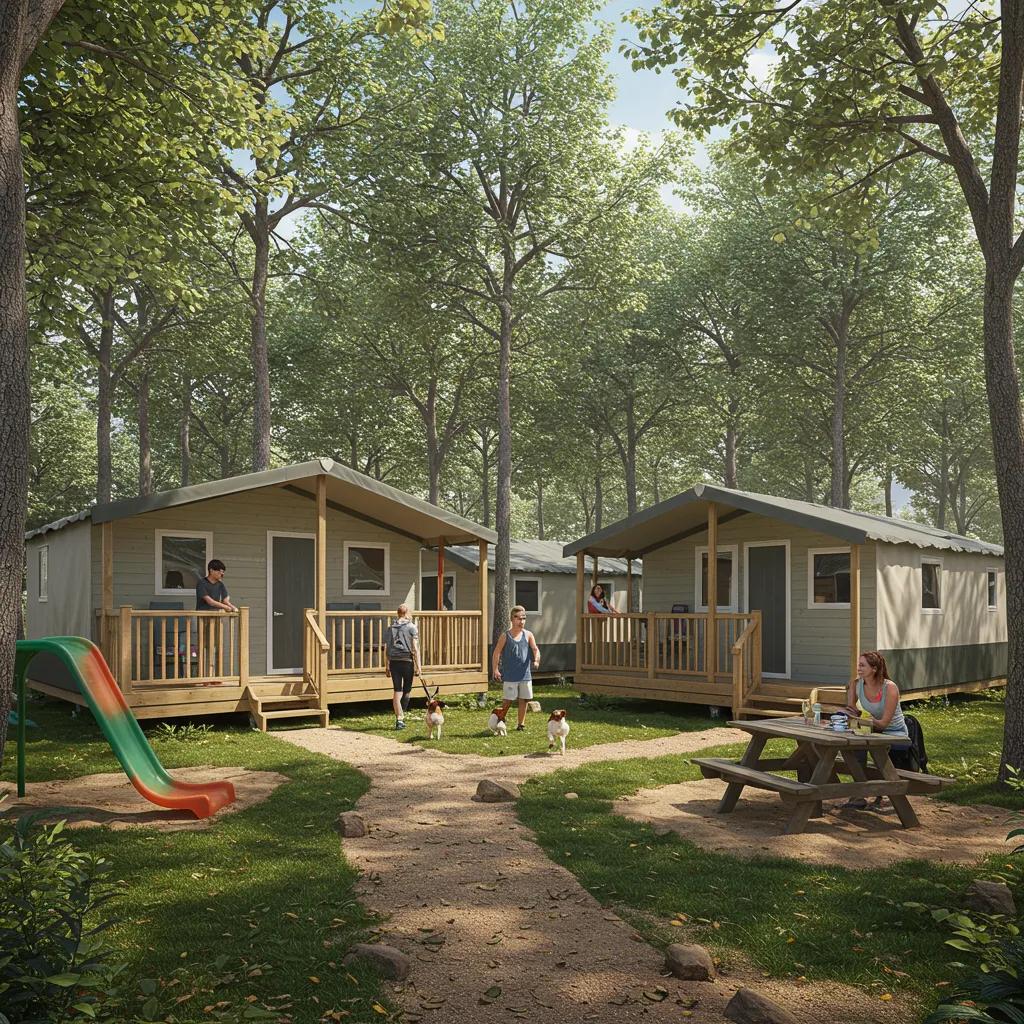
Certain amenity investments consistently deliver strong returns by attracting new guest segments or enabling higher rates. Common high-ROI upgrades include glamping units, modernized bathhouses, 50-amp hookups, and enhanced recreational facilities. Glamping often commands significantly higher per-night rates than basic tent sites and can rapidly boost occupancy during shoulder seasons. Modern bathhouses improve guest satisfaction and justify premium pricing for nearby sites. Electrical upgrades to 50-amp service attract larger RVs that pay higher rates and extend booking windows, while playgrounds or event spaces can facilitate group bookings and weekend programming. When evaluating upgrades, consider cost, permitting requirements, guest profile fit, and the timeline to revenue to prioritize projects that deliver the biggest NOI lift first.
This table compares common upgrades by their estimated NOI impact and practical implementation notes, helping you prioritize projects that best suit your market. The following subsection discusses how technology complements these physical improvements and impacts operational costs.
How Can Technology Investments Boost Your Campground’s Profitability?
Technology investments—such as online reservation systems, property management systems (PMS), dynamic pricing tools, contactless check-in, and reliable Wi-Fi—can boost revenue and reduce operational friction. They achieve this by increasing direct bookings, optimizing rates, and cutting down on manual workloads. An integrated reservation system prevents double-bookings, improves conversion by offering instant confirmations, and supports upsells for cabins or add-ons. Dynamic pricing adjusts nightly rates based on demand, potentially increasing average daily revenue significantly. A modern PMS links occupancy, housekeeping, and maintenance to financial reporting, making due diligence smoother and NOI presentation more credible. High-speed Wi-Fi caters to remote workers and encourages longer stays, unlocking a higher-spending guest segment. Combining tech upgrades with new amenities amplifies revenue growth and buyer appeal.
The strategic implementation of revenue management systems, as explored in recent research, can further optimize profitability by leveraging data to maximize revenue from perishable inventory.
Enhancing Campground Profitability with Revenue Management Strategies
Revenue Management (RM) maximizes revenue and profitability in industries with perishable goods. This study proposes the MERMCAMP model (Model for Evaluation of Revenue Management in Camping Industry), a framework developed to evaluate RM implementation in outdoor hospitality. The model is based on previous research and was further refined through an expert consensus in a qualitative Delphi survey. A panel of 10 experts participated in several rounds of interviews to identify and evaluate key RM practises for the camping sector. MERMCAMP comprises 119 items categorized under eight key elements: culture, forecasting, segmentation, pricing, distribution channels, competitors, evaluation and digitalization. The model provides a practical and scalable approach for campsite operators to improve pricing, inventory management and business performance.
Indoor vs. outdoor hospitality: enhancing campsite revenue management implementation with MERMCAMP, S Janković, 2025
What Operational Efficiencies Improve Campground Value?
Operational efficiencies reduce expense ratios and enhance guest satisfaction, both of which increase sustainable NOI and make your property more attractive to buyers seeking stable cash flows. Standardizing operating procedures, implementing preventative-maintenance schedules, consolidating vendor procurement for bulk discounts, and training staff on a consistent guest service model all reduce variability and operating costs. Scheduling regular capital maintenance and documenting your systems minimizes surprise repair costs during due diligence and shortens buyer underwriting timelines. Improved operations also support a smoother transition to a new owner by demonstrating replicable processes, often leading to stronger offers and fewer seller concessions.
How Does Diversifying Revenue Streams Increase Your Campground’s Worth?
Diversifying your revenue—through on-site retail, equipment rentals, paid activities, cabin rentals, event hosting, and seasonal programming—helps smooth out seasonality and increases per-guest spending. This directly boosts NOI and lowers valuation risk for buyers. Auxiliary revenue reduces reliance on nightly rates and creates recurring cash flows that buyers value when calculating cap rates. Low-cost pilots, such as pop-up glamping weekends or kayak rentals, allow you to test demand before committing significant capital. Documenting the performance of these pilots with simple P&L line items helps buyers model future earnings and often leads to improved offers when revenue diversification is proven.
What Is the Step-by-Step Process for Selling a Campground or RV Park?
Selling a campground follows a clear sequence: prepare your financials and operations for review, make prioritized improvements to protect and increase NOI, market the property to the right buyer pools, evaluate offers and negotiate terms, and manage due diligence through closing and transition. A clear timeline and checklist minimize surprises and preserve sale value by ensuring buyers receive organized, verifiable information that supports your asking price. You’ll need to decide early whether to work with a broker or engage directly with buyers, understanding the trade-offs in fees, timeline, and control. The subsections below detail documentation preparation, curb appeal actions, optimal listing timing, and how to navigate offers and different buyer types.
How Do You Prepare Financial Documentation and Due Diligence?
Start by gathering three years of tax returns, detailed profit & loss statements, occupancy and revenue reports, vendor and supplier contracts, utility statements, and maintenance records. Then, normalize owner discretionary expenses to clearly show your sustainable NOI. Presenting consistent monthly statements, point-of-sale reports, and occupancy calendars demonstrates transparency and reduces buyer diligence flags. Organize your documents in folders or a secure virtual data room, and include simple narrative summaries explaining revenue seasonality or any unusual items to speed up buyer review. Preparing this documentation in advance shortens diligence windows and often leads to cleaner offers with fewer contingencies.
This documentation checklist outlines the primary items buyers expect and explains how each piece affects sale readiness and perceived value. Preparing these materials naturally leads into the physical improvements that increase buyer interest, as discussed next.
What Are the Key Steps to Enhance Curb Appeal and Maintenance Before Sale?
Prioritize immediate safety and compliance issues first, then focus on high-impact aesthetic and guest-experience improvements to boost buyer interest and justify your asking price. Safety items—like clear signage, functioning fire controls, ADA pathways, and compliant wastewater systems—must be addressed upfront, as buyers and lenders view them as critical. After safety, concentrate on landscaping, bathhouse refreshes, and signage improvements that create a strong first impression during inspections and tours. Staging—clean cabins, tidy communal areas, and clear site markings—helps buyers visualize operations and reduces the perceived need for immediate post-close spending.
When Is the Best Time to Sell Your Campground?
The optimal time to list depends on your seasonal visitation patterns and current market conditions. Many sellers choose to list during or just before peak season to showcase full occupancy and revenue, while others prefer to prepare in the off-season to complete fixes and then list with fresh operational data. Market cycles—including interest rates, cap-rate compression or expansion, and buyer liquidity—influence buyer demand and the ideal timing. Keep an eye on local booking trends and national investment activity. Align your listing timeline with completed improvements and financial reporting to present the strongest possible NOI and occupancy metrics. Strategic timing can attract stronger buyer pools and command better cap-rate assumptions.
How Do You Navigate Offers, Negotiations, and Buyer Types?
Offers can vary significantly by buyer type. Individual investors and mom-and-pop buyers often pay premium cap rates for owner-operator opportunities. Family-owned direct buyers prioritize legacy preservation and smoother transitions, while institutional buyers focus on scale, lower cap rates, and standardized operations. Your negotiation strategy should align with your specific goals. Typical deal structures include cash offers, seller financing, earnest money deposits, and contingencies for environmental, title, and financing. Understanding which terms matter most to you will help you extract value beyond the headline price. When considering family-owned direct buyers, you can expect a more hands-on transition and potentially fewer aggressive contingencies. For example, GatherGrounds Resorts positions itself as a family-owned direct buyer that emphasizes a thoughtful transition and preserving the property’s identity for qualifying properties. Evaluate offers based on net proceeds, certainty of closing, timeline, and legacy considerations to choose the best path forward.
Why Should You Choose GatherGrounds Resorts to Sell Your Campground?
GatherGrounds Resorts is a family-owned professional campground management and ownership group focused on acquiring and enhancing quality properties in the upper Midwest. We prioritize preserving property identity and community continuity. Sellers who value legacy preservation often prefer a buyer offering a thoughtful transition over a purely transactional approach, and GatherGrounds frames its acquisition service around maintaining traditions while modernizing amenities. Our mission centers on creating environments where campers can make lifelong memories by adding modern amenities and applying a consistent customer-service model. This can reassure sellers concerned about guest and staff continuity. For owners exploring options—especially those with larger properties—the GatherGrounds acquisition service offers a direct-buyer alternative to brokered or institutional sales that may align with legacy-focused selling objectives.
How Does GatherGrounds Preserve Your Campground’s Legacy and Community?
GatherGrounds emphasizes commitments such as maintaining the property’s identity, honoring local traditions, and minimizing abrupt operational changes that could disrupt staff or guest experience. This provides sellers with transition assurances not always found in institutional offers. Our preservation focus can include maintaining local contracts, retaining key staff where appropriate, and keeping community programming that contributes to the park’s brand and loyalty. Sellers who prioritize community continuity often find the family-owned model more aligned with their values, as it tends to favor long-term stewardship over rapid asset-flipping. Understanding these transition commitments helps sellers evaluate the non-financial elements of offers that impact legacy outcomes.
What Is the GatherGrounds Acquisition Process Like?
Engaging with GatherGrounds typically begins with a confidential, no-pressure conversation to understand your property’s scale and your goals. This is followed by a review of your financials and an indicative valuation. If we’re aligned, the process moves to a formal offer and due diligence phase, concluding with transition planning. Our acquisition approach emphasizes transparency and workable timelines. Sellers can expect discussions about preserving guest experience and staff continuity as part of transition planning. Because GatherGrounds actively seeks properties with 130+ sites, sellers of larger campgrounds often find a strong fit, though all conversations are positioned as exploratory and non-obligatory. This process structure helps sellers evaluate fit without committing until they have clear financial and operational terms.
How Can You Start a No-Obligation Conversation with GatherGrounds?
To begin, gather key information such as recent P&Ls, occupancy reports, site counts, and a brief property overview to facilitate an efficient initial discussion and valuation context. During the no-pressure conversation, GatherGrounds representatives will listen to your objectives, ask clarifying questions about operational and community details, and explain how our acquisition process and thoughtful transition planning typically work. We emphasize confidentiality to protect your business information while allowing for a realistic, data-informed dialogue about your options. Preparing selected documents and a concise property summary will speed up the process and enable a more useful preliminary assessment.
What Are Current RV Park Investment Opportunities and Market Trends?
The RV park and campground sector in 2025 continues to attract investor interest, driven by sustained demand for outdoor recreation, demographic shifts toward experiential travel, and opportunities to monetize on-site amenities and technology-enabled bookings. Market dynamics include a growing number of new camping households, interest in remote-work friendly stays, and regional variations in demand. Properties in the upper Midwest with strong seasonal visitation remain attractive for operators seeking steady summer cash flows. Cap-rate expectations and buyer pools vary by asset scale and amenity level, with premium properties drawing lower cap rates due to predictable revenue and institutional interest. Understanding these trends helps sellers set realistic cap-rate assumptions and time their sale to capture favorable buyer demand.
How Is the US Camping and RV Park Market Growing in 2025 and Beyond?
Current indicators show steady interest in outdoor lodging, fueled by increased domestic travel, the remote-work cohort seeking longer stays, and continued growth in RV ownership. These factors create demand tailwinds for well-located campgrounds and park assets. Growth is evident in higher occupancy in attractive markets and stronger ancillary revenue opportunities for properties catering to higher-spend guest segments. Regional patterns are important—some areas see multi-season demand while others are highly seasonal—so local market analysis is essential when projecting NOI growth and buyer interest. Sellers who can demonstrate alignment with these trends and documented demand trajectories improve their chances of capturing transaction premiums.
What Buyer Types Are Active in the Campground Market?
Active buyers include private investors and individuals, family-owned operators, syndicated investors and small institutional groups, and larger institutional or portfolio buyers. Each buyer type has distinct preferences regarding size, cap-rate tolerance, and operational expectations. Private buyers may pay higher prices for lifestyle or owner-operated opportunities, family-owned buyers often emphasize operational stewardship and legacy, syndicated investors pursue scale and standardized returns, and institutional buyers seek large, well-branded assets with strong management teams. Knowing which buyer types are most likely to value your specific site mix helps you tailor your marketing materials and set price expectations that reflect buyer motivations and cap-rate expectations.
How Do Market Conditions Affect Campground Valuation and Sale Potential?
Macro factors—like interest rates, consumer discretionary spending, and travel trends—impact cap rates and buyer pools. Rising interest rates typically increase cap rates and pressure valuations, while strong travel demand compresses cap rates and supports higher prices. Local seasonality and competition alter occupancy and revenue projections, influencing buyer risk assessments and required cap-rate premiums. Sellers should model scenarios showing how NOI changes and cap-rate movements affect sale price to understand downside exposure and to plan timing or improvement strategies that mitigate market-driven valuation shifts. Scenario planning helps sellers decide whether to accelerate upgrades, wait for better cycles, or prioritize certainty of close.
How Do Campground Broker Services Compare to Selling Directly?
Choosing between brokers and direct sales depends on your priorities. Brokers offer maximum exposure and potentially higher prices through seasoned marketing, while direct sales offer more control, lower transaction friction, and legacy-focused outcomes. Brokers typically provide valuation guidance, confidential marketing, buyer vetting, and negotiation support, but they charge fees and may lengthen timelines while seeking the highest net price. Direct sales to family-owned buyers can shorten timelines, reduce commission-related cost leakage, and better preserve community continuity, potentially at the cost of slightly lower headline prices. Below, we describe broker services and outline the pros and cons of each path to help you choose based on your goals.
What Services Do Campground Brokers Typically Offer?
Brokers offer a suite of services including market valuation, confidential buyer outreach, deal structuring, negotiation support, and management of the sale process through closing, plus coordination of marketing materials and buyer due diligence. They often maintain networks of qualified buyers, prepare offering memoranda, and help package financials to attract competitive bids, which can drive pricing. Typical fee structures are percentage-based commissions contingent on closing. Sellers should inquire about marketing budgets, target buyer lists, and expected timelines when engaging a broker. A broker’s expertise is especially valuable if broad market exposure and competitive bidding are your primary objectives.
What Are the Pros and Cons of Using a Broker vs Selling to a Family-Owned Buyer?
Selling with a broker often yields broader buyer exposure and potentially higher sale prices due to competitive bidding, at the cost of commissions and less control over buyer selection. Conversely, selling to a family-owned buyer offers smoother transitions and legacy preservation, with possible trade-offs in headline price. Key decision criteria include your desired timing, the importance of legacy and staff continuity, your tolerance for contingencies, and your willingness to pay broker fees for market reach. Sellers prioritizing community continuity and a hands-on transition sometimes prefer family-owned buyers, while those seeking maximum price and broad buyer pools may benefit from a broker-led sale. Evaluating these trade-offs helps align your transaction strategy with your objectives.
How Does GatherGrounds’ Family-Owned Model Different from Large Investment Firms?
GatherGrounds’ family-owned model emphasizes preserving property identity, thoughtful transition planning, and hands-on management, contrasting with large institutional buyers that often pursue standardization and portfolio efficiencies. This approach can reduce disruptive operational changes and support community continuity, which many sellers value when legacy and guest experience are priorities. Operational differences include a focus on amenity enhancement and reputation stewardship rather than rapid operational overhaul, influencing post-sale staffing and guest-facing policies. Sellers who want their campground’s traditions and staff relationships honored often find family-owned buyers better aligned with those goals.
What Financial and Legal Preparations Are Essential for Selling Your Campground?
Thorough financial and legal preparation reduces buyer uncertainty, shortens due diligence, and often increases sale proceeds by supporting a higher, well-documented NOI and minimizing contingencies. Essential tasks include organizing financial statements, normalizing profits, ensuring clear title and permit histories, documenting leases and easements, and proactively addressing environmental or regulatory issues. A clear organization of records, coupled with early engagement of appropriate advisors, positions you to command better terms and expedites closing. The subsections below list specific documents, compliance items, and how preparation translates into higher sale prices.
Which Financial Records Should You Organize Before Selling?
Gather three years of tax returns, monthly and annual profit & loss statements, occupancy and reservation reports, point-of-sale summaries for store and concession sales, vendor contracts, utility bills, and recent capital expense records to demonstrate consistent operations and normalized NOI. Presenting monthly P&Ls and occupancy trends helps buyers model seasonality and revenue drivers, while vendor and permit documentation reduces operational risk perceptions. Organize your records in clean folders and include a summary narrative explaining any anomalies or one-time events to streamline buyer review. Properly organized financials signal professionalism, supporting stronger offers and faster closings.
What Legal Documents and Compliance Issues Should You Address?
Compile deeds and title documents, zoning and land-use approvals, environmental studies or disclosures, easements, utility agreements, and any lease or concession contracts so buyers can verify legal standing and operational continuity. Addressing unresolved compliance or permit issues before listing reduces deal friction and the probability of price reductions during negotiations. Disclose known environmental concerns early and, where possible, provide remediation plans or clearances to reassure buyers. Clear legal documentation and proactive remediation support a smoother sale and can materially increase buyer confidence and offer quality.
How Can Proper Preparation Maximize Your Campground’s Sale Price?
Thorough preparation increases buyer certainty, reduces contingencies, and often leads to higher net proceeds by presenting a verified NOI, documented improvements, and a clear compliance history that justify a lower cap rate or higher price multiple. Sellers who normalize NOI, complete high-impact upgrades, and provide organized due diligence materials typically face fewer reduction requests and can close faster. Documented revenue diversification and successful technology integration demonstrate scalable operations that attract competitive buyers. Investing time in preparation—financial, physical, and legal—pays off through stronger offers, smoother negotiation, and a more predictable closing timeline.
Frequently Asked Questions
What are the common mistakes campground owners make when preparing for a sale?
Common mistakes include failing to normalize financials, neglecting necessary repairs, and not investing in curb appeal. Owners often overlook the importance of presenting a clear and accurate Net Operating Income (NOI), which can lead to buyer skepticism. Additionally, delaying maintenance or upgrades can diminish perceived value. Not preparing documentation in advance can also prolong the sale process and create unnecessary complications. By addressing these areas early, owners can enhance their campground’s attractiveness and streamline the selling process.
How can seasonal trends impact the sale of a campground?
Seasonal trends significantly affect campground sales, as they influence occupancy rates and revenue potential. Sellers often find it advantageous to list their property during peak seasons when occupancy is high, showcasing strong cash flow. Conversely, selling during off-peak times may require demonstrating how the property performs year-round. Understanding local market dynamics and timing the sale to align with favorable seasonal trends can help sellers maximize their campground’s value and attract serious buyers.
What role does community engagement play in campground valuation?
Community engagement can enhance a campground’s valuation by fostering goodwill and loyalty among guests. Strong ties to the local community can lead to repeat business and positive word-of-mouth, which are valuable intangible assets. Buyers often look for properties with established community relationships, as they can reduce marketing costs and enhance revenue stability. Documenting community involvement, such as local events or partnerships, can help sellers present these benefits as part of their campground’s overall value proposition.
How important is it to have a clear transition plan for potential buyers?
A clear transition plan is crucial for potential buyers, as it outlines how operations will continue smoothly after the sale. Buyers are more likely to feel confident in their investment if they see a well-structured plan that addresses staff retention, guest experience continuity, and operational procedures. This can reduce perceived risks and enhance the property’s appeal. Sellers who provide a thoughtful transition strategy often receive stronger offers and can negotiate better terms, as it demonstrates a commitment to maintaining the campground’s legacy.
What are the benefits of using technology in campground management before a sale?
Implementing technology in campground management can significantly enhance operational efficiency and profitability, making the property more attractive to buyers. Tools like online reservation systems, dynamic pricing, and property management software streamline operations, reduce manual errors, and improve guest experiences. These enhancements can lead to higher occupancy rates and increased revenue, which are critical factors in valuation. Demonstrating a tech-savvy operation can also appeal to modern buyers who prioritize efficiency and innovation in their investments.
How can campground owners effectively market their property to potential buyers?
Effective marketing of a campground involves showcasing its unique features, financial performance, and community ties. Owners should prepare a comprehensive marketing package that includes detailed financials, occupancy trends, and high-quality visuals of the property. Highlighting recent upgrades and potential for future growth can attract a wider range of buyers. Utilizing online platforms, social media, and targeted outreach to specific buyer types can also enhance visibility. Engaging a broker with experience in campground sales can further amplify marketing efforts and reach qualified buyers.
What should sellers consider when evaluating offers from potential buyers?
When evaluating offers, sellers should consider not only the price but also the terms and conditions attached to each offer. Factors such as contingencies, financing arrangements, and the buyer’s ability to close are critical. Sellers should also assess the buyer’s intentions regarding property management and community impact, especially if legacy preservation is a priority. Understanding the buyer’s profile can help sellers choose an offer that aligns with their goals, ensuring a smoother transition and a better fit for the campground’s future.
Conclusion
Maximizing your campground’s value involves understanding key financial metrics like Net Operating Income and capitalization rates, alongside strategic improvements and operational efficiencies. By focusing on both tangible upgrades and intangible assets, owners can enhance their property’s appeal to potential buyers. Engaging in a thoughtful selling process with a family-owned buyer like GatherGrounds can ensure a smooth transition while preserving your campground’s legacy. Start a no-obligation conversation with us today to explore how we can help you achieve your selling goals.