Why Choose Seasonal Camping at Michigan State Parks: Benefits, Rules, and Options for Long-Term RV Camping
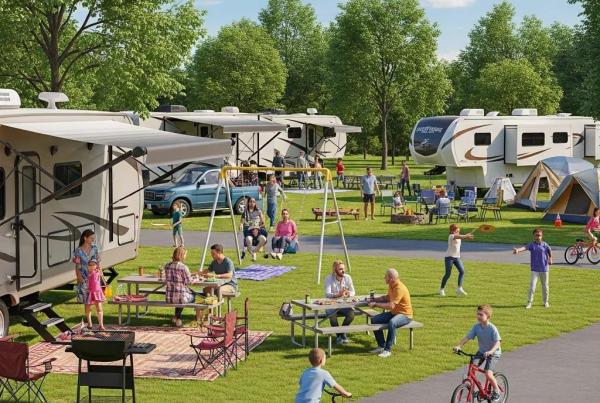
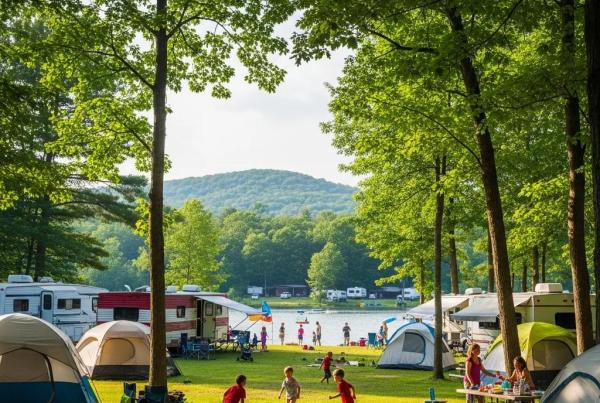
Seasonal camping means keeping the same campsite for a large portion of the season—usually under one seasonal permit or site agreement—so you don’t have to make nightly reservations or pack up every weekend. In Michigan, seasonal sites are popular because they combine steady access to lakes, trails, and parks with potential cost savings and a built-in community for families and full-season RVers. This guide walks through the real benefits of seasonal camping here, explains how Michigan State Park rules shape long-term stays, compares state-run sites to private seasonal campgrounds, and gives a step-by-step approach to securing a seasonal site. You’ll also find practical checklists for choosing full-hookup spots, prepping an RV for months on-site, and getting the most from family programs. Along the way we reference the Michigan Department of Natural Resources, the Waterloo State Recreation Area, and nearby private options so you can weigh public and private seasonal choices in Michigan.
What Are the Key Benefits of Seasonal Camping in Michigan?
Seasonal camping removes the constant setup and teardown—so your campsite becomes a reliable base for the season. That continuity cuts down on travel time and many repeated fees, and it makes it easy to keep gear and toys in place between visits. Over time, seasonal living also builds a neighborhood feel: regular events, friendships among neighbors, and routine activities for kids and adults. Those practical conveniences plus the emotional comfort of a steady outdoor home make seasonal camping especially appealing for families and people who want predictable outdoor time close to nature.
Below are the main advantages you’ll notice right away and over the course of a season.
- Lower overall costs and fewer reservation headaches for frequent users.
- Set-and-forget convenience with permanent site setup and less driving.
- Organized community programs and dependable family routines.
- Easy access to local recreation like trails, fishing spots, and swimming areas.
These benefits set the stage for the cost comparisons, rules, and programming details we cover next to help you estimate savings and lifestyle improvements.
How Does Seasonal Camping Save You Money Compared to Short-Term Stays?
Rather than paying nightly rates repeatedly, a seasonal permit replaces many short stays with one seasonal fee—often lowering the effective nightly cost over time. Seasonal permits can smooth out those pricey holiday weekends and reduce the fuel and wear-and-tear tied to frequent site changes. You’ll also avoid repeated reservation fees and spend less time setting up, which adds up. In practice, seasonal sites let you plan fixed costs and often beat the total of many short stays.
To estimate savings, compare your expected nights to the seasonal fee and add avoided costs like extra fuel, reservation fees, and the value of your time. That math makes it clear whether a seasonal site or multiple short bookings fits your budget and routine.
What Community and Family Activities Enhance the Seasonal Camping Experience?
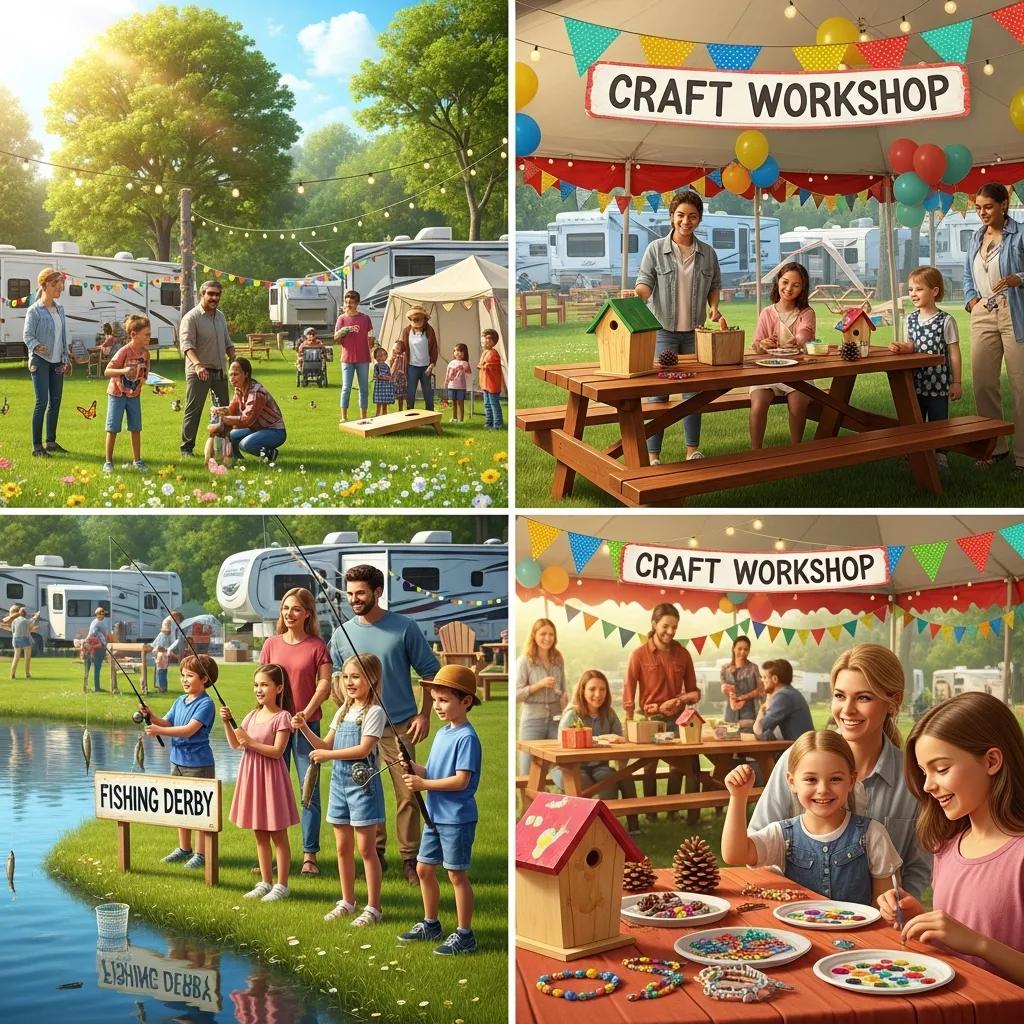
Seasonal campgrounds often run repeat weekend events, kids’ programs, and themed gatherings that give families predictable social opportunities. Common activities include holiday cookouts, fishing derbies, nature programs, craft workshops, and group hikes or trail rides. These events help kids make friends and give adults low-effort ways to socialize and share responsibilities like group maintenance or event planning. A steady calendar of programs adds real value to a seasonal site by supporting routines and creating traditions that families remember.
Having a reliable event schedule also makes it easier to plan vacations around on-site activities and helps new seasonal campers settle in quickly. Next we’ll look at the state rules that set the boundaries for these community benefits.
How Do Michigan State Park Seasonal Camping Rules Affect Your Stay?
State park seasonal rules dictate who may occupy a site, how long stays can last, and which types of equipment are allowed. The Michigan Department of Natural Resources sets stay limits, reservation windows, and permit types that affect eligibility and compliance. Knowing those rules keeps you from fines or removal and helps you plan utilities, site changes, and community participation correctly. In short, state-managed seasonal sites give predictable access but operate inside a regulated framework that’s different from private campgrounds.
Here’s a compact reference of common policy areas to check before you apply for a state park seasonal permit.
What Are the Stay Limits and Reservation Policies for Seasonal Sites?
Parks publish seasonal permit dates and open application windows where you submit your application or join waitlists. Stay limits usually align with Michigan’s camping season—spring through fall—and parks will list allowed arrival and departure dates that can differ by location. Reservation systems may use lotteries or first-come-first-served models and require documentation and deposits. Knowing how the process works helps you prepare paperwork, pick backup options, and respond quickly if you land on a waitlist.
Next we explain how the Michigan DNR enforces these rules and where to watch for official updates.
How Does Michigan DNR Regulate Long-Term RV Camping in State Parks?
The Michigan Department of Natural Resources manages long-term RV camping with permits, periodic site checks, and published guidance on equipment and site use. Enforcement often includes inspections, sanitation requirements, and adherence to occupancy dates in your permit—violations can mean fines or loss of seasonal privileges. Stay current with DNR announcements and keep your paperwork handy to ease renewals and interactions with park staff. Following the rules protects your seasonal status and helps keep the community and natural resources safe.
Understanding those expectations helps you decide whether a state park permit or a private seasonal campground better matches your needs—a comparison we cover next.
What Are the Differences Between Private Seasonal Campgrounds and Michigan State Parks?
Private seasonal campgrounds and Michigan State Parks differ in amenities, reservation flexibility, cost structure, and programming. Private campgrounds tend to offer higher service levels—full hookups, scheduled events, and family programming—while state parks emphasize natural settings and consistent permit rules. Reservation flexibility is usually greater at private sites, where managers can craft seasonal agreements, while state parks stick to formal application windows and rules. These differences frame the tradeoffs between convenience and public-land access.
The table below highlights common contrasts to help you decide which setting fits your priorities when looking for a seasonal site.
How Do Amenities and Services Compare at Private Campgrounds Like The Oaks?
Private campgrounds such as The Oaks Campground by GatherGrounds typically focus on seasonal families and full-season RVers with amenities like full-hookup seasonal sites, playgrounds, pavilions, and water recreation. The Oaks, on roughly 160 acres next to the Waterloo State Recreation Area, centers on family camping and community events and features a large fishing pond, over 120 acres of golf cart riding trails, and a swimming lake with a sandy beach; a Wibit water park was planned for 2024. Those conveniences consolidate recreation, utilities, and programming in one managed place—making seasonal living easier while keeping you close to state-managed natural areas.
Pointing to The Oaks shows how private campgrounds can complement the access offered by state parks. Next we’ll explain why being near Detroit or Ann Arbor can be a big plus for many seasonal campers.
What Are the Advantages of Choosing Private Seasonal Campsites Near Detroit and Ann Arbor?
Private seasonal campgrounds near Detroit and Ann Arbor cut drive times for frequent weekend use and provide easy access to regional services and attractions you won’t find in remote parks. Shorter trips mean less fuel and more spontaneous visits, which is great for part-time seasonal campers juggling city life and outdoor time. Nearby private sites often cater to commuters and families who want the stability of a seasonal campsite without long drives—while still offering trails and water for recreation. Choosing a spot near metro areas can give you the best of both worlds: city convenience plus rural recreation.
Those geographic advantages affect reservation choices and readiness, which brings us to the checklist for evaluating seasonal RV sites.
What Should You Look for in Seasonal RV Sites in Michigan?
When evaluating seasonal RV sites, focus on infrastructure that supports long-term comfort—full hookups, solid site pads, winter access options, and on-site storage reduce maintenance and improve livability. Location details—like flood risk, shade, and trail access—also matter, so visit sites in person when you can. Operational features such as a dump station, potable water, and clear winterization policies tell you whether a site suits full-season living or only part of the season. These practical checks make comparing state park and private campground options much easier.
Here’s a simple checklist that maps common amenities to why they matter and what to expect.
This checklist highlights the essentials; next we explain why full-hookup sites are often worth prioritizing for seasonal use.
Why Are Full Hookup Sites Important for Long-Term RV Camping?
Full-hookup sites give continuous water, electricity, and sewer connections, which make daily life far simpler—no hauling water or constant tank dumping. Those three elements—water, electric, sewer—let you run appliances, heating, and other systems so the RV behaves more like a permanent home. For families or full-season RVers, full hookups reduce the operational hassle and sanitation risks that come with partial connections. Minimalists or short-season campers might be fine without full hookups, but for long-term comfort they usually add real value.
Checking hookup quality is a key part of getting ready for a seasonal site—covered next with a preparation checklist and timing tips.
How Can You Prepare Your RV for a Seasonal Stay in Michigan?
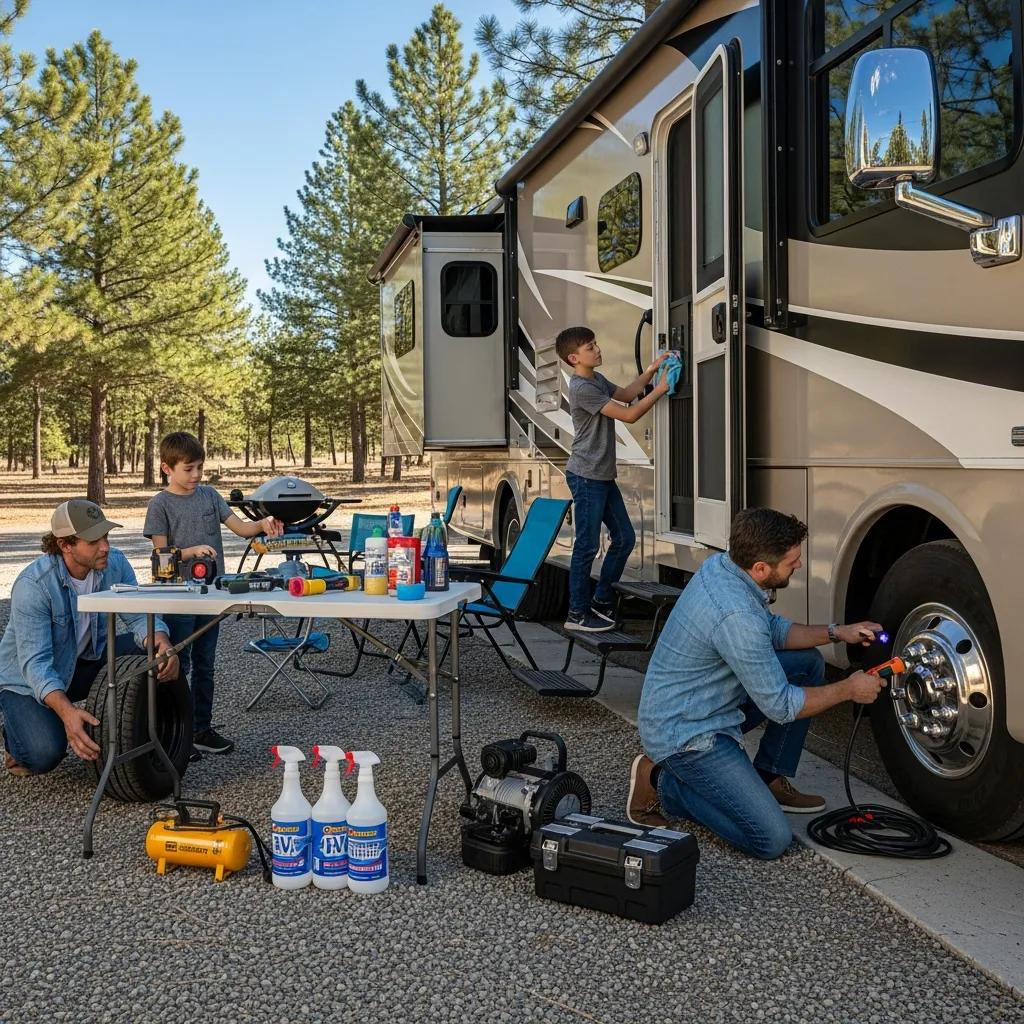
Get your RV ready with a focused pre-season checklist: inspect seals and tires, service the HVAC and plumbing, test electrical systems, and winterize or de-winterize based on your arrival dates. Safety checks should include carbon monoxide and propane detectors, and you may need to sort mail or delivery permissions and insurance or off-season storage. Aim to complete major inspections six to eight weeks before arrival and schedule repairs early to avoid peak-season backlogs. Being proactive lowers the odds of in-season problems and makes the move-in smooth.
With the rig prepared, families can focus on programming and routines that make seasonal life fun and easy—covered next.
How Can Families Make the Most of Seasonal Camping at Michigan State Parks?
Families get the most from seasonal camping by building routines and kid-friendly programs into weekly life—turning the campsite into a home base for outdoor learning, play, and shared chores. Simple traditions—weekly potlucks, fishing mornings, or craft nights—create reliable rhythms kids look forward to and parents can plan around. Good safety planning—covering water supervision, trail boundaries, and emergency steps—keeps everyone secure while encouraging exploration. Those routines boost the emotional rewards of seasonal camping and deepen family bonds all season long.
Below we list common kid-focused activities and how camps and private operators structure them to build friendships and skills.
What Kid-Friendly Activities and Events Are Available for Seasonal Campers?
Seasonal campgrounds and nearby state parks often run nature walks, arts-and-crafts sessions, supervised water games, and seasonal festivals that engage kids of all ages. These programs give children chances to make friends and learn outdoor skills—fishing, map reading, and basic conservation. Private campgrounds with family focus typically add playgrounds, fishing ponds, and planned weekend events to create a predictable calendar parents can use for scheduling time off or visits. Regular programming helps families structure summer learning and play while strengthening campsite community ties.
Organized programs support memory-making and daily rhythms—covered next with tips for turning the season into lasting family traditions.
How Does Seasonal Camping Create Lasting Family Memories?
Seasonal camping creates memories through repeated rituals—weekly routines, annual events, and milestone celebrations that grow into family traditions. Involving kids in campsite tasks like meal prep, organizing group activities, or leading a short nature walk teaches responsibility and builds shared stories. Keep the season alive by documenting it with photos, a shared journal, or a family scrapbook. Those simple practices turn routine outdoor time into lasting family narratives.
Families who value these traditions often find private campgrounds’ family amenities especially helpful. The final major section explains how to secure seasonal sites or find alternatives if state options aren’t available.
How Do You Reserve and Secure Seasonal Campsites in Michigan State Parks?
Reserving a seasonal campsite means following published application cycles, gathering required documents, and understanding deposit and payment rules so you can lock in a permit when one becomes available. Many parks use first-come-first-served or lottery systems and keep waitlists for limited seasonal slots—so check official calendars and apply early. Budgeting for a seasonal site means comparing posted fees with private campground rates and factoring in indirect savings like less travel. If state park permits are full, private seasonal campgrounds are a practical alternative with different booking rules and on-site support.
Here’s a straightforward timeline that sums up the typical reservation process for state park seasonal permits and the practical steps to take.
- Prepare documentation and list preferred site options before application windows open.
- Submit applications early during the reservation window or join waitlists.
- Watch for confirmations and pay any required deposits to secure the permit.
- Plan site setup and logistics after permit approval and before arrival.
This timeline helps you stay organized; next we cover application timing and tips that improve your chances.
What Is the Application Process and Timeline for Seasonal Camping Permits?
Applications typically open on dates the park publishes and may ask for site numbers, rig details, and payment info. If you miss the initial window, join a waitlist and stay flexible on site choice to increase your odds. Practical tips: have RV documents ready, be reachable for short-notice openings, and follow official announcements for any extra allocations. Flexibility and preparation are often the difference between getting a seasonal spot and staying on the waitlist.
If state park options don’t work, private campgrounds often offer alternate booking paths—covered next with strategies for monitoring availability and comparing costs.
How Can You Navigate Michigan DNR Seasonal Camping Availability and Costs?
To track availability, monitor official reservation channels during published windows and use waitlists or alert tools where available; being open about start dates and site choices improves your chances. For costs, compare the total seasonal fee to your expected nights, add likely savings for fuel and setup time, and weigh private campground prices and amenities. When state permits aren’t available or don’t fit your needs, private seasonal campgrounds can be a strong alternative—offering managed full hookups, family programming, and flexible agreements that may better match your lifestyle.
For many campers, on-site management and proximity to urban centers are deciding factors when choosing between Michigan State Parks and private seasonal campgrounds like The Oaks Campground by GatherGrounds.
Frequently Asked Questions
What should I consider when choosing between state parks and private campgrounds for seasonal camping?
Think about amenities, reservation flexibility, and the type of community you want. State parks usually offer natural settings with basic services, while private campgrounds often provide full hookups, organized activities, and more hands-on management. Consider how close you need to be to services, whether you want a social campground, and how much management or convenience matters to you. Those priorities will point you to the best fit.
Are there specific regulations for RV sizes at Michigan State Parks?
Yes. Many state parks limit RV size—commonly up to 40 feet—but rules vary by park. Check the specific park’s guidelines before reserving to make sure your RV complies. Some parks also restrict trailers and tents, so confirming site compatibility ahead of time avoids surprises on arrival day.
How can I ensure my RV is ready for a seasonal stay?
Do a full pre-season check: inspect seals and tires, service HVAC and plumbing, test electrical systems, and handle winterizing or de-winterizing as needed. Test detectors for carbon monoxide and propane, sort insurance and delivery permissions, and book any repairs well before your arrival date. Getting these steps done early keeps mid-season headaches to a minimum.
What types of family-friendly activities can I expect at seasonal campgrounds?
Expect nature hikes, arts and crafts, fishing derbies, supervised water games, and seasonal festivals. Private campgrounds often add playgrounds and planned weekend events to create a steady calendar. These activities help kids make friends and keep families busy with low-effort, repeatable options throughout the season.
How do I handle mail and deliveries while camping seasonally?
Arrange mail forwarding or use a local address if possible. Some campgrounds accept packages—check their policy first. You can also have a friend or family member collect important mail. Verify any delivery rules or permit requirements with the campground to avoid lost packages.
What are the best practices for maintaining a seasonal campsite?
Keep a routine for site upkeep: check utilities, manage waste, maintain lawn or cleared areas, and inspect equipment regularly. Share responsibilities with neighbors for common areas and events to build community and keep the campground tidy. Regular maintenance protects your investment and makes the season more enjoyable.
What should I do if I can’t secure a seasonal site at a state park?
Look to private campgrounds as a solid alternative. Many offer flexible seasonal agreements, full hookups, and extras that match seasonal living needs. Keep watching waitlists for state parks and be ready to act quickly if a spot opens. Research nearby campgrounds to find options that suit your budget and lifestyle.
Conclusion
Seasonal camping at Michigan State Parks can deliver real convenience, cost savings, and a strong sense of community—perfect for families and full-season RVers who want predictable outdoor time. By learning the benefits, rules, and practical differences between state and private sites, you can choose the option that fits your lifestyle and budget. Start planning, weigh your options, and secure the seasonal site that will let you build traditions and memories in Michigan’s beautiful outdoors.