

Seasonal RV Parks & Family-Friendly Camping in Michigan — Your Guide to Long-Term and Annual Sites
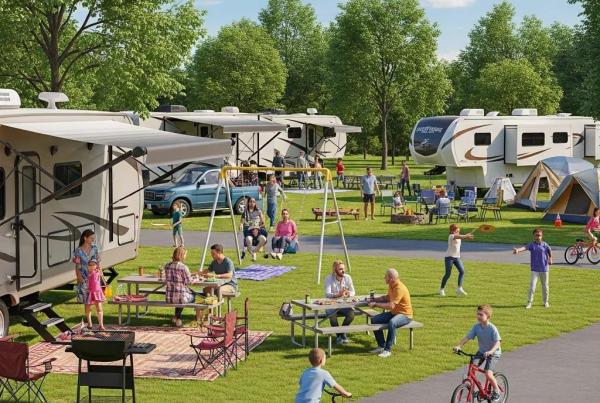
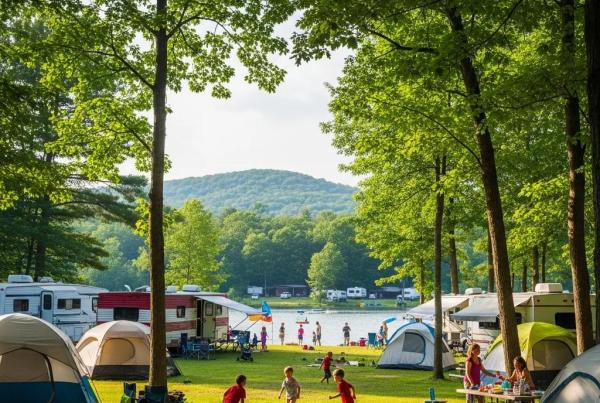
Seasonal RV sites give families a steady, familiar place to call home for weeks or months—less time setting up, more time enjoying the campground. This guide walks through what seasonal sites are, why families around Detroit and Ann Arbor are choosing them more often, and how to evaluate long-term or annual options. You’ll find practical tips on saving time and money, comparing amenities and costs, and steps to reserve a site. If you want a local example, The Oaks Campground by GatherGrounds in Munith, Michigan, offers seasonal RV sites with family-friendly features like a fishing pond, playgrounds, golf cart trails, and community events. Keep reading for clear definitions, amenity comparisons, budgeting advice, booking checklists, community tips, and answers to common operational questions to help your family pick the right seasonal RV park.
What Are Seasonal RV Sites and How Do They Benefit Families?
Seasonal RV sites are campground spaces reserved for extended stays—often weeks, months, or an entire camping season. Unlike nightly or weekly spots, seasonal sites give you a steady location, fewer repeated hookups, and access to ongoing programs. Practically, they cut down on setup and teardown, guarantee a familiar spot each visit, and may include on-site storage or winterization services. For families, that stability means reliable access to kid-friendly amenities, easier planning for school breaks or multi-week trips, and more chances to build connections with neighbors. Here are the main ways seasonal sites help families.
Seasonal RV sites help families in several concrete ways:
- Time Savings: Less frequent setup and teardown lets you spend more time doing what matters.
- Community: Regular neighbors and scheduled events make it easy to form friendships and routines.
- Amenities Access: Consistent use of playgrounds, ponds, and trails makes family days simpler and more fun.
- Cost Predictability: A seasonal agreement can stabilize lodging expenses compared with repeated nightly stays.
Knowing the difference between seasonal, long-term, and repeated short stays helps you pick the arrangement that best fits your family’s schedule and budget.
Understanding Seasonal and Long-Term RV Camping Options in Michigan
Seasonal camping usually covers a defined warm-weather season—spring through fall—while long-term or annual sites can extend year-round but often require winter storage or winterization. In Michigan, weather and local rules shape when parks open and close; many sites come online in late spring and close in the fall to avoid freeze/thaw issues. Typical seasonal hookups include electricity and water, and some sites offer sewer. Annual leases may allow site improvements or storage options. Knowing local timelines and available services will help you decide whether a seasonal or longer-term setup fits your family’s needs.
Why Choose Seasonal Camping for Family Vacations Near Detroit and Ann Arbor
Seasonal sites close to Detroit and Ann Arbor give families faster access to outdoor time without long drives—usually a 30–90 minute trip to nearby green spaces. That makes weekend getaways and day trips easier, and it simplifies planning around school breaks and multi-generational visits because you’re not moving an RV every week. A fixed site near urban centers also makes supply runs and emergency needs quicker to handle, while local attractions mean plenty of options for day outings.
Which Family-Friendly Amenities Enhance Seasonal Camping Experiences?
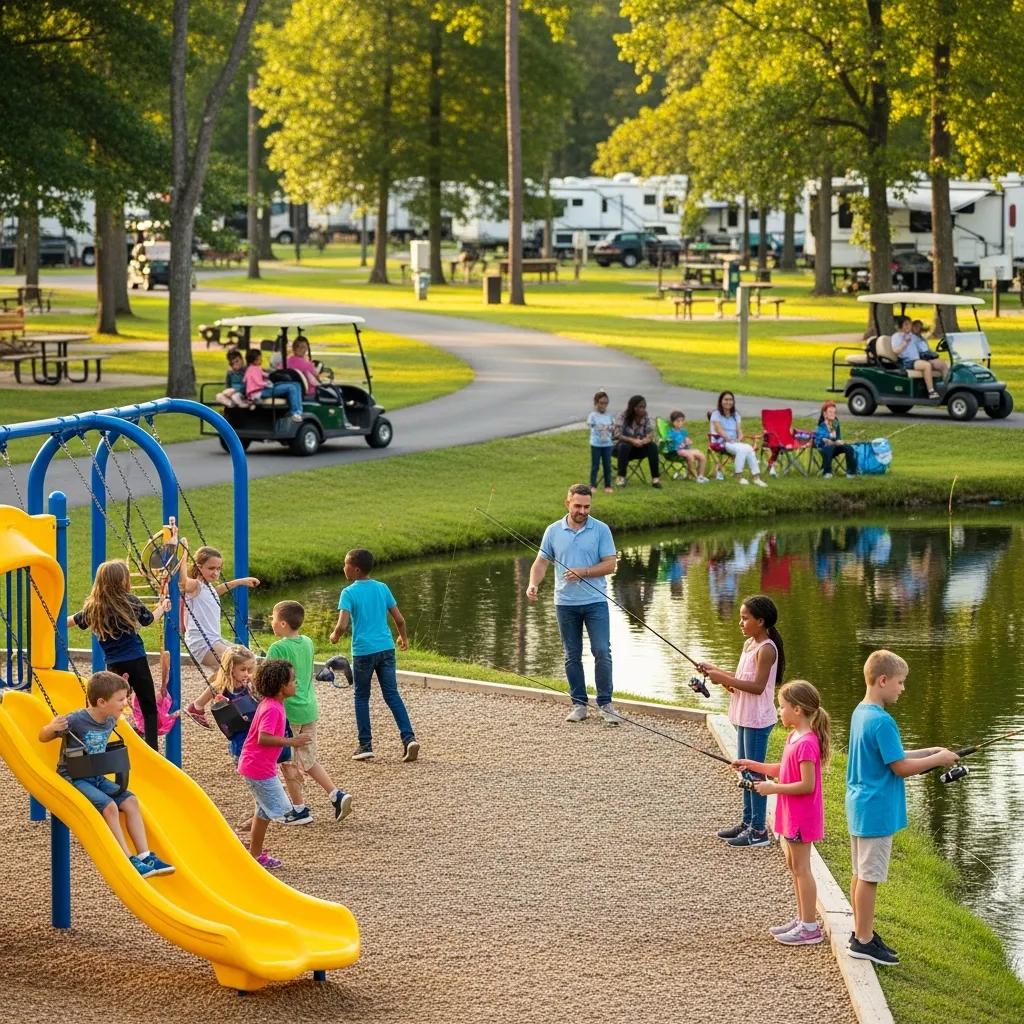
Good family amenities create safe places for kids to play, activities for all ages, and conveniences that make daily life easier on site. When you’re evaluating parks, look for a mix of active options and quiet spaces plus services that reduce parental chores—things like nearby restrooms, covered pavilions, and clear trails. The quick table below shows common family amenities and how families typically use them.
Exploring Amenities Like Fishing Ponds, Playgrounds, and Golf Cart Trails
These amenities are practical pieces of a family campground: ponds offer easy, supervised fishing; playgrounds keep kids active and social; and golf cart trails help families move safely across a larger property. They make planning simpler, encourage outdoor learning, and lower stress for parents. When choosing a park, check safety measures—fencing by water, safe surfacing at play areas, and posted golf cart speeds—and read amenity rules so your family can enjoy them safely.
Upcoming Attractions: The Wibit Water Park and Community Events at The Oaks Campground
New attractions and regular events give families fresh reasons to stay season after season. For example, The Oaks Campground has announced a planned Wibit water park for 2025 that will add a big summer draw for kids and parents. Community programming—like themed weekends, holiday parties, and family game nights—creates predictable opportunities to meet neighbors and join activities. When comparing parks, ask about upcoming amenities and event calendars so you can choose a site that matches your family’s interests for the year.
How Can Families Find Affordable Seasonal RV Sites in Michigan?
Finding affordable seasonal sites takes a mix of planning, comparison, and knowing where the costs come from. Start with a clear budget and a list of must-have amenities, then compare parks for seasonal discounts, payment plans, and off-peak options. When assessing value, include site fees, utilities, event charges, and storage or winterization costs—and compare those totals to the cost of repeating short stays. The table below helps illustrate trade-offs between a seasonal site and alternative lodging approaches.
Seasonal RV Site Rates and Availability at The Oaks Campground
The Oaks Campground by GatherGrounds in Munith, Michigan, centers seasonal RV sites for families who want long stretches on property with shared programming and amenities. Availability usually follows Michigan’s seasonal rhythm—booking interest peaks in spring and early summer—so reach out early to learn about seasonal site releases and deposit rules. For exact rates and current openings, check The Oaks’ booking page or contact campground staff directly. Early questions often lead to better site choices and clearer payment options.
Comparing Seasonal Camping Costs Versus Traditional Vacations
When you compare seasonal camping to a standard vacation, look at lodging, travel, food, activity fees, and incidentals. Seasonal stays often lower lodging volatility and reduce travel frequency because you return to the same site; cooking in your RV typically cuts dining costs. But remember to include utilities, site fees, any storage, and winterization expenses. Below are the main cost drivers and common savings opportunities to help you decide if a seasonal setup makes financial sense for your family.
Key cost drivers and savings areas:
- Lodging Fees: Seasonal contracts can lower per-night averages vs. frequent nightly stays.
- Food Costs: Cooking in your RV reduces restaurant spending.
- Travel Costs: Fewer trips mean less fuel and wear on vehicles.
- Amenity Fees: Special events or attractions may add costs but boost value and enjoyment.
Overall, seasonal camping can save money for families who plan multiple visits per season and who value the convenience and community that a reserved site provides.
What Is the Booking Process for Seasonal RV Sites at Family Campgrounds?
Booking a seasonal site usually follows a familiar sequence: research, contact the park, choose a site, submit a deposit and paperwork, sign the contract, and coordinate move-in. Parks commonly ask for RV specs, proof of insurance, and agreement to campground rules. Some require a security deposit or a signed seasonal agreement that spells out payment terms and site responsibilities. Start your process months before peak season to improve your chances of a preferred site. The numbered list below summarizes the typical flow.
Booking steps overview:
- Research and Identify Priorities: List must-have amenities and ideal site locations.
- Contact Campground Early: Ask about seasonal availability and request a site map.
- Review Contract Terms: Understand deposits, payment schedules, and park rules.
- Submit Deposit and Documentation: Provide RV specs and insurance information.
- Coordinate Move-In: Schedule arrival, get a site orientation, and confirm hookups.
Step-by-Step Guide to Reserving Your Seasonal Site at The Oaks Campground
Reserving a seasonal site at The Oaks Campground by GatherGrounds follows the general booking steps with a few on-property specifics. Reach out during the campground’s pre-booking window to see which site types are available across the 160-acre property and to find locations near playgrounds or trails. Be ready to share RV specifications and proof of insurance, and ask about deposit amounts and payment plans. Once your reservation is confirmed, set move-in dates and ask for an orientation and an events calendar so your family can plug into activities right away. Starting early gives you a better shot at the sites and amenities you prefer.
Tips for Early Booking and Securing Annual Sites Near Detroit
Near Detroit and Ann Arbor, demand can be high, so timing and flexibility help. Begin inquiries in late winter or early spring, have backup site choices, and consider asking seasonal neighbors or staff about upcoming openings. Being open to payment plans, willing to accept a non-premium site at first, or aligning move-in dates with park seasons can improve your chances. Keep written records of all communications and contracts, and confirm community rules—especially around pets, visitors, and utilities—before you finalize anything. These steps make it easier to secure a great spot and position your family well for future renewals.
How Does Seasonal Camping Foster Community and Family Bonding?
Seasonal camping naturally builds social ties because families keep returning to the same place and see the same neighbors. Regular events and themed weekends create easy ways to meet people and build traditions over time. The result is a neighborhood-style feel where kids form friendships, parents trade tips, and multiple generations coordinate visits. Those social benefits add to the practical advantages of a seasonal site. Here are common event types that help build community and strengthen bonds among seasonal campers.
Common event formats that support community:
- Themed Weekends: Holiday or activity-focused weekends that invite everyone to join.
- Crafts & Family Workshops: Simple projects that kids and adults can enjoy together.
- Friendly Competitions: Game nights, fishing derbies, and scavenger hunts for family fun.
- Community Meals: Potlucks and pavilion dinners that bring neighbors together.
Participating in The Oaks Campground’s Themed Weekends and Social Events
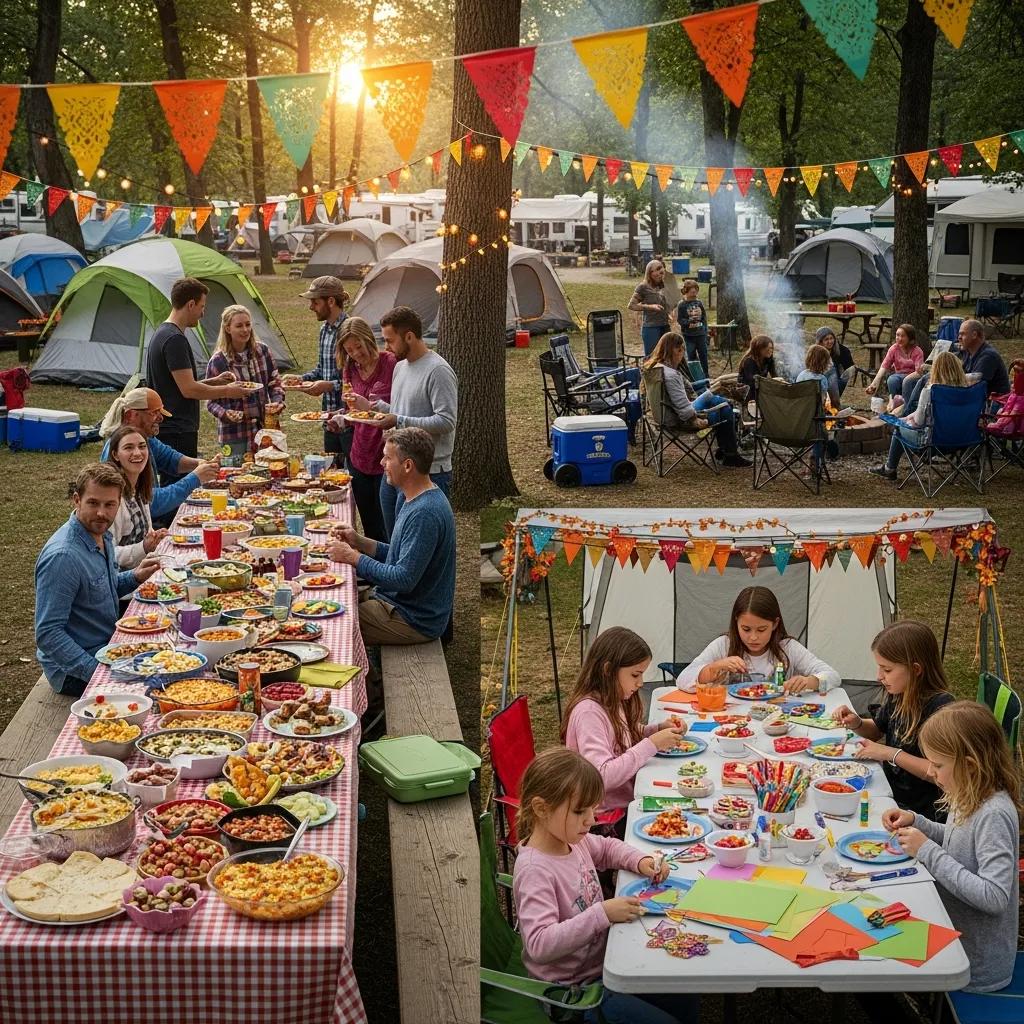
At The Oaks Campground, weekend events and themed activities are a big part of the seasonal rhythm. Family-friendly gatherings—like craft sessions, small competitions, and holiday celebrations—use pavilion space and community planning to bring people together. New seasonal families often arrive early in the season to meet neighbors and review event schedules so they can get involved. Joining events adds non-monetary value to a seasonal site by creating memories and routines that keep families coming back.
Building Lasting Memories Through Multi-Generational Camping Experiences
Multi-generational stays create moments everyone remembers: pond-side fishing with grandparents, playground afternoons with cousins, and slow hikes with the whole clan. When planning multi-generational trips, choose sites with easy access to common areas, restrooms, and pavilions to accommodate different mobility needs. Activities that span ages—group picnics, storytelling evenings, or gentle guided walks—help build family traditions and strengthen community ties across seasons.
What Are Common Questions About Seasonal RV Camping in Michigan?
Prospective seasonal campers ask about pet rules, visitor policies, storage and winterization, and nearby attractions. Clear answers to these operational questions make the choice easier and reduce surprises. Policies on pets and visitors balance safety with enjoyment, and storage or winterization options vary—especially in Michigan’s climate, where off-season planning is essential. Confirm local regulations, on-site services, and event calendars before signing a seasonal agreement so your chosen site meets your family’s needs. The short Q&A below covers frequent concerns and points you toward when to contact campground staff for specifics.
FAQs on Pet Policies, Visitor Rules, and Storage Options
Families commonly ask whether pets are allowed, how many overnight guests are permitted, and whether the park offers on-site storage or winterization. Many family-focused campgrounds welcome pets with leash and cleanup rules and may limit or require registration for overnight visitors to protect the community. Storage and winterization can be an added service or something you arrange off-site—Michigan’s winters make planning for that early essential. For exact policies—visitor registration, event participation rules, and storage pricing—contact The Oaks Campground directly to get current details.
Understanding Seasonal Camping Regulations and Local Attractions
Regulations may include limits on year-round residency, requirements for vehicle registration and insurance, and rules about site improvements or off-site storage. These policies protect campground operations and neighboring seasonal campers. Ask campground management about any regulations that affect your plans and explore nearby attractions—like Waterloo State Recreation Area—to plan day trips that complement your stay. Confirming rules and mapping local recreation options helps you get the most from your seasonal experience while staying compliant.
Frequently Asked Questions
1. What should families consider when choosing a seasonal RV park in Michigan?
Look at location, amenities, and the park’s community feel. Proximity to Detroit or Ann Arbor reduces drive time while keeping outdoor options close. Consider must-have features—playgrounds, ponds, event spaces—and visit or read reviews to get a sense of the park’s vibe. A welcoming community makes a big difference in enjoyment.
2. Are there specific seasonal RV parks that cater to families in Michigan?
Yes. Parks that advertise family amenities—like The Oaks Campground—often have playgrounds, fishing areas, and organized events. These parks focus on safe, engaging activities for kids and opportunities for families to connect. Compare what each park highlights to find the best fit.
3. How can families ensure they get the best rates for seasonal RV sites?
Start early and compare parks. Ask about discounts for longer stays, off-peak deals, and any hidden fees like utilities or event charges. Set a budget and prioritize the amenities that matter most so you can make a choice that fits both your needs and your wallet.
4. What types of community events can families expect at seasonal RV parks?
Common events include themed weekends, potlucks, craft workshops, and friendly competitions like fishing derbies or scavenger hunts. These gatherings help families meet neighbors, create memories, and enjoy activities designed for all ages.
5. How do families prepare for winterization of their RVs at seasonal parks?
Check whether the park offers winterization or storage. Typical tasks include draining water systems, cleaning the interior, and covering or storing the RV. Talk to campground staff about guidelines and fees so you can plan ahead and protect your RV during the off-season.
6. What are the benefits of participating in community events at seasonal RV parks?
Community events build connections, give families shared experiences, and make it easier to meet neighbors. They offer activities for every age and add non-monetary value to a seasonal site through friendships, traditions, and recurring fun.
7. How can families maximize their seasonal camping experience in Michigan?
Get involved in park events, plan regular day trips to nearby parks and recreation areas, and establish simple routines like communal meals or weekly game nights. Stay in touch with campground staff for updates on amenities and events so you don’t miss new offerings.
Conclusion
Seasonal RV parks in Michigan combine convenience, community, and value—an appealing mix for families who want extended outdoor time. With family-friendly amenities and regular events, seasonal sites help create lasting memories and easy routines. Explore options like The Oaks Campground to find a site that fits your family’s needs, then start planning your season of adventures together.