
“`html
Maximize Your Campground Sale: Strategies for Value and a Smooth Transition
Selling your campground is a significant decision, both personally and financially. It demands a clear strategy, thorough preparation, and a keen understanding of market dynamics to achieve the best possible sale price. This guide walks you through proven methods to sell your campground effectively. We cover everything from timing your sale and valuing your property using adjusted net operating income (NOI) and cap rates, to preparing checklists, navigating the selling timeline step-by-step, and planning for a smooth post-sale transition that honors your legacy and community. GatherGrounds Resorts, a family-owned direct buyer, specializes in thoughtful transitions and preserving the unique character of campgrounds. Our Campground Acquisition Service and valuation approach offer a direct-buyer alternative to traditional brokerage, providing a confidential, no-obligation conversation for owners exploring their options. Whether you’re nearing retirement, shifting priorities, or capitalizing on strong investor demand, you’ll find actionable steps here to enhance your sale price, shorten the closing period, and minimize transactional risks. This resource includes practical checklists, clear valuation examples, comparisons of selling routes, and guidance on managing due diligence and ensuring continuity for your staff and community, empowering you to make the best decision for your goals.
Why Consider Selling Your Campground Now?
Selling your campground now allows you to tap into active investor interest and favorable regional trends, which can lead to stronger offers and quicker closings. The current momentum in outdoor hospitality and RV park assets, combined with owner-specific factors like retirement or increasing maintenance demands, creates opportune moments to optimize your sale. Understanding these drivers helps you decide whether to prepare your property now or postpone to improve key metrics like occupancy and NOI. The following sections delve into market trends, timing strategies, and the distinct advantages of selling to a direct buyer versus a broker, helping you weigh your choices.
What Current Market Trends Affect Campground Sales?
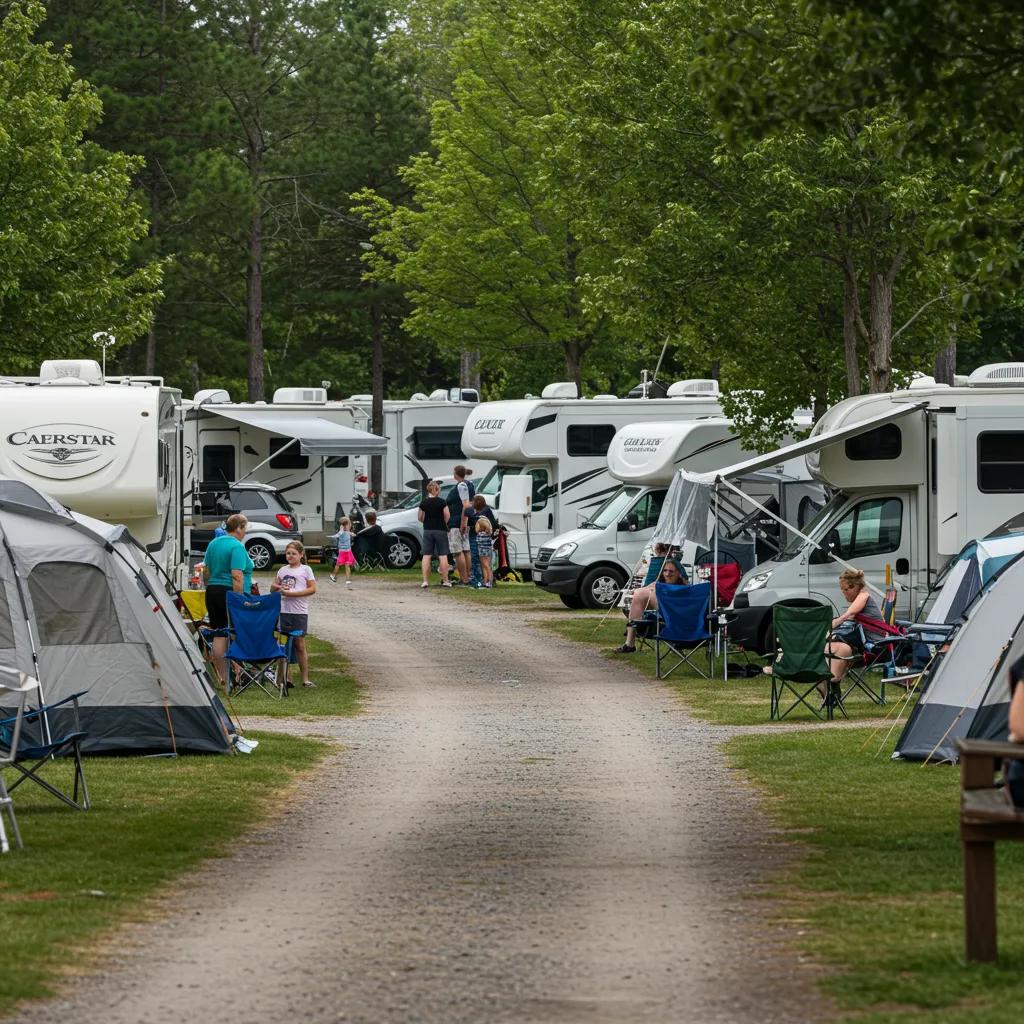
Campground sales are significantly influenced by the ongoing surge in RV travel and outdoor recreation, the growing appeal of unique stays like glamping, and the combined efforts of family operators and expanding investment groups. These trends fuel buyer competition for properties with consistent occupancy and up-to-date utilities, often driving higher valuations in desirable locations. Regional differences are also key: certain Upper Midwest markets, for instance, offer steady seasonal demand that attracts both family buyers and direct acquirers focused on continuity. By understanding how these trends shape the buyer landscape, you can prioritize capital improvements that yield the best return before putting your campground on the market.
How Does Timing Impact the Sale of Your RV Park or Campground?
Timing plays a crucial role in how your property is perceived, the availability of buyer financing, and your ability to showcase a strong operating season. Listing your campground after a successful operating period often results in higher offers, as occupancy and revenue figures are current and verifiable. Interest rate cycles also affect buyer affordability—lower rates broaden the buyer pool and can compress cap rates, boosting valuations, while rising rates can constrain buyer budgets. Your listing strategy also matters: many sellers find better engagement when marketing begins in late winter or early spring, just before the peak booking season. This allows for showings during an active operational period and can expedite due diligence once offers are received.
What Are the Benefits of Selling Your Campground to a Direct Buyer?
Opting for a direct buyer often means a faster, more discreet process with fewer intermediaries, reducing the complexities and potential disruptions that can concern your staff and guests. Direct acquirers, especially those that are family-owned or operator-focused, frequently prioritize preserving the campground’s legacy and implementing transition plans that maintain community ties and guest experiences. Consider this anonymized example: an owner approached a direct buyer for a confidential valuation, completed a discreet site visit, and finalized the sale more quickly than a public listing would have allowed, all while retaining staff and the property’s unique character. This illustrates how a direct route can minimize disruption and preserve value.
How Do You Accurately Value Your Campground Before Selling?
Accurate valuation hinges on understanding income-based methodologies, market comparables, and how to adjust figures to present a normalized cash flow for buyers and lenders. The income or cash-flow approach, utilizing Adjusted NOI and a relevant market cap rate, is the primary method for operating campgrounds and RV parks, as it reflects their ongoing earning potential. Buyers and advisors also consider sales comparables and, where applicable, replacement cost. Appraisals offer an independent benchmark. Below, we compare these methods, explain the mechanics of Adjusted NOI with an example, and list the essential financial records that support a defensible valuation.
What Are the Main Campground Valuation Methods?
The primary valuation methods include the income approach (Adjusted NOI), sales comparables, replacement cost, and broker opinions of value. Each method has specific applications and limitations. The income approach is favored for operating parks because it quantifies the recurring cash flow that investors will capitalize. Comparables are useful when recent, similar sales exist but can be misleading if the properties differ significantly. Replacement cost typically sets a floor for value when income data is less robust, and broker opinions provide market context, though their precision can vary. The best method depends on the quality of available data, market activity, and the type of buyer.
Here’s a breakdown of valuation methods, their inputs, and typical outcomes:
How Does Adjusted Net Operating Income Influence Campground Value?
Adjusted NOI begins with your reported operating income and then adds back or subtracts non-recurring expenses, owner-specific benefits, and one-time capital expenditures to reveal the normalized cash flow available to a new owner. This normalized figure is then capitalized using a market cap rate: Valuation = Adjusted NOI ÷ Cap Rate. This formula provides a clear way to translate earnings into price. For instance, if your Adjusted NOI is $200,000 and the market cap rate is 8%, the implied value is $2.5 million. This demonstrates how even small shifts in NOI or cap rate can significantly impact the final value and your negotiation leverage.
How Do Market Trends and Cap Rates Affect Your Campground’s Worth?
Cap rates reflect investor expectations for returns and perceived market risk. Lower cap rates generally indicate higher valuations, while higher cap rates suggest lower values. In the current 2025 market, cap rate ranges for high-quality outdoor hospitality assets are often cited in the mid-to-high single digits, though specific rates vary based on location, revenue diversity, and property condition. Strong local demand and stable occupancy tend to lower cap rates, whereas higher perceived risk, financing challenges, or deferred maintenance can increase them. Sellers can improve their position by reducing perceived risk through better documentation and targeted capital projects that enhance revenue stability.
What Financial Records Are Essential for a Reliable Valuation?
A credible valuation requires organized, verifiable financial documentation. This includes 3–5 years of Profit & Loss (P&L) statements, corresponding tax returns, occupancy and Average Daily Rate (ADR) data, utility bills, maintenance logs, and vendor contracts. Lenders and buyers expect consistent record formats and supporting schedules that reconcile cash receipts with bank statements and point-of-sale records. Presenting summarized dashboards—a one-page P&L, occupancy trend charts, and a capital improvements log—helps buyers quickly assess opportunities and builds confidence during negotiations.
How Can You Prepare Your Campground for a Successful Sale?

Preparation involves both the physical condition of your property and its operational readiness. This includes addressing infrastructure, documenting permits, and streamlining financial presentations to make your campground attractive to buyers. Targeted maintenance and revenue-boosting improvements can significantly increase buyer confidence and lead to better offers. Organizing legal documents, permits, and utility records, along with following a prioritized pre-listing checklist, helps prevent surprises during due diligence and preserves your negotiation leverage. The following sections outline high-ROI improvements, essential legal documentation, record organization strategies, and a concise pre-listing checklist.
What Maintenance and Operational Improvements Attract Buyers?
Buyers prioritize reliable utilities and safe infrastructure. Therefore, repairing sewer, water, electrical hookups, and roadways typically offers the highest return on investment for sellers. Improvements that enhance the guest experience—such as clean restrooms, clear signage, attractive landscaping, and well-maintained amenities—can boost occupancy metrics and justify higher pricing. Low-cost, high-impact fixes like resealing roads, replacing worn picnic tables, and improving lighting signal a well-cared-for property and reduce buyer concerns about deferred maintenance. Always prioritize fixes related to safety and regulatory compliance first, then invest in amenities that encourage repeat bookings.
- Utility Reliability: Ensure water, sewer, and electrical systems are tested and documented.
- Site Safety: Repair roads, fire lanes, and lighting to meet codes and guest expectations.
- Guest Experience: Freshen restrooms, signage, and landscaping to boost occupancy appeal.
Which Legal Documents and Permits Are Needed to Sell a Campground?
Buyers will typically request business licenses, conditional use and land-use approvals, septic/wastewater permits, environmental disclosures, and copies of any leases or vendor agreements. It is crucial to identify any outstanding permit renewals and address potential zoning or environmental concerns before marketing your property. Resolving title issues, ensuring tax parcels are clear, and developing a permit renewal plan can significantly reduce transaction risk. Buyers often factor risk into their offers, so eliminating known issues helps preserve value.
How Should You Organize Financial and Utility Records for Sale?
Digitize your records and organize them in a structured folder system, placing summary dashboards at the forefront to facilitate rapid buyer review. A recommended structure includes folders for financials (P&L, bank statements, tax returns), occupancy and booking exports, permits and licenses, vendor contracts, and recent inspection reports. Use PDF for narrative documents and CSV/Excel for spreadsheets, allowing buyers to easily validate trends and run sensitivity scenarios. Providing a concise one-page P&L summary and occupancy trend chart in the main folder minimizes friction and demonstrates your preparedness.
- Financials: P&L, tax returns, bank statements.
- Operations: Occupancy, ADR, booking platform exports.
- Compliance: Permits, inspections, environmental reports.
What Checklist Should Campground Owners Follow Before Listing?
A prioritized pre-listing checklist ensures that high-impact items are addressed before you engage with buyers. This includes completing critical repairs, compiling and reconciling financial records, verifying permit status, and preparing seller disclosures and a property information packet. Decide whether you prefer confidential outreach to direct buyers or a public listing through a broker, and prepare a one-page property summary highlighting strengths and opportunities. Finally, plan your communications with staff and the community to maintain goodwill throughout the process and ensure stable operations through closing.
- Repairs & Infrastructure: Fix utilities and safety issues.
- Documentation: Compile 3–5 years of financials and permits.
- Marketing Prep: Create a concise property packet and summary.
- Transition Planning: Consider staff retention and owner involvement options.
What Is the Campground Selling Process From Inquiry to Closing?
The selling process follows a logical sequence: initial inquiry and valuation, site visits and offers, Letter of Intent (LOI) or purchase agreement, due diligence, negotiation, and closing. Each stage involves predictable documents and timelines; being proactive with your records and inspections can shorten each milestone. Selling to a direct buyer often follows a similar flow but can be streamlined for confidentiality and speed. The table below compares selling routes, and the following sections outline expected steps, due diligence items, and typical timeline windows to help set your expectations.
What Are the Key Steps When Selling to a Direct Buyer Like GatherGrounds?
When selling to a direct buyer like GatherGrounds Resorts, you can anticipate a confidential initial conversation, a preliminary valuation often based on Adjusted NOI metrics, a targeted site visit, a clear letter of intent, structured due diligence, and finally, closing with a well-planned transition. Direct buyers typically request focused documentation—financial records, permits, and a property tour—rather than extensive public marketing materials, allowing for discretion. GatherGrounds emphasizes legacy-preserving transitions that support staff continuity and community relationships. We encourage sellers to prepare basic property summaries and operating dashboards for the initial conversation.
How Does Selling Directly Differ From Using a Campground Broker?
Selling directly typically reduces public exposure, allows for more targeted negotiation with a single buyer, and can shorten timelines by avoiding broad marketing and multiple showings. However, it may limit the competitive bidding that can sometimes drive up prices. A brokered sale offers wider market reach, professional marketing, and potentially multiple offers that can increase price, but it involves commissions, broader disclosure, and longer timelines. Sellers should weigh the trade-off between wider market competition and the privacy, speed, and stewardship priorities offered by direct buyers.
What Due Diligence Should Sellers Expect During the Sale?
Buyers generally conduct financial verification, title review, site inspections, environmental assessments, and permit compliance checks. They will request 3–5 years of financials, bank statements, occupancy data, vendor contracts, and inspection reports. Preparing these materials in advance, scheduling known inspections before offers are made, and providing clear explanations for any anomalies can significantly shorten the due diligence window. Anticipating common buyer questions and providing succinct supporting documentation helps maintain momentum during negotiations.
How Long Does It Typically Take to Sell a Campground or RV Park?
Typical sale timelines range from six months to a year when using brokerage routes, due to the marketing and buyer search process. Direct sales can be faster, sometimes closing within a few months if the property is well-prepared and financing is readily available. Factors that can lengthen timelines include pricing misalignment, complex title or environmental issues, or buyer financing constraints. Conversely, strong documentation, realistic pricing, and a motivated buyer can shorten the process. Planning for contingencies and preparing a focused data room can accelerate progress at every stage.
Why Choose GatherGrounds Resorts for Your Campground Sale?
GatherGrounds Resorts is a family-owned professional campground management and ownership group that actively acquires quality campground and RV park properties, primarily in the Upper Midwest. Our approach centers on thoughtful transition processes and a commitment to preserving legacy and values, offering owners a confidential alternative to public listings. GatherGrounds provides a no-obligation conversation for owners considering retirement or exploring their options. Our acquisition process emphasizes operational continuity and community relationships. The following sections detail how we preserve legacy, the advantages of our family-owned model, our transition support, and how to initiate a confidential discussion.
How Does GatherGrounds Preserve Your Campground’s Legacy and Values?
GatherGrounds prioritizes practices that maintain property character, community ties, and guest experience continuity after purchase. This includes retaining key staff where appropriate, keeping signage and branding consistent initially, and implementing phased changes that respect local stakeholders. We use case-based approaches drawn from our portfolio transitions to ensure continuity—examples include gradual amenity updates and overlapping operational periods with outgoing owners. This stewardship mindset reduces community disruption and enhances the likelihood that the campground’s legacy continues under new ownership.
What Are the Advantages of a Family-Owned Direct Acquisition Approach?
A family-owned direct acquirer typically offers personalized negotiations, quicker decision-making, and a stewardship perspective that values long-term operational success over short-term flips, which can be common with some institutional buyers. This approach often leads to more flexible terms for sellers, simpler closing logistics, and a higher likelihood of preserving staff and community relationships. For owners who prioritize legacy preservation and sensitive transitions, a family-owned buyer can provide peace of mind and practical support during the handoff.
How Does GatherGrounds Ensure a Thoughtful Transition Post-Sale?
GatherGrounds structures transition plans that can include overlap periods, staff retention discussions, and optional owner consulting to transfer institutional knowledge and guest relationships. We work with sellers to create communication plans for guests and local stakeholders and to phase operational changes in a way that minimizes service disruption. Sample transition timelines commonly include an initial overlap, a staged operational handoff, and a post-close support window to ensure continuity and address emergent operational questions.
How Can You Start a No-Obligation Conversation With GatherGrounds?
Preparing for an initial confidential conversation involves having a basic property summary ready: site count, high-level financial performance, recent occupancy snapshots, and any notable permits or issues. Having this information readily available speeds up the preliminary valuation and helps focus the discussion. Sellers can expect a no-pressure valuation discussion that explores options and maintains confidentiality while outlining next steps should you wish to proceed. GatherGrounds invites owners to begin with a discreet conversation to understand potential fit and pathways forward for those considering retirement or a sale.
What Are the Current RV Park Market Trends and Investment Insights?
Current 2025 trends indicate sustained investor interest in outdoor hospitality, driven by resilient domestic travel demand, revenue diversification through glamping and seasonal rentals, and consolidator activity seeking scale. Macro factors like interest-rate direction and regional travel patterns influence cap rate expectations and financing availability, shaping both buyer appetite and pricing. Below, we examine investor types, financing sensitivity, and typical cap rate benchmarks to help sellers set realistic expectations and prioritize improvements that enhance appeal.
How Is Investor Interest Shaping Campground Sales in 2025?
Investor interest in 2025 spans family operators, regional consolidators, and institutional buyers selectively targeting stable cash-flowing assets, creating differentiated demand across property tiers. Increased competition for well-operated parks can lead to multiple offers in active markets, improving seller leverage. Conversely, niche or under-improved properties may attract strategic buyers seeking value-add opportunities. Sellers can signal strong buyer interest by showcasing stable occupancy, diversified revenue streams, and documented operational improvements.
How Do Interest Rates and Market Fluctuations Affect Sales?
Interest-rate movements impact buyer financing costs and, consequently, buyer bid levels and cap-rate expectations. Rising rates typically require buyers to accept higher cap rates, lowering valuations, while falling rates can compress cap rates and expand buyer pools. Market volatility may slow transaction flow as buyers reassess financing assumptions. Therefore, sellers should monitor rate trends and be prepared to adjust timing or offer seller-friendly financing solutions to bridge gaps. Strategic timing—aligning your listing with favorable rate windows or strong seasonal performance—can materially affect outcomes.
What Are Typical Cap Rates for RV Parks and Campgrounds Today?
In the current market, cap rate benchmarks for RV parks and campgrounds often fall within the mid-to-high single digits. Commonly cited ranges indicate 8%–12% for many assets, depending on quality, location, and revenue diversity. Higher-quality parks in strong leisure markets may trade at lower cap rates, closer to the 8% mark, while properties with operational risks or seasonal constraints might be at the higher end. Enhancing revenue stability and reducing perceived risk through documentation and maintenance can help a property achieve lower cap-rate benchmarks.
What Are Common Questions About Selling a Campground?
Sellers frequently ask how to sell effectively, what documents are needed, how value is determined, and how long the sale process takes. Clear, concise answers reduce uncertainty and help owners take concrete next steps. The answers below provide pragmatic guidance that owners can act on immediately, including preparation priorities, essential documents, valuation drivers, and realistic timeline expectations to support decision-making.
How Do I Sell My RV Park Effectively?
To sell effectively, prioritize accurate financial documentation, targeted repairs to critical infrastructure, and a clear choice between private outreach to direct buyers and public listing through a broker, based on your confidentiality and timing priorities. Prepare a concise property packet with 3–5 years of P&L, occupancy trends, permits, and a one-page executive summary highlighting strengths and opportunities. Engage trusted advisors early to validate pricing assumptions and to design a marketing or outreach strategy that aligns with your goals.
What Documents Are Needed to Sell a Campground?
Key documents include 3–5 years of P&L statements, tax returns, bank statements, occupancy and booking exports, utility bills, maintenance logs, vendor contracts, leases, and all relevant permits and inspection reports. Assemble these documents in a digital data room with a clear folder structure and provide a one-page P&L summary and occupancy trend chart for quick buyer review. Having environmental and title documentation ready, and addressing any red flags in advance, accelerates diligence and reduces buyer concerns.
How Is My Campground’s Value Determined?
Value is primarily determined by Adjusted NOI capitalized at an appropriate market cap rate, supplemented by sales comparables and the overall condition and location of the asset. Buyers normalize reported earnings through adjustments for owner benefits, one-time expenses, and nonrecurring items, then apply a cap rate informed by market trends and asset quality to derive value. Ensuring transparent, verifiable financials and documenting recurring revenue streams helps maximize valuation.
How Long Does the Selling Process Usually Take?
The selling timeline typically ranges from six to twelve months for brokered listings. Well-prepared direct sales can sometimes close in a few months if financing and due diligence proceed smoothly. Key variables include pricing realism, buyer financing availability, complexity of permits or environmental issues, and the thoroughness of pre-sale preparation. Accelerating the process is possible by preparing a complete data room, addressing obvious operational issues in advance, and having a realistic timeline for seller transition preferences.
Frequently Asked Questions
What Should I Do to Prepare My Campground for Sale?
Preparing your campground for sale involves both physical and operational readiness. Start by addressing any maintenance issues, ensuring utilities are reliable, and enhancing guest experience through clean facilities and well-maintained amenities. Organize your financial records, including 3–5 years of P&L statements and occupancy data, to present a clear picture to potential buyers. Additionally, create a prioritized checklist to ensure all necessary repairs and documentation are completed before listing, which can significantly enhance buyer confidence and potentially increase offers.
How Can I Ensure a Smooth Transition After Selling?
To ensure a smooth transition after selling your campground, consider developing a detailed transition plan that includes staff retention strategies and communication plans for guests and the local community. Collaborate with the buyer to create an overlap period where you can assist in the operational handoff, sharing institutional knowledge and maintaining relationships with guests. This approach not only preserves the campground’s legacy but also helps mitigate disruptions during the transition, ensuring continuity of service and community ties.
What Are the Common Mistakes to Avoid When Selling a Campground?
Common mistakes when selling a campground include inadequate preparation, such as failing to address maintenance issues or not organizing financial records. Overpricing the property based on emotional attachment rather than market realities can also deter potential buyers. Additionally, neglecting to communicate with staff and the community about the sale can lead to unrest and dissatisfaction. To avoid these pitfalls, conduct thorough market research, seek professional advice, and maintain transparency throughout the selling process.
How Do I Choose Between Selling to a Direct Buyer or a Broker?
Choosing between a direct buyer and a broker depends on your priorities. Selling to a direct buyer often offers a quicker, more confidential process with fewer fees, while a broker can provide broader market exposure and potentially higher offers through competitive bidding. Consider factors such as your timeline, the importance of confidentiality, and your willingness to engage in negotiations. Assessing your goals and the unique characteristics of your campground can help you make an informed decision that aligns with your selling strategy.
What Should I Expect During the Due Diligence Process?
During the due diligence process, buyers will typically review financial records, inspect the property, and verify compliance with permits and regulations. Expect to provide 3–5 years of financial statements, occupancy data, and any relevant inspection reports. Being proactive in preparing these documents can streamline the process and reduce delays. Anticipate questions from buyers regarding operational practices and be ready to explain any anomalies in your financials, as this transparency can help build trust and facilitate negotiations.
How Can I Maximize the Value of My Campground Before Selling?
To maximize the value of your campground before selling, focus on making strategic improvements that enhance guest experience and operational efficiency. Address any maintenance issues, upgrade amenities, and ensure that utilities are reliable. Additionally, improving your marketing materials and showcasing stable occupancy rates can attract more buyers. Conducting a thorough valuation to understand your campground’s worth and making necessary adjustments based on market trends can also help you set a competitive price that reflects its true value.
Conclusion
Successfully selling your campground requires a strategic approach that maximizes value while ensuring a smooth transition for all stakeholders involved. By understanding market trends, valuation methods, and the benefits of working with a direct buyer like GatherGrounds, you can navigate the selling process with confidence. Take the first step towards a successful sale by exploring your options with our team today. Your campground’s legacy deserves a thoughtful transition that honors its history and community connections.
“`