
What Buyers Want When Selling Campgrounds: A Complete Guide to Valuation, Preparation, and Direct Sales
Selling a campground means knowing what buyers are looking for, how valuation works, and how to get your property and records ready for the best possible outcome. This guide walks you through the core things buyers care about—site count, financial performance, location, your campground’s legacy, and its potential for growth. We’ll then dive into how valuation is done, covering Net Operating Income (NOI) and capitalization (cap) rates. You’ll learn the exact steps to prepare your property, what to expect during due diligence, and practical checklists that speak directly to buyer priorities. We also cover the advantages of selling directly and how a buyer focused on stewardship and modernization can make the transition smooth. Throughout, you’ll find examples, EAV tables, and actionable lists designed to help you get the most value, whether you go through a broker or sell directly. Our goal is to give you a buyer-first, practical roadmap so you can position your campground to sell competitively in today’s market.
What Do Campground Buyers Look For When Considering a Sale?
Buyers assess campgrounds by looking at both the property itself and how well it performs financially to figure out future returns. They want properties that bring in steady Net Operating Income and have clear paths for growth. Buyers use a method that connects physical features—like the number of sites and amenities—to revenue and costs, which helps them estimate NOI. This NOI then feeds into their valuation using a cap rate. For sellers, this means that things like the size of the campground, a good mix of different site types, and solid occupancy history can really boost offers. Here are the main things buyers focus on, organized so you can quickly understand and act on them. Knowing these priorities will help you understand the specific benchmarks and types of records buyers expect when they’re checking out an opportunity.
- Site Count and Mix: Buyers like scale because more sites mean lower overhead per site and more stable revenue.
- Financial Health: Consistent NOI and clean P&L statements reduce perceived risk and lead to better valuations.
- Location and Natural Features: Being close to attractions and having unique natural elements command higher rates and demand.
- Legacy and Community Goodwill: A good reputation and keeping your staff on board reduce transition risks and maintain guest loyalty.
- Growth Potential: Opportunities for redevelopment or adding new amenities increase future value and justify higher bids.
These priorities explain why buyers weigh hard numbers alongside how well the property has been cared for. The next sections will break down each priority in detail.
How Many Sites Should a Campground Have to Attract Buyers?
The number of sites is a key property feature that directly impacts how efficiently a campground can operate. Buyers typically look for campgrounds with enough sites to cover fixed costs through revenue from various site types. This is about economies of scale: a campground with more sites spreads management, utility, and marketing expenses across more revenue-generating units, lowering the cost per site. Many buyers specifically favor properties with 130 or more sites because lenders and operators see this as a baseline for achieving stable NOI. For sellers, showing a clear inventory of sites and the revenue generated per site by category—RV, tent, cabin—helps buyers more confidently model cash flows, often leading to better offers.
Buyers also look at the site mix because the revenue generated per site differs by type. This mix affects the average daily rate (ADR) and how they model occupancy, which directly influences the valuation scenarios buyers run during their initial assessment.
Why Is Financial Health Important to Campground Buyers?

Financial health refers to how clear and sustainable your revenue and expense streams are. Buyers use this information to turn current operations into projected NOI for valuation purposes. The process involves normalization: buyers adjust reported profits to remove owner-specific discretionary expenses and one-time items, so the stabilized NOI reflects typical market performance. Clean, consistent financials mean buyers perceive less risk, which can lead to tighter cap-rate expectations and a higher sale price. Sellers who provide several years of P&Ls, tax returns, occupancy logs, and bank statements make it easier for buyers to align historical performance with their projected cash flows.
Transparent accounting also smooths negotiations because fewer unknowns mean fewer due diligence contingencies and a faster path to a binding offer.
How Do Location and Natural Features Influence Buyer Interest?
Location and natural features are key indicators of market demand drivers that determine baseline occupancy and potential rates. Buyers assess these to estimate long-term revenue stability. The principle here is market gravity: being close to population centers, major highways, outdoor attractions, or waterfront access creates consistent demand and supports higher ADR and occupancy. Unique natural features—like lakefront access, trails, or scenic views—are strong selling points that often allow for premium pricing and better guest retention. Buyers will model seasonality and local demand elasticity when these features are present, which can lead to lower cap rates compared to less desirable locations.
Understanding exactly how your location drives demand allows you to focus your marketing, pricing strategies, and improvements to amplify those advantages.
What Role Does Legacy and Family Values Play in Buyer Decisions?
Legacy and family values represent intangible assets—brand goodwill, community relationships, and staff loyalty—that buyers may factor into the overall acquisition goodwill. The approach here is stewardship alignment: buyers committed to preserving traditions and retaining staff can reduce community opposition and maintain repeat business, leading to sustained revenue. Buyers might pay a premium or offer more flexible transition terms if a property has a strong reputation and community ties, as these factors lower integration risk and protect the customer base. For sellers, documenting guest feedback, community events, and staff tenure provides evidence of this intangible value that buyers can consider in their offers.
Exploring legacy considerations naturally leads into how buyers evaluate a property’s potential for growth and longer-term development.
How Does Growth Potential Affect Buyer Appeal?
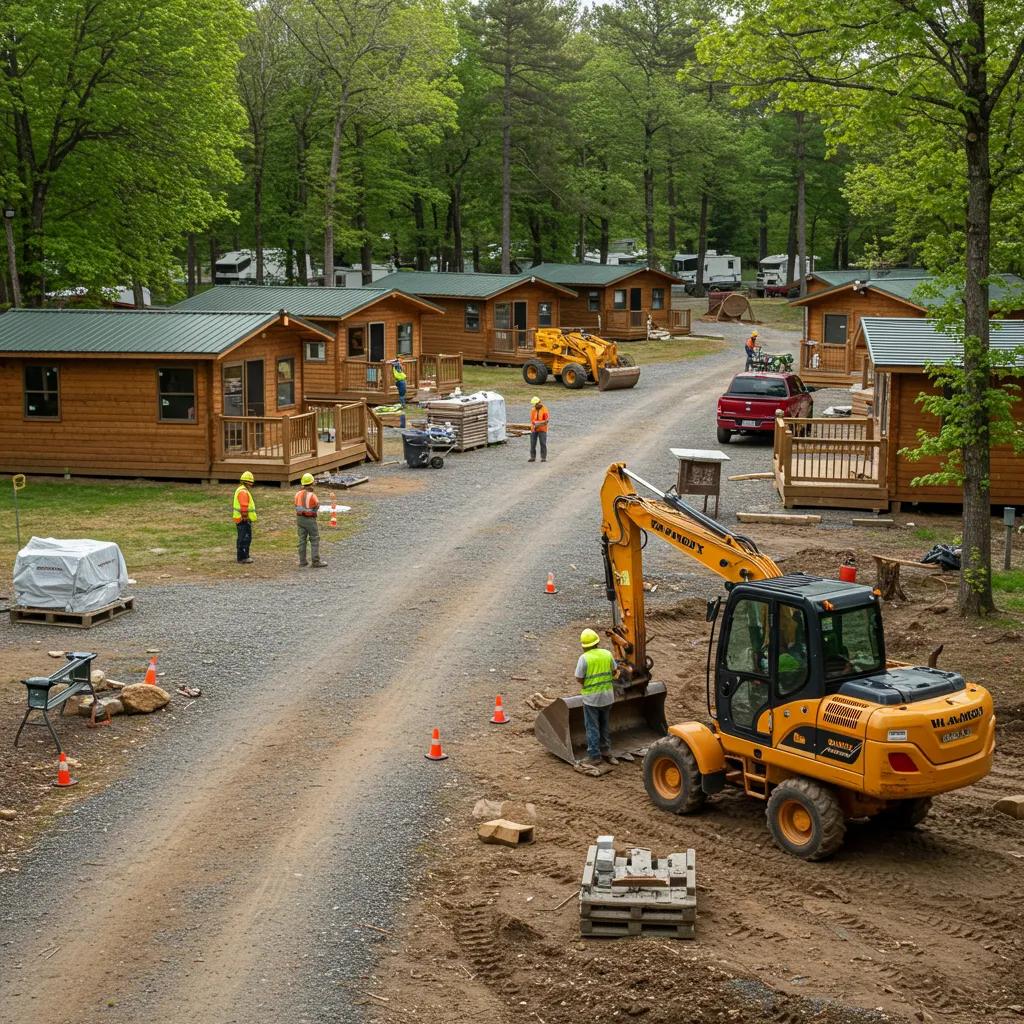
Growth potential refers to specific value drivers—like adding more sites, introducing cabins, or enhancing amenities—that buyers assess to project upside beyond current NOI. The concept here is optionality: realistic redevelopment, rezoning possibilities, and amenity upgrades create incremental cash flows that justify a higher purchase price today. Buyers will quantify the potential ROI for major improvements (for example, adding premium cabin rentals or full hookups) and then apply those forecasts to expected cap-rate compression. Sellers who prepare pro forma scenarios and demonstrate permit feasibility or development concepts make it easier for buyers to price future upside into an acquisition offer.
Translating growth potential into a package that buyers can easily understand requires credible financials and documentation, which ties directly into the valuation methods discussed next.
How Is an RV Park or Campground Valued for Sale?
Valuation for campgrounds primarily involves converting normalized Net Operating Income into a market value using an appropriate capitalization rate. Buyers typically use the formula: NOI ÷ cap rate. This method works because NOI represents the cash earnings available to a long-term owner, and the cap rate reflects the required return adjusted for location and property risk. The benefit for sellers is clarity: if you can demonstrate stabilized NOI and comparable cap-rate ranges, you provide buyers with a solid basis for valuation. Here are the core metrics and an example calculation that buyers commonly use when estimating price.
This table shows how buyers connect operational performance to valuation. The next section explains the typical documents buyers request to verify these numbers.
What Are the Key Metrics Used in Campground Valuation?
Key valuation metrics include NOI, cap rate, RevPAS, occupancy, and normalized EBITDA adjustments. Each metric defines an aspect of future cash flow potential. The approach is additive: revenue metrics establish top-line potential, expense metrics determine sustainable margins, and normalization adjusts for owner-specific anomalies so NOI reflects market-level performance. Buyers use RevPAS and occupancy to test seasonality and to create a 3–5 year pro forma that feeds into an NOI projection. The benefit for sellers is straightforward—presenting these metrics with verifiable supporting documents reduces buyer uncertainty and leads to stronger offers.
Accurately presenting these metrics requires prepared documentation and reconciliations, which we will detail in the next subsection focused on buyer document requests.
How Do Buyers Assess Financial Records and Profitability?
Buyers assess financial records by requesting multi-year P&Ls, tax returns, occupancy reports, bank statements, and documentation of unusual or owner-related expenses to normalize NOI. The process involves verification and reconciliation: buyers compare reported revenue to reservation systems, match expenses to invoices and bank records, and flag non-recurring owner perks that artificially inflate profits. Clean, itemized records reduce diligence time and minimize adjustment risks, which benefits sellers by preserving offer value. Sellers who pre-organize these documents demonstrate operational discipline and build instant credibility during initial buyer assessment.
Preparing these records is directly linked to expected due diligence timelines, and the next section outlines typical buyer diligence workflows.
What Is the Typical Due Diligence Process for Buyers?
Typical due diligence for buyers is a structured review that covers site inspections, environmental assessments, title and survey reviews, utility and infrastructure checks, and third-party vendor validations. This process is usually completed within a 60–90 day window. The goal is risk mitigation: each diligence item reduces unknowns that could affect projected NOI or capital needs, and buyers use the findings to confirm or adjust their offers. Sellers who provide easy access to documentation, coordinate inspections, and proactively address likely title or environmental questions can shorten this period and increase the certainty of closing.
Knowing the typical diligence steps helps sellers address common issues in advance and maximize valuation, which is the focus of the next subsection.
How Can Sellers Maximize Their Campground’s Valuation?
Sellers can maximize valuation by improving their records, addressing deferred maintenance, optimizing site mix, and presenting credible growth projections that show upside potential. The strategy is value enhancement: targeted capital improvements (like upgrading hookups or renovating restrooms), operational efficiencies (such as implementing digital booking or dynamic pricing), and clean financial normalization can increase NOI and lead buyers to apply lower cap rates. Prioritizing fixes with a high ROI—repairing septic systems, modernizing key amenities, and documenting stable occupancy trends—will yield the most immediate valuation lift. Sellers who take these steps can convert buyer interest into quantifiable increases in offer price and fewer buyer contingencies.
The next major section explains concrete seller preparation steps and a GatherGrounds-approved checklist that sellers can use to align with buyer expectations.
How Should Sellers Prepare Their Campground or RV Park for Sale?
Preparation involves aligning your property, financials, and operations with buyer expectations to ensure a smooth sale process and secure the best possible offers. The key is readiness: organized documents, completed critical repairs, and clear operational SOPs reduce buyer friction and demonstrate the property’s true stabilized NOI. The benefit for sellers is faster offers, fewer contingencies, and a higher likelihood of achieving a favorable valuation. Below are actionable preparation areas and a GatherGrounds-approved checklist to guide you through the readiness process.
Sellers should gather these financial documents before engaging buyers:
- Multi-year Profit & Loss statements with notes explaining any anomalies.
- Federal tax returns for the past three years to verify reported income.
- Occupancy reports and ADR (average daily rate) data exported from reservation systems.
- Detailed expense backup: invoices, payroll summaries, utility bills, and capital expense records.
- Bank statements and proof of major repairs or capital projects.
Organizing these documents demonstrates transparency, which shortens diligence and builds buyer confidence.
What Financial Documents Do Buyers Expect to See?
Buyers expect multi-year P&Ls, tax returns, occupancy and ADR data, bank statements, vendor contracts, and capital expenditure histories so they can reconcile reported NOI with operational reality. The principle here is traceability: each document provides proof that supports buyer modeling for revenue and expenses. Providing reconciled statements, reservation exports, and documented payroll reduces questions about revenue sustainability and streamlines normalization. Sellers who assemble electronic copies and an indexed data room enable buyers to move from initial interest to an LOI more quickly and with fewer contingencies.
Clear document organization also signals managerial competence and directly impacts the perceived transaction risk during negotiation.
Which Property Enhancements Increase Buyer Interest?
High-impact property enhancements include upgrading full RV hookups, modernizing restroom and laundry facilities, adding premium cabins, and improving guest-facing infrastructure like roads and signage. The strategy is to increase guest value: these improvements can raise ADR and occupancy while reducing the discounts buyers might apply for deferred maintenance. Buyers prioritize improvements based on expected ROI, often focusing on items that directly enable higher rates rather than purely cosmetic upgrades. Sellers who present a prioritized list of feasible improvements with cost estimates and likely revenue impacts give buyers the confidence to factor future upside into their offer.
These targeted enhancements complement operational efficiency improvements, which we will discuss next.
How Can Operational Efficiency Improve Sale Outcomes?
Operational efficiency improvements—such as documented SOPs, staffing continuity plans, and modern reservation and yield management systems—reduce perceived execution risk and can significantly improve normalized NOI. The benefit is risk reduction: documented processes allow a buyer to assume operations without interruption, lowering transition costs and preserving revenue during the handover. Demonstrable efficiencies, like online booking with accurate occupancy reporting, lower buyer diligence hurdles and may shorten required contingency windows. Sellers should create an operations manual and highlight key staff retention strategies to reassure buyers and maintain guest experience through the sale.
Operational clarity often speeds up diligence and supports a smoother negotiated transition, which is reflected in the GatherGrounds-approved checklist below.
What Is a GatherGrounds-Approved Preparation Checklist?
A GatherGrounds-approved preparation checklist emphasizes clarity on site count, legacy documentation, updated financials, and a readiness review conversation to align expectations before offers are exchanged. The approach is collaborative readiness: by following a standardized checklist, sellers provide potential buyer-operators with a consistent package that speeds up valuation and reduces surprises. The practical benefit is that sellers receive focused feedback on the readiness items that matter most to a family-owned, stewardship-minded buyer. You can request a no-obligation conversation to review your readiness. Key checklist items include updated P&Ls, site inventory, critical infrastructure inspections, staff rosters, and a summary of community relationships.
Sellers who use this checklist can request a no-obligation conversation to get a readiness review and explore a direct buyer path, including a potential direct acquisition of campgrounds and RV parks.
What Are the Benefits of Selling a Campground Directly to a Buyer Like GatherGrounds Resorts?
Selling directly to an owner/operator buyer reduces broker fees, simplifies negotiation, and often allows for a transition that preserves legacy and staff continuity. This approach emphasizes stewardship and straightforward deal mechanics. The advantage is direct alignment: a direct buyer streamlines communication, avoids intermediary spreads, and can prioritize operational continuity and modernization. The benefits for sellers include lower transaction costs, potentially faster closings, and greater control over transition terms that protect community values. Below is a comparison table and a concise list of direct-sale advantages that clarify why some owners prefer a direct buyer.
How Does Selling Directly Avoid Broker Fees and Complexities?
Selling directly avoids broker fees by eliminating commission layers and reduces complexities because negotiations occur directly between buyer and seller, without intermediary market listing obligations. The benefit is transactional simplicity: direct communication shortens information exchange and removes listing-related marketing requirements that extend timelines. For sellers, this means lower transactional costs, clearer negotiation points, and often fewer contingencies, which can lead to a cleaner closing. Sellers should consider that legal and advisory fees are still necessary in a direct sale, but they can expect fewer third-party steps than with a traditional brokered listing.
Reducing intermediaries also allows for customized transition planning, which is often critical for legacy-minded owners.
Why Is a Thoughtful Transition Important to Sellers and Buyers?
A thoughtful transition protects emotional and operational value by retaining staff, preserving guest relationships, and phasing in management changes to maintain revenue continuity. The core idea is continuity: structured handovers, joint introductions to the community, and phased operational changes keep guest confidence high and minimize revenue dips. The benefit to sellers is the reassurance that their legacy and team will be respected, while buyers gain institutional knowledge that supports a stable reopening. A “thoughtful transition” for owners looking to sell can include training periods, retention incentives, and documented SOP handoffs that reduce integration risk.
These transition elements are central to how family-owned buyers differ from larger corporate acquirers, as described next.
How Does a Family-Owned Buyer Differ from Corporate Buyers?
Family-owned buyers often prioritize stewardship, local identity, and long-term property care over short-term portfolio consolidation. This influences their negotiation style and transition commitments. The difference lies in cultural alignment: family-owned operators may offer more flexible transition terms, preserve legacy brand elements, and commit to reinvestment in amenities rather than immediate cost-cutting. Sellers often find that this alignment leads to smoother personnel transitions and retention of community goodwill. The benefit is a sale that balances financial return with the seller’s desire to preserve traditions and local relationships.
The next subsection outlines GatherGrounds Resorts’ specific value propositions that translate these differences into tangible seller benefits.
What Makes GatherGrounds Resorts a Preferred Buyer for Campground Owners?
GatherGrounds Resorts positions itself as a family-owned, direct buyer that emphasizes preserving identity, targets properties with 130+ sites, and plans investment in modernization while keeping great teams in place. The model is stewardship-driven acquisition: by acquiring directly, the buyer avoids brokerage layers and focuses on thoughtful transition planning that respects legacy. The benefit for sellers includes a personal, straightforward approach to negotiation and an emphasis on post-sale reinvestment that can enhance guest satisfaction and long-term property value. Sellers considering this pathway can expect offers informed by stabilized NOI and a commitment to balancing modernization with tradition.
Sellers interested in this buyer profile can initiate a no-obligation conversation to explore alignment and readiness before committing to a sale.
What Motivates Campground Owners to Sell and How Do Buyers Align With These Motivations?
Owners sell for many reasons—retirement, health, new investments, or family succession—and buyers who understand these motivations can structure offers and transitions that reduce seller stress. The approach is empathy-aligned transaction design: buyers who prioritize seller timelines, legacy clauses, and staffing continuity better meet owner needs. The result is a higher probability of a mutually satisfactory sale where both financial and non-financial seller priorities are addressed. Below, we explore common seller motivations and concrete buyer responses that align with each, helping sellers choose buyers who will support their goals.
Sellers often face time-sensitive decisions driven by retirement or health concerns and need buyers who can accommodate accelerated timelines.
How Do Retirement and Health Influence Selling Decisions?
Retirement and health issues often create urgency, shifting seller priorities from maximizing price to securing certainty, timing, and legacy protections. Buyers who can offer flexible timelines and clear transition plans address these needs. The key is timeline accommodation: buyers who provide realistic closing schedules and practical support minimize seller stress and align with life transitions. The benefit to sellers is reduced emotional burden and operational disruption, especially when the buyer commits to staff retention and a phased handover. Buyers who understand these pressures may prioritize certainty and a respectful transition over aggressive price negotiations.
Recognizing these motivations helps sellers evaluate offers not just on price but on the overall fit and execution plan that follows closing.
What Role Does Legacy Preservation Play in the Sale?
Legacy preservation is a non-financial negotiation point that can be formalized through contractual clauses, communications plans, and agreed-upon staff retention strategies to protect community traditions. The mechanism is contractual and cultural assurance: legacy-preserving clauses can specify name retention, celebratory handover events, or staff transition terms that codify stewardship commitments. The benefit to sellers is the peace of mind that the campground’s identity and community role will remain intact under new ownership. Buyers who accept legacy-focused terms demonstrate a stewardship mindset, which can be especially important for family-owned properties with strong local ties.
Sellers should ask prospective buyers specific legacy-related questions during initial conversations to confirm alignment before deep diligence.
How Can Buyers Support Sellers Through a Smooth Transition?
Buyers support smooth transitions by offering training, phased leadership handovers, retention incentives for key staff, and community introduction plans that reassure guests and stakeholders. The process involves staged integration: a buyer provides overlap periods, joint management meetings, and documented SOP handoffs so operations continue uninterrupted. The benefit for sellers is minimized revenue risk and preserved goodwill, while buyers gain operational continuity and institutional knowledge. A clear, written transition timeline and commitments to retain key personnel are among the most valuable supports sellers can request.
These transition commitments are reflected in how GatherGrounds structures its offers, which we outline in the next H2 about the selling process.
What Is the Step-by-Step Process of Selling Your Campground to GatherGrounds Resorts?
Selling to a buyer like GatherGrounds Resorts follows a straightforward sequence: initial contact and discovery, property assessment and valuation, due diligence, offer and agreement, and transition planning with legacy preservation. The process involves staged engagement: each phase narrows uncertainty and confirms value, moving from broad alignment to a binding agreement. The benefit for sellers is predictability—knowing the steps helps them prepare documentation and timelines in advance. The following ordered list summarizes the standard process for sellers engaging a direct buyer, followed by expanded descriptions of each step.
- Initial outreach and no-obligation conversation to share high-level information.
- Preliminary assessment and valuation based on provided documents.
- Site visit and formal due diligence (environmental, title, infrastructure).
- Letter of intent (LOI), negotiation, and execution of purchase agreement.
- Transition planning and phased handover, including staff and community introductions.
How Do Sellers Initiate Contact and Start the Conversation?
Sellers should prepare a concise package for initial outreach that includes site count, recent P&L summaries, high-level occupancy trends, and any known issues. The first step is a no-obligation conversation focused on alignment. The approach is information triage: the buyer uses a brief data snapshot to determine fit relative to acquisition criteria and whether to pursue deeper diligence. The benefit for sellers is low-friction feedback early in the process, allowing them to explore options without commitment. During this stage, sellers should expect a candid review of fit and requests for next steps if there is mutual interest.
A clear initial conversation reduces wasted time and establishes the groundwork for a formal assessment that follows.
What Happens During Property Assessment and Valuation?
During assessment and valuation, buyers review the provided financial documents, perform site inspections, and translate observed conditions and recorded NOI into a preliminary valuation using cap-rate methodology. The method is evidence-based pricing: buyers reconcile revenue streams with on-site conditions and infrastructure capacity, then apply market-based cap rates to normalized NOI to produce an indicative offer. The benefit for sellers is transparency—understanding how adjustments affect value informs negotiation strategy. Buyers will also identify material deferred maintenance items that could become negotiation points or contingencies.
Findings from the assessment inform the scope and timeline of due diligence described in the next subsection.
How Is Due Diligence Conducted and What Should Sellers Expect?
Due diligence is a structured verification process that typically includes environmental reports, title and survey review, utility capacity checks, physical inspections of critical systems, and confirmation of permits and zoning. This is commonly completed within a 60–90 day window. The purpose is risk confirmation: third-party reports validate or reveal issues that might affect price or timing, and buyers use them to finalize financing and closing conditions. Sellers should expect document requests, scheduling for on-site access, and targeted corrective requests for urgent deficiencies. Proactive remediation and providing pre-ordered inspection reports can shorten diligence timelines and increase certainty of closing.
Efficient diligence sets the stage for offer finalization and negotiation points covered next.
What Are the Offer and Agreement Stages Like?
Offer stages typically begin with a non-binding Letter of Intent that outlines price, key inclusions, contingencies, and timeline. This is followed by negotiation of the purchase agreement, escrow terms, earnest money, and defined contingency windows. The process involves staged commitment: LOIs set expectations and allocate time for diligence, while the purchase agreement formalizes obligations, representations, and closing conditions. The benefit for sellers is clarity regarding price and terms, while negotiation focuses on included assets, staff retention expectations, and transition elements. Understanding common contingencies—environmental, financing, title—helps sellers anticipate negotiation areas and prepare responses.
Once agreements are signed, the final phase is transition execution, which we describe in the next subsection.
How Does GatherGrounds Ensure a Smooth Transition and Legacy Preservation?
GatherGrounds emphasizes stewardship through structured transition steps such as introductory community meetings, phased handover schedules, retention of key staff where appropriate, and investment plans that balance modernization with tradition. The approach is operational continuity plus planned reinvestment: these elements preserve guest experience while upgrading infrastructure to increase long-term value. The benefit to sellers is reassurance that their property’s identity and team will be respected, and to buyers is the retention of revenue streams during ownership transfer. Sellers will typically work with the buyer to define specific transition milestones and documentation to guide the handover.
This process-driven approach aligns seller motivations and buyer operational plans, leading into the final FAQ-style section.
What Are Common Questions About Selling Campgrounds and How Are They Answered?
Sellers frequently ask practical questions about valuation, timelines, documentation, deal challenges, and selling without a broker. Concise answers help owners prioritize actions and set realistic expectations. The method is focused guidance: short, actionable replies reduce ambiguity and prepare sellers for the typical seller journey. The benefit for sellers is rapid clarity on next steps and a checklist of priorities that support a successful sale. The following FAQ-style answers are optimized for quick reference and further reading within this guide.
How Do I Value My Campground Before Selling?
To value a campground before selling, calculate stabilized NOI by normalizing three years of financials, then divide that NOI by a market-appropriate cap rate to estimate value—Price = NOI ÷ Cap Rate. The process involves normalization and market comparison: remove owner-specific expenses, average stabilized revenues, and select a cap rate reflective of location and asset risk. Sellers can perform a DIY valuation to set expectations but should seek professional appraisal or buyer feedback when significant capital projects or regulatory issues exist. Preparing a credible NOI and comparing to similar transactions produces a defensible asking range that guides negotiations.
A professional appraisal is recommended when you need lender support or when the property has complex development potential.
How Long Does It Take to Sell an RV Park?
Typical sale timelines range from 60 to 180 days, depending on complexity, buyer type, financing paths, and diligence scope. Straightforward direct acquisitions may close faster, while brokered market listings often take longer. The factors influencing the timeline include due diligence depth and financing: third-party inspections, environmental reports, and lender underwriting extend the calendar. Sellers who pre-prepare documents and remediate obvious issues can accelerate the process and reduce contingency windows. Understanding likely timeline drivers helps owners set realistic expectations and align retirement or transition plans accordingly.
Shortened timelines are often available to sellers who pursue direct-sale conversations with well-prepared documentation packages.
What Documents Are Needed to Sell a Campground?
Essential documents include multi-year P&Ls, tax returns, occupancy and ADR reports, site inventory, copies of permits and zoning memos, recent inspection reports for septic/electrical, vendor contracts, payroll summaries, and capital expenditure records. The purpose is proof and traceability: each document validates a piece of the NOI or the physical condition that supports valuation. Assembling these items into an indexed data room reduces back-and-forth during diligence and positions the seller as organized and credible. Sellers should prioritize digital copies and a clear index to streamline buyer review.
Having these documents ready will shorten buyer questions and limit renegotiation triggers.
What Challenges Should Sellers Be Prepared For?
Common challenges include title issues, environmental concerns, financing gaps for buyers, deferred maintenance surprises, and community sensitivity to ownership changes. Proactive remediation and transparent disclosure minimize their impact. The strategy is risk mitigation: early identification and remediation of title encumbrances, pre-ordered environmental reports, and addressing deferred maintenance reduce buyer leverage for downward adjustments. Sellers who anticipate these issues and provide remediation plans or credit adjustments improve buyer confidence and the likelihood of closing. Clear communications with staff and community stakeholders also reduce disruption risk during the sale process.
Addressing these challenges proactively supports a smoother transaction and preserves value.
How Can I Sell My Campground Without a Broker?
To sell without a broker, assemble comprehensive documentation, identify potential direct buyers or buyer-operators, prepare a concise offering memorandum, and engage legal counsel for transaction documents. This route reduces commission costs but requires seller-led marketing and negotiation. The method is direct negotiation: sellers manage outreach, vet buyers, and negotiate LOIs and purchase agreements themselves or with retained legal/financial advisors. The benefit is cost savings on broker commissions and direct control of transition terms, but the seller must be prepared for the administrative and negotiation workload. Sellers who prefer a direct path can also opt for a no-obligation conversation with a direct acquisition buyer to explore fit and process without listing publicly.
A direct-sale approach works best when sellers know their asset, have clean records, and prioritize control and legacy preservation.
Frequently Asked Questions
What are the common reasons campground owners decide to sell?
Campground owners often sell for various reasons, including retirement, health issues, the desire to pursue new investments, or family succession plans. Understanding these motivations is crucial for buyers, as it allows them to tailor their offers and transition plans to meet the seller’s needs. For instance, a seller facing health challenges may prioritize a quick sale over maximizing price, while someone retiring might seek a buyer who will preserve their legacy. Recognizing these factors can lead to a smoother transaction process.
How can sellers prepare for buyer inquiries during the sale process?
Sellers can prepare for buyer inquiries by organizing essential documents and being ready to discuss property details openly. This includes having multi-year financial statements, occupancy reports, and maintenance records readily available. Additionally, sellers should anticipate questions about site conditions, community relationships, and any potential issues that could affect the sale. By being transparent and proactive in addressing these inquiries, sellers can build trust with potential buyers and facilitate a smoother negotiation process.
What impact does community goodwill have on the sale of a campground?
Community goodwill plays a significant role in the sale of a campground, as it can enhance the property’s perceived value. Buyers often look for campgrounds with strong ties to the local community, as this can translate into loyal customer bases and sustained revenue. Sellers can highlight community involvement, positive guest feedback, and long-standing relationships with local businesses to demonstrate goodwill. This intangible asset can lead to higher offers and a smoother transition, as buyers are more likely to maintain established community connections.
What are the benefits of having a phased transition plan during the sale?
A phased transition plan benefits both sellers and buyers by ensuring continuity and minimizing disruption. For sellers, it provides peace of mind that their legacy and staff will be respected during the handover. For buyers, it allows for a smoother integration process, as they can gradually assume operational control while retaining key personnel. This approach helps maintain guest satisfaction and revenue stability, making it an attractive option for both parties. A well-structured transition plan can also enhance the overall sale experience.
How can sellers effectively communicate their campground’s growth potential to buyers?
Sellers can effectively communicate their campground’s growth potential by presenting clear, data-driven projections and documented plans for future enhancements. This includes showcasing opportunities for site expansion, new amenities, or improved marketing strategies that could increase occupancy rates. Providing pro forma financial statements that illustrate potential revenue increases can also be persuasive. By articulating a compelling vision for the campground’s future, sellers can attract buyers who are interested in realizing that potential and are willing to invest accordingly.
What role does operational efficiency play in attracting buyers?
Operational efficiency is crucial in attracting buyers, as it demonstrates the campground’s potential for profitability and smooth management. Buyers are more likely to be interested in properties with documented standard operating procedures (SOPs), effective staffing plans, and modern reservation systems. These efficiencies reduce perceived risks and can lead to higher offers, as they indicate that the campground can operate successfully without significant changes. Sellers should highlight their operational practices and any technology upgrades that enhance efficiency during the sales process.
How can sellers ensure they are aligned with buyer expectations during the sale process?
Sellers can ensure alignment with buyer expectations by engaging in open communication and actively seeking feedback throughout the sales process. This includes discussing key priorities, such as financial health, site conditions, and community relationships, to understand what buyers value most. Utilizing a standardized preparation checklist can also help sellers present their campground in a way that meets buyer criteria. By being receptive to buyer needs and adjusting their approach accordingly, sellers can foster a more collaborative and successful transaction.
Conclusion
Understanding what buyers prioritize when selling campgrounds is essential for maximizing value and ensuring a smooth transaction. By focusing on key attributes such as site count, financial health, and growth potential, sellers can position their properties competitively in the market. Engaging in a direct sale with a family-owned buyer like GatherGrounds can simplify the process and preserve legacy values. Start your journey today by exploring our resources and initiating a no-obligation conversation to assess your readiness for sale.