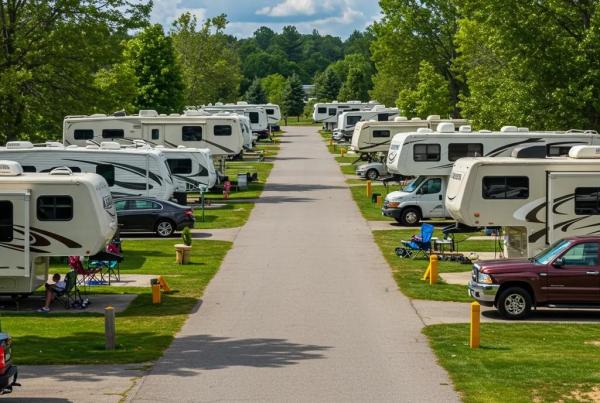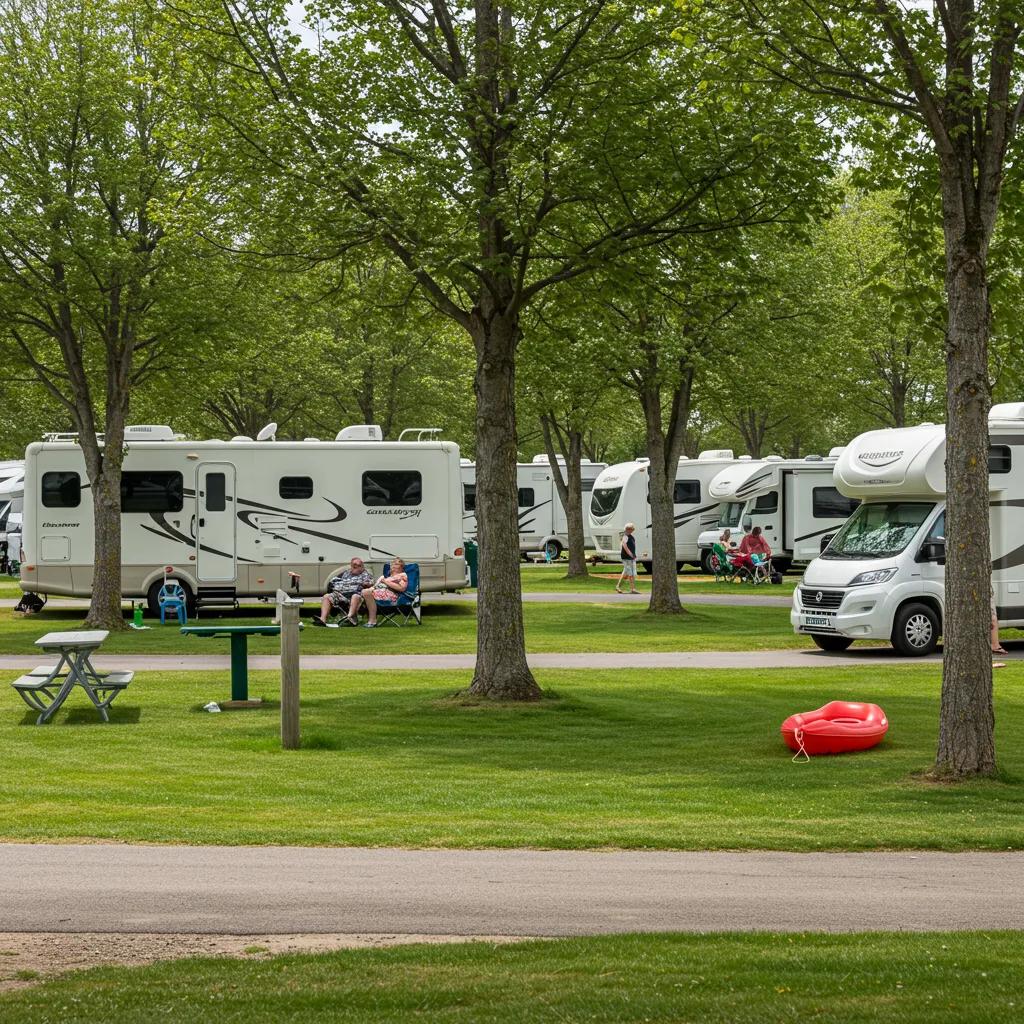
Sell Your RV Resort or Campground with Local Campground Agents and GatherGrounds Resorts
Thinking about selling your RV resort or private campground? It’s a big decision that calls for smart choices, a realistic valuation, and a solid plan to honor your legacy while getting the best possible outcome. This guide is for you – the campground and RV park owner considering a sale. We’ll walk you through the two main paths: listing with local campground agents or selling directly to a specialized buyer. You’ll learn how brokered sales work, what a direct acquisition looks like, how your property’s value is determined, and what types of properties catch buyers’ eyes. We’ll tackle common concerns like keeping things confidential, broker fees, lengthy marketing periods, and the desire to keep your campground’s unique character alive, offering clear options and guidance. This article maps out the entire selling journey, from your first chat to closing and the handover. We’ll compare your selling options, dive into valuation factors and market trends, highlight the kinds of campgrounds that appeal to different buyers, and wrap up with practical next steps for connecting with local agents or GatherGrounds Resorts. We’ve also woven in keywords like “sell your campground,” “campground brokers,” “campground property valuation,” and “campground real estate agents near me” to help you find the right path.
Why Choose Local Campground Agents or Direct Sale to GatherGrounds Resorts?
Here, we’ll break down the two primary selling options and explain why each might be the right fit for your specific goals. Local campground agents bring market exposure and negotiation expertise, tapping into broker networks and listing channels to potentially secure competitive bids and broad marketing reach. Selling directly to a specialized acquirer, like GatherGrounds Resorts, streamlines the transaction by cutting out intermediary layers, ensuring confidentiality, and allowing direct engagement with decision-makers for a quicker, smoother transition. Understanding these differences will help you choose based on what matters most to you – whether it’s the highest price, speed, or preserving your campground’s legacy. The next section dives deeper into the advantages of working with a broker.
What Are the Benefits of Selling Through Local Campground Brokers?

Local campground brokers offer deep market insights and established buyer networks, connecting your property with active investors, operators, and private buyers. They typically manage professional marketing efforts, screen potential buyers, and guide negotiations, all aimed at maximizing your sale price through competitive offers and strategic positioning. If your priority is achieving the highest possible market price and gaining widespread exposure, a broker’s ability to create an auction-like environment or solicit multiple offers can be incredibly valuable. This route is often ideal for owners who want extensive market reach and structured negotiation support before considering a direct buyer.
How Does Selling Directly to GatherGrounds Resorts Compare to Using an Agent?
Selling directly to a buyer like GatherGrounds Resorts cuts out several steps, allowing you to negotiate straight with an acquirer who understands and purchases properties like yours. A direct buyer means streamlined timelines, fewer showings, and enhanced confidentiality, as transactions are handled privately rather than through broad public marketing. This direct approach eliminates broker commissions and can simplify scheduling and minimize guest interruptions. While it might limit exposure to competing offers that could drive up the price, it’s often the preferred route for sellers prioritizing a thoughtful transition and a less complex transaction.
To help you quickly compare, we’ve put together a concise table outlining the key differences between a brokered sale and a direct acquisition.
What Makes GatherGrounds Resorts a Family-Owned Alternative to Traditional Brokers?
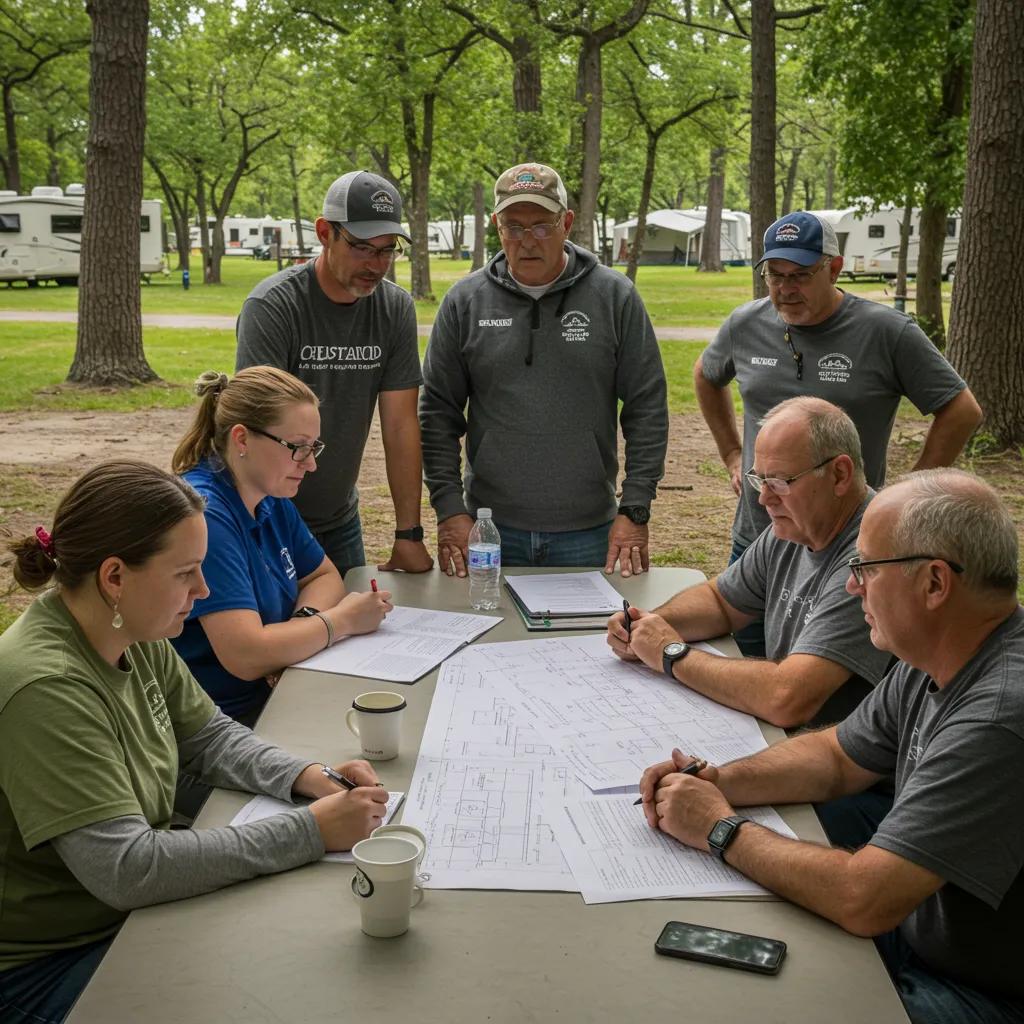
GatherGrounds Resorts is a family-owned operator dedicated to acquiring, managing, and modernizing campgrounds and RV parks with a strong emphasis on stewardship and continuity. This family-owned structure means we prioritize preserving legacy and values in every transaction, engaging directly with sellers rather than through layers of corporate teams. If you value stewardship and believe your campground should continue to be run with a focus on community and guest experience, you’ll find our approach reassuring. In the next subsection, we’ll explore how broker fees factor into your decision and when they might be a worthwhile investment.
How Do Broker Fees and Commissions Affect Your Sale?
Broker fees are essentially the cost of accessing broad market exposure and expert negotiation services. While they reduce your net proceeds, they can also potentially increase your gross sale price through competitive bidding. It’s a qualitative trade-off: these fees fund marketing, buyer vetting, and deal management, which often lead to higher offers, but at the cost of time and public exposure. We recommend comparing your expected net proceeds for both selling routes and weighing the value of aggressive valuation against your desire for a smooth, private transition. Understanding these fee dynamics sets the stage for our next major topic: the step-by-step process for selling your campground or RV park.
What Is the Step-by-Step Process to Sell Your Campground or RV Park?
This section outlines the typical stages of a transaction, explaining how each works so you can set realistic expectations and timelines. The process generally moves from an initial inquiry and property overview to valuation and an offer, followed by due diligence, contract negotiation, and closing with an operational transition plan. Each stage involves distinct seller responsibilities – like preparing documents, facilitating site visits, and coordinating with staff and guests. The following subsections will break down these stages in practical terms. If you’re considering a direct sale, this overview will clarify how a no-obligation conversation leads to a valuation and, ultimately, an offer.
How Does the Initial Consultation with GatherGrounds or Agents Work?
The initial consultation is where we get a high-level understanding of your property and identify your goals, any immediate constraints, and key metrics that will guide the valuation. It’s helpful to have basic property information ready: the number of sites, recent revenue and occupancy trends, major amenities, and any known infrastructure issues. This speeds up our evaluation and makes the conversation more productive. Agents will typically discuss marketing strategies and listing expectations, while direct buyers like GatherGrounds focus on operational fit and legacy considerations during a confidential, owner-to-owner dialogue. Having these essentials prepared will help ensure the consultation leads directly into the valuation phase.
What Happens During Valuation and Due Diligence?
Valuation and due diligence are crucial for determining fair market value. We’ll review your financial performance, the physical condition of the property, and comparable market data to confirm the facts that support an offer. Due diligence commonly involves analyzing income statements, occupancy data, maintenance records, booking systems, and site infrastructure to identify potential risks and verify revenue streams. GatherGrounds evaluates properties through on-site reviews and financial analysis to create a transparent, fair offer that accounts for operational realities and market context. The table below maps key valuation factors to how they are measured and their typical impact on price.
How Is the Closing and Transition Managed for Sellers?
Closing involves the legal transfer of title, settlement of funds, and agreed-upon operational handoffs. Your transition plan will dictate staff retention, guest communications, and the timing of operational changes. You may have the opportunity to negotiate transition roles, such as staying on for a defined handover period or assisting with introductions to local vendors. The transition plan should prioritize guest continuity and community relationships. Maintaining confidentiality and sensitivity during the closing window is important to avoid disrupting guests or staff. Detailed transition checklists help ensure service levels remain consistent through the ownership change. Preparing these logistics in advance will minimize surprises during the final settlement.
How Does the Process Differ When Using Local Campground Agents?
When you engage a broker, the process typically includes a formal listing, public marketing materials, scheduled showings, and buyer pre-qualification handled by the agent. This can extend timelines but also create bidding competition. Agents often manage staging, open houses, and marketing collateral, and they will handle buyer negotiations on your behalf, shifting the administrative load away from you. Direct buyers, on the other hand, handle much of the evaluation privately and limit showings, which preserves confidentiality and shortens timelines. Brokers expand exposure and manage buyer relations. The decision framework that follows will help you choose based on your priorities for price, privacy, and speed.
How Do You Determine the Value of Your RV Resort or Campground?
Valuing a campground is a blend of operational performance, physical assets, and market context. Understanding each element helps explain why offers can vary between buyers. The core mechanism is that revenue and net operating income form the basis for market multiples, while site counts, amenity quality, and location can adjust that value up or down. Owners who can demonstrate consistent occupancy, clean financial records, and well-maintained amenities typically achieve stronger valuations. The subsections below detail the major factors, GatherGrounds’ assessment approach, and guidance on whether to seek a broker’s valuation or accept a direct buyer’s offer.
What Factors Influence Campground and RV Park Valuation?
Several measurable factors collectively determine a campground’s market value, including the number of sites and site types, revenue and financial performance, occupancy rates, amenities, and location demand. Buyers assess whether site types (full hookup, seasonal, cabin) and amenities like bathhouses or waterfront access translate into stable revenue and guest loyalty. Financial records – income statements, tax returns, and booking histories – reveal profitability trends and seasonality that directly affect valuation multiples. Clear documentation and operational data strengthen offers and expedite due diligence.
- Number of sites and site types.
- Revenue streams and net operating income.
- Occupancy trends and guest retention.
- Quality and scope of amenities and infrastructure.
Owners who present strong data for these elements typically attract more competitive interest from buyers.
How Does GatherGrounds Assess Your Property’s Market Value?
GatherGrounds conducts assessments through an operational lens: we combine on-site reviews, financial records analysis, and market comparables to form an offer that reflects both current performance and modernization potential. Our on-site review inspects infrastructure, guest flow, and amenity condition, while financial analysis verifies revenue and expense patterns to estimate sustainable cash flow. We use comparables and regional market context in the Upper Midwest to calibrate pricing and expectations, ensuring our offers are grounded in prevailing market conditions. This measured approach supports a transparent offer process.
Should You Get a Broker’s Valuation or Use a Direct Buyer’s Offer?
Choosing between a broker’s valuation and a direct buyer’s offer hinges on your seller goals. If maximizing sale price through market exposure is your top priority, a broker’s valuation and listing strategy might be the best fit. If confidentiality, speed, and a thoughtful transition are paramount, a direct buyer like GatherGrounds may present a better option, starting with a no-obligation conversation and a streamlined process. Consider this simple checklist: Do you desire competitive bidding? How tolerant are you of public marketing? How urgent is the sale? Weighing these items will guide your next step.
How Do Market Trends Affect Your Campground’s Worth?
Market dynamics such as increasing demand for outdoor recreation, RV ownership trends, industry consolidation, and rising guest expectations for amenities all influence buyer appetite and valuation multiples. Consolidation among acquisition companies can lift demand for larger parks with scale, while technology and sustainability upgrades can create premiums if they enhance guest experience and reduce operating costs. Regional trends in the Upper Midwest and seasonal demand patterns also affect occupancy projections, making local market research crucial when estimating value. Understanding these trends will help you set realistic price expectations.
What Types of Campgrounds and RV Parks Does GatherGrounds Acquire?
This section outlines GatherGrounds’ acquisition criteria and explains what property characteristics align with our strategy, helping you self-identify if your property is a good fit. GatherGrounds focuses on parks with 130+ sites and targets properties in the Upper Midwest, seeking operational scale that supports modernization and stewardship investments. Strong community integration and natural features like lake access, scenic settings, and event potential increase acquisition interest because they support guest demand and long-term viability. The subsections below explain our rationale for scale, our geographic focus, and the property attributes we find most desirable.
Why Focus on RV Resorts and Campgrounds with 130+ Sites?
Parks with 130 or more sites typically offer the operational scale needed for efficient staffing, amenity investment, and revenue diversification across various site types and services. Scale allows for economies in maintenance, marketing, and capital improvements that smaller parks struggle to amortize, making larger properties more attractive to buyers planning modernization. Acquiring properties at this scale also enables us to implement standardized operational improvements and guest experience upgrades that drive long-term value. This scale-focused criterion aligns with our strategy to preserve legacy while investing in sustainable operations.
Which Locations in the Upper Midwest Are Preferred?
GatherGrounds has a preference for the Upper Midwest region, where operational proximity, regional demand cycles, and community relationships influence long-term success. Geographic proximity supports efficient management, regional marketing, and the ability to maintain consistent stewardship across properties. For owners in the Upper Midwest, this regional fit increases the likelihood of operational alignment and post-sale continuity, which buyers value when evaluating travel patterns and guest demand. Sellers outside this region should consider geographic fit when making their decision.
What Community and Natural Features Increase Acquisition Interest?
Properties with natural amenities like lake access, wooded trails, or scenic vistas typically command stronger guest interest and support premium pricing. Strong ties to local communities, recurring events, and established repeat guest bases also enhance a park’s attractiveness because they indicate reliable occupancy and goodwill. On-site facilities – bathhouses, cabins, event spaces – provide revenue diversification and improve operational resilience. These elements combine to create a compelling acquisition profile for buyers focused on guest experience and long-term stewardship.
How Can Local Campground Owners Benefit from Selling to GatherGrounds Resorts?
Selling to a family-owned acquirer like GatherGrounds can provide you with a transition that emphasizes legacy preservation, operational continuity, and direct engagement with buyers who prioritize stewardship. Benefits include a tailored transition plan designed to minimize guest disruption, discussions about staff continuity, and confidential negotiations conducted directly with decision-makers. The following sections summarize seller perspectives, our stewardship practices, and typical transition examples to clarify what owners can expect when selling to a stewardship-minded buyer.
What Do Owners Say About Their Selling Experience?
Sellers often highlight themes of trust, clear communication, and minimal disruption when reflecting on a sale managed with stewardship in mind, noting that direct engagement simplifies decision-making. Anonymized seller feedback frequently points to the practical relief of streamlined negotiations and focused transition planning that protects guests and staff. Ease of process and the preservation of campground traditions are common positive takeaways when a sale is handled by a family-owned operator prioritizing continuity. These themes help set expectations for what a carefully managed sale should deliver.
How Does GatherGrounds Preserve Your Campground’s Legacy?
Preserving legacy involves our commitment to maintaining traditions, investing in guest-facing improvements, and engaging with staff to sustain service levels through the transition. Our family-owned approach emphasizes stewarding local culture and guest relationships while implementing operational modernizations that support long-term viability. Communicating your preservation priorities during negotiations helps ensure that our plans align with your values and community expectations. Clear agreements about transition roles and investments reinforce these preservation commitments.
What Are Examples of Smooth Transitions After Sale?
Smooth transitions typically include phased handovers where sellers assist with introductions to staff and vendors, retention of key employees for continuity, and clear guest communications that explain the ownership change. Operational handoff timelines that define responsibilities, training sessions for retained staff, and joint announcements to the community help reduce confusion and foster trust. While specific case studies should be reviewed where available, these generic scenarios illustrate realistic outcomes sellers can expect when transition planning is prioritized. Effective transitions focus on maintaining service quality and protecting reputation.
What Are the Most Common Questions About Selling Your RV Park or Campground?
Owners frequently ask how to find buyers, whether to use a broker, expected timelines, how to prepare records, and what costs to anticipate. This section answers those core queries with practical guidance. The content below outlines buyer sourcing channels, decision criteria for brokers versus direct buyers, timeline expectations, document preparation checklists, and qualitative cost categories to help you prepare. These answers aim to help you prioritize actions that speed diligence, clarify valuation, and protect your net proceeds. The following subsections break down each common question.
How Do I Find a Buyer for My Campground?
Buyers can be found through campground brokers and specialized marketplaces, direct acquisition companies focused on parks, and local or regional outreach to operators and investors. Each channel has its trade-offs: broker listings increase exposure, direct buyers offer speed and confidentiality, and local outreach may find operator buyers who value community fit. Combining channels can broaden your options, but it’s important to control confidentiality and vet buyers carefully to protect your operations. This understanding leads into the question of whether engaging a broker is the right course.
- Specialized campground brokerages and marketplaces.
- Direct acquisition companies that buy parks from owners.
- Local operator outreach and industry networks.
Choosing the right channel depends on your seller goals for price, privacy, and timing.
Should I Use a Broker to Sell My RV Park?
Deciding whether to use a broker depends on whether your priority is maximizing sale price through market exposure or preserving confidentiality and speed. Brokers bring marketing, buyer vetting, and negotiation expertise but involve commission costs and public exposure during the listing period. Sellers seeking a private, lower-friction transition that emphasizes legacy may prefer a direct buyer; sellers seeking the best possible price and broad exposure may hire a broker. A simple checklist comparing your goals against these trade-offs will help determine the best route.
What Is the Typical Timeline for Selling a Campground?
Timelines can vary by approach: brokered sales often take longer due to marketing and buyer sourcing, whereas direct acquisitions can shorten the cycle by focusing on a single buyer’s due diligence. Key phases – initial consultation, valuation and offer, due diligence, and closing/transition – typically span several weeks to a few months, depending on document readiness and inspection scheduling. Factors that can speed or slow the process include the completeness of your financial records, seasonality, and buyer financing arrangements. Efficient preparation can accelerate each stage.
How Do I Prepare Financial Records for Sale?
Organized financial records are critical to expedite valuation and due diligence. Essential items include income statements, tax returns, occupancy and booking history, maintenance logs, and capital expenditure documentation. Consolidating booking data from reservation systems and providing clear expense breakdowns demonstrates operational transparency and supports a stronger valuation. Sellers should also prepare title documents and any relevant permits to avoid last-minute delays. Well-prepared records can significantly reduce due diligence time and improve buyer confidence.
What Are the Costs Involved in Selling My RV Resort?
Selling costs generally fall into categories such as broker commissions (if applicable), closing-related fees, legal and accounting expenses, and any transition or pre-sale improvement costs you might choose to incur. Direct sales reduce or eliminate broker commission costs but may result in different offer dynamics. Closing fees and professional expenses apply in either route. Sellers should weigh these qualitative costs alongside the value of speed, confidentiality, and net proceeds to decide on the optimal path. Clear budgeting for selling expenses will support better net proceeds planning.
How to Contact GatherGrounds Resorts or Local Campground Agents to Start Selling?
This section provides a practical checklist of what to prepare and the next steps to schedule an initial, no-obligation conversation with potential buyers or agents. You should assemble essential information, choose the channels you prefer (broker listing vs. direct inquiry), and be ready to discuss your timeline and transition preferences. For sellers considering a direct acquisition, requesting a no-obligation conversation with GatherGrounds Resorts is the first step in our evaluation and helps clarify fit. Prepare your documents and priorities before that conversation to make it as productive as possible. The final subsections describe the information to have ready, how to request a conversation, and where to find local brokers.
What Information Should You Have Ready for Your Initial Inquiry?
Prepare a concise property summary that includes the number of sites, recent annual revenue and occupancy, major amenities, and a brief statement of your seller goals to make an initial inquiry efficient. Gather financial statements, booking histories, maintenance and capital expenditure records, and ownership/title documentation to speed any follow-up valuation or due diligence requests. Also, note your operational staff structure and any unique community relationships or events that contribute to repeat business. Having these items upfront will improve the quality and speed of our initial conversation.
How to Schedule a No-Obligation Conversation with GatherGrounds?
To request a no-obligation conversation with GatherGrounds Resorts, compile the prep checklist above and reach out through the appropriate inquiry channel to initiate a confidential discussion with our team, indicating your property’s scale and objectives. During that call, expect a focused owner-to-owner dialogue covering property metrics, stewardship priorities, and high-level timelines. GatherGrounds emphasizes direct engagement and the preservation of legacy as core components of our approach. Sellers should convey their confidentiality needs and preferred timelines during scheduling to help us tailor the conversation. Clear preparation makes the call productive and naturally leads into valuation steps.
Where to Find Local Campground Brokers Near You?
Finding local campground brokers typically starts with searching specialized campground marketplaces and brokerage directories, checking regional real estate networks that handle recreational properties, and using localized search terms like “campground real estate agents near me” to find specialists. Vet candidates by their experience with campground transactions, references, and demonstrated buyer networks in recreational property sales. Engaging a broker who understands campground valuation drivers – sites, amenities, and market seasonality – increases the likelihood of a successful listing. A targeted search and careful vetting will reveal brokers well-suited to your sale objectives.
- Prepare essential documents: income statements, occupancy history, site inventory.
- Decide your priority: maximum price, confidentiality, or speed.
- Choose channels: local broker(s) or direct buyer inquiry for a no-obligation conversation.
Frequently Asked Questions
What should I consider when preparing my campground for sale?
Preparing your campground for sale involves several key steps. First, ensure all financial records are organized and up-to-date, including income statements, occupancy rates, and maintenance logs. Next, consider making minor improvements to enhance curb appeal, such as landscaping or repairs to facilities. Additionally, gather information about your campground’s unique features and community ties, as these can be attractive to potential buyers. Finally, think about your selling goals, such as price and timeline, to guide your preparation process effectively.
How can I ensure confidentiality during the selling process?
To maintain confidentiality while selling your campground, consider using a broker who understands the importance of discretion. They can manage inquiries and negotiations without disclosing your identity to potential buyers until necessary. If selling directly, establish clear communication about confidentiality expectations with interested parties. Additionally, limit public marketing efforts and share sensitive information only with qualified buyers who have signed non-disclosure agreements. This approach helps protect your business reputation and minimizes disruption to your operations.
What are the common pitfalls to avoid when selling my RV park?
Common pitfalls when selling an RV park include inadequate preparation of financial records, which can lead to delays or lower offers. Failing to understand the market value of your property can also result in pricing it too high or too low. Additionally, neglecting to communicate clearly with potential buyers about your campground’s strengths and unique features can hinder interest. Lastly, not having a clear transition plan can disrupt operations and guest experiences, so it’s essential to plan for a smooth handover.
How can I assess the market demand for my campground?
Assessing market demand for your campground involves researching local trends in outdoor recreation, RV ownership, and tourism. Analyze occupancy rates and revenue trends in your area, and compare them with similar properties. Engaging with local tourism boards or industry associations can provide insights into visitor demographics and preferences. Additionally, consider conducting surveys or gathering feedback from current guests to understand what attracts them to your campground. This information can help you position your property effectively in the market.
What role does online presence play in selling my campground?
An online presence is crucial when selling your campground, as it enhances visibility and attracts potential buyers. A well-maintained website showcasing your campground’s features, amenities, and guest experiences can create a positive first impression. Additionally, utilizing social media platforms to share updates and engage with the community can generate interest. Online listings on specialized marketplaces can also broaden your reach. Ensuring that your online presence reflects the unique character of your campground can significantly impact buyer interest and perceived value.
What are the benefits of a phased transition after the sale?
A phased transition after the sale of your campground offers several benefits, including continuity for guests and staff. By gradually handing over responsibilities, you can ensure that key employees remain in place, maintaining service quality and guest satisfaction. This approach also allows for knowledge transfer, where you can share insights about operations and community relationships with the new owner. Additionally, a phased transition can help mitigate disruptions, fostering trust among guests and staff during the ownership change.
Conclusion
Successfully selling your RV resort or campground can lead to a smooth transition that honors your legacy while maximizing financial outcomes. By understanding the benefits of working with local campground agents or opting for a direct sale to GatherGrounds Resorts, you can make informed decisions that align with your goals. Take the next step by reaching out for a no-obligation conversation to explore your options further. Your campground’s future deserves careful consideration and a partner who values its unique character.