Why Choose a Campground with Trail Access? Family-Friendly Benefits and Easy Hiking Tips
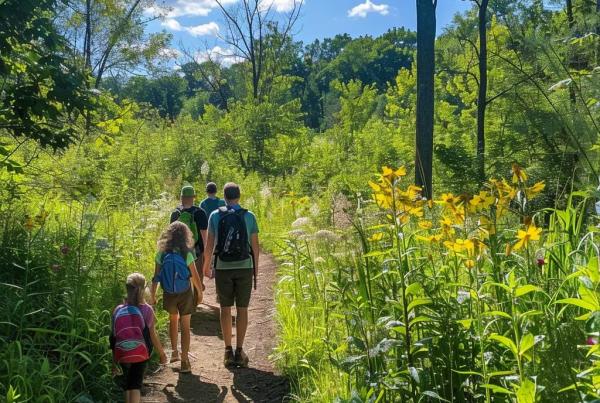
Campgrounds with trail access sit on or right next to established hiking and multi-use paths, giving families quick, low-hassle routes into nature without long drives to trailheads. A site with on-property or nearby trails brings convenience, safer short outings, and more ways to fill a day — from a quick nature walk to water play or a longer family hike. Many groups juggle different ages and interests; trail-access campgrounds solve that by clustering walking routes, wildlife viewing, and recreational amenities so everyone can do a bit of what they love. This guide covers the main perks of camping near trails, how hiking supports physical and mental health, what family-friendly trail features to look for, and how to plan trips in Michigan that focus on outdoor learning and relaxed adventure. You’ll find evidence-based summaries on the health benefits of hiking, checklists for choosing trail-friendly campgrounds, practical gear and safety tips, and a local example where on-site trails connect to a larger state recreation area.
What Are the Key Benefits of Camping Near Hiking Trails?
Staying where trails are right outside your tent or camper turns a single trip into a layered outdoor experience: easy movement, regular nature breaks, and built-in activity options. Trails cut down travel time to trailheads and make short, repeatable nature experiences simple to schedule across the day. Trailside camping supports heart health, balance and mobility, mental refreshment, and family bonding through shared discovery. Research and outdoor-health guidance show that regular moderate hikes lift mood, lower stress hormones, and increase daily activity, so choosing a campground with trails boosts the overall health value of a weekend away. Below is a clear look at the top benefits to help you see why trail access matters when planning family camping.
Trailside camping delivers these primary advantages:
- Accessible daily movement that doesn’t require elaborate planning.
- Better mental health from frequent short nature breaks and reduced screen time.
- Family bonding and hands-on outdoor learning through nearby, interpretive experiences.
- Convenience and variety — multiple activities within walking or golf-cart distance.
How Does Hiking Improve Physical Health and Wellness?
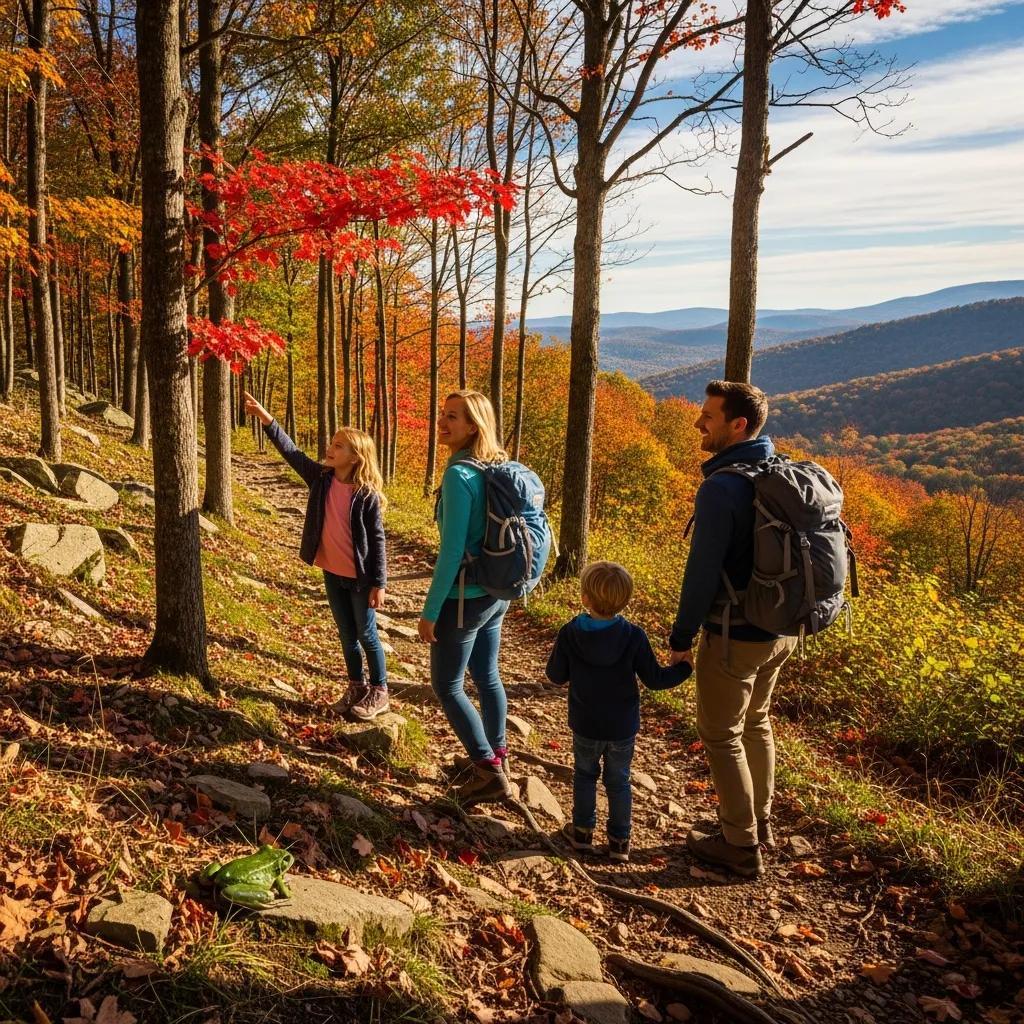
Hiking raises heart rate across changing terrain, which strengthens the cardiovascular system and builds aerobic capacity over time. Uneven ground and gentle climbs engage stabilizer muscles, improving balance, coordination, and lower-body strength — benefits useful for growing kids and older adults easing back into activity. For families, aim for several short hikes (about 20–45 minutes) during a day to accumulate moderate-intensity activity without wearing out young kids; those short walks add up into meaningful daily movement. Mixing flat nature strolls with gentle inclines delivers broad fitness gains while keeping outings enjoyable and manageable for everyone.
Those physical benefits tie directly into better mental and emotional health: more activity plus time outdoors helps lower stress and improve mood, which we’ll cover next.
In What Ways Does Nature Trail Access Enhance Mental Well-being?
Trail access supports mental health by lowering stress markers and helping attention recover through sensory-rich time outside — bird calls, shifting light, and changing foliage help move focus away from everyday pressures. Studies show even brief walks in nature reduce cortisol, lift mood, and sharpen working memory, so trailside camping is a practical tool for family resilience. Trails also create natural opportunities for digital breaks and unstructured play, which helps children regulate emotions and gives parents low-stakes ways to relax. Adding short guided observation tasks — like bird listening or leaf ID — boosts attention restoration and creates teachable moments that strengthen family connection.
To summarize the benefits of camping near hiking trails, this table makes it easy to scan the core categories and what they deliver for families.
Which Features Make Campgrounds With Direct Trail Access Ideal for Families?
Family-friendly trail campgrounds blend simple trail design with helpful amenities, clear safety features, and programming that encourages kids to explore. Look for short loops, visible signage, gentle grades, and soft or compacted surfaces that work with strollers or small shoes. Add complementary amenities — safe play areas, water access for swimming or fishing, pavilions for group activities, and scheduled events — and hiking becomes part of a full day of learning and play without long drives. Below are the features to prioritize when picking a campground geared toward families.
Key family-focused campground features to seek:
- Short, signed loops: Trails that circle back near campsites make supervision easy.
- Shallow water access and fishing spots: Adds variety and quiet exploration for kids.
- Playgrounds and pavilions: Safe off-trail play and sheltered gathering spots.
- Guided events or community programs: Encourage group learning and social time.
Trails work best for families when paired with amenities that support comfort and discovery; the next section explains which facilities boost outdoor education and play for children.
What Family-Friendly Amenities Support Outdoor Education and Adventure?

Amenities that encourage outdoor learning combine hands-on activities, child-appropriate play spaces, and interpretive resources that make trails more meaningful. Think shallow ponds for pond ecology lessons, playgrounds that promote movement and social play, and pavilions for nature crafts or story time tied to nearby habitats. Campgrounds that run guided programs create safe chances for kids to learn tracking, bird ID, or basic map skills under supervision — turning a casual visit into an active learning day. Balancing free exploration with light programming helps kids build curiosity and observation skills that stick beyond the weekend.
How Do Trails Cater to Kid-Friendly Activities and Safety?
Kid-friendly trails keep distances short, elevation low, routes clearly marked, and hazards minimal — reducing parental worry and making supervision straightforward. Practical safety practices include choosing loop trails that keep children visible, packing child-specific items (light daypacks, sun protection, small first-aid kits), and using games or scavenger hunts to keep kids engaged. Close campsite-trailhead proximity and good signage lower wander risk, while trail surfaces that work with small shoes or wagons increase access for younger kids. When trailheads and campsites are laid out with safe arrival and exit points, families can enjoy frequent, confidence-building outings that grow independence over time.
Knowing what to look for makes comparing campgrounds easier; next we profile a local, family-centered example that pairs on-site trails with a nearby state recreation area.
How Does The Oaks Campground Provide Exceptional Trailside Camping Experiences?
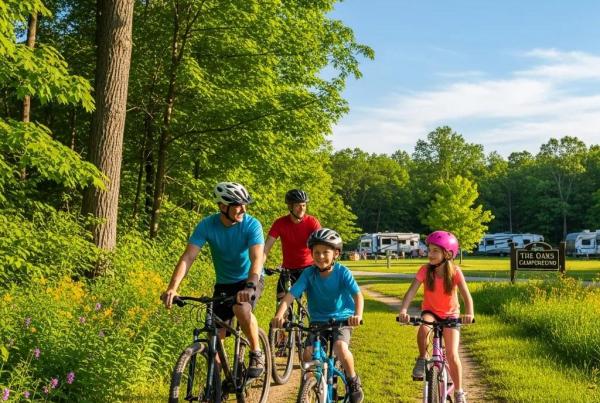
The Oaks Campground by GatherGrounds is designed for families who want easy trail access and flexible outdoor options. On-site, a network of multi-use paths across roughly 120 acres lets families move between campsites, loops, and amenities with minimal effort — many use golf carts to carry gear or give little legs a lift. The Oaks also sits next to Waterloo State Recreation Area, expanding opportunities for longer hikes, bird-watching, and varied habitats. That mix of on-property convenience and adjacent parkland makes it simple to plan everything from short toddler walks to longer family outings in a single trip.
Below is a quick at-a-glance table summarizing trail types and common uses for visitors considering The Oaks for a trail-centered family stay.
What On-Site Trails and Golf Cart Paths Are Available at The Oaks Campground?
The Oaks features an on-site network covering about 120 acres designed for walking and golf cart use, keeping families together and cutting down long walks to points of interest. These paths form short loops connecting campsites with the swimming lake, fishing pond, playgrounds, and pavilions, so you can move between activities quickly while staying visible and safe. Families often use golf carts to extend outings or carry gear, and pick short walking loops when they want to focus on nature observation or light exercise. Since trails begin inside or very near the campground, arrival and daily logistics stay simple and you can plan several short excursions each day without extra driving.
How Does Proximity to Waterloo State Recreation Area Enhance Hiking Opportunities?
Being next to Waterloo State Recreation Area widens your hiking options with more than 20,000 acres of varied habitats, longer multi-use trails, and strong birding spots that pair well with short on-site hikes. Campers can mix morning loops at The Oaks with afternoon trips into Waterloo for longer routes, visitor centers, or special observation sites — a good way to build skills and vary the day’s pace. Trailheads and parking near the campground make Waterloo easy for day trips without long drives. Together, campground loops and nearby state-park trails give families a menu of route lengths and scenery — wetlands for birding, shaded forests for cool walks, and ridgelines for views — so you can tailor outings by age and interest.
Now we’ll move from this local example to general criteria you can use when choosing hiking-friendly campgrounds across Michigan.
What Should You Consider When Choosing Hiking-Friendly Campgrounds in Michigan?
Picking a hiking-friendly campground means checking trail variety, family amenities, safety features, and nearby attractions — the mix determines whether a site fits your family’s needs for convenience and adventure. Ask whether there are short loops for small children and longer routes for adults, and look for amenities that support comfort and learning like shallow ponds, playgrounds, pavilions, and community events. Travel time from nearby cities matters for weekend trips when you want to maximize outdoor hours. The checklist below highlights the main criteria to compare campgrounds efficiently.
Use this quick selection checklist when evaluating campgrounds:
- Trail variety: Short loops plus longer adjacent trails for skill progression.
- Family amenities: Play areas, water access, interpretive programming, and shelters.
- Safety and accessibility: Clear signage, campsite proximity to trailheads, and kid-friendly surfaces.
- Proximity to attractions: Nearby parks, birding spots, or other natural points of interest.
These criteria form a compact decision framework; the table below maps each factor to why it matters and how to check it in practice.
How to Evaluate Trail Difficulty, Length, and Scenic Value Near Campgrounds?
Judge trail difficulty by distance, elevation change, surface type, and standout scenic features. Rate trails as easy, moderate, or hard based on those factors and the youngest or least-fit family member’s ability. Easy trails are usually under two miles with very little elevation change and soft or compacted surfaces suitable for strollers or small legs; moderate routes add distance or steeper grades; hard trails need endurance and better footing. Scenic value—wetlands for birding, ridgelines for views, shady forests for cool walks—affects how rewarding a hike feels for the effort. Pick routes where the view or destination matches expected exertion so outings stay positive and confidence-building.
What Are Essential Gear and Planning Tips for Trailside Camping Trips?
Pack sturdy footwear for uneven ground, layered clothing for changing weather, sun protection, a basic first-aid kit, child carriers for longer walks, and refillable water bottles or hydration packs. Before a hike, check trail conditions, set realistic time windows with breaks and play, and have a plan for bad weather or tired kids. For children, bring snacks, simple field guides or journals, and a light seat for rest stops. Safety basics include sharing your route plan, keeping a charged phone or emergency contact, and knowing the nearest access points to return to camp quickly. With the right gear and realistic pacing, families can enjoy short lessons in nature and longer exploratory hikes during the same stay.
How Can You Plan a Memorable Family Camping Trip With Hiking Opportunities?
Planning a family camping trip that includes hiking is a step-by-step process: pick the right campground, reserve a campsite near trails, gather appropriate gear, build a flexible itinerary, and set clear expectations with kids about pacing and behavior. A simple timeline helps — book early for busy weekends, prepare packing lists a week ahead, assign roles like snacks or navigation, and mix short and longer activities so everyone wins. Use morning hikes for energy, midday for water or rest, and late-afternoon for gentle exploration or nature games to balance the day and keep spirits high. The checklist below gives practical steps to organize bookings and itineraries for hiking-focused family trips.
- Choose and reserve a campsite near trailheads: Prioritize proximity for easy supervision.
- Pack kid-specific gear: Child carriers, snacks, sun protection, small field guides.
- Design a flexible itinerary: Mix 20–45 minute hikes with water play and rest.
- Communicate expectations: Set simple rules and engagement activities for children.
After selecting dates and packing gear, a few logistical steps on arrival make trail access smooth, as described next.
What Are the Best Practices for Booking and Accessing Trailside Campsites?
Reserve trailside sites early for peak weekends and community events; choosing a site close to trailheads and amenities cuts walking time and makes supervision easier. When you book, confirm whether the campsite borders on-site loops and ask about rules for golf carts or bikes on trails — permitted uses shape how you’ll move around. On arrival, set a visible meeting spot, point out campsite boundaries to kids, and run a quick trail-safety briefing covering key route markers and expected behavior. Seasonality — bugs, peak birding times, or scheduled events — should influence when you visit and what to pack so you get the experience you expect.
Which Local Attractions and Trail Etiquette Should Families Know?
Adding nearby attractions — scenic overlooks, birding areas, or family-friendly visitor centers — gives variety to hiking days and creates reward points for kids. Pick one or two highlights before you arrive to shape outings. Trail etiquette — yield rules, leave no trace, stay on marked paths, and control pets — preserves trail quality and keeps interactions with others safe; teaching these basics to young explorers sets good habits. Check local resources like park notices, ranger stations, or campground bulletin boards for current conditions, closures, or events. Respectful behavior plus planned attractions protects the experience and models stewardship for the next generation of outdoor lovers.
If you’re ready to book a trail-access campsite and plan a paced, family-friendly trip, look for campgrounds that match the checklist above and balance on-site convenience with nearby park variety — giving you short-form loops and longer hikes to grow into.
Frequently Asked Questions
What types of trails are best for families with young children?
Short, well-marked loops with gentle grades work best for young children. Choose trails with soft or compacted surfaces that are stroller-friendly and limit hazards. Trails that return near the campsite make supervision easy. Features like shallow water access or interpretive signs add interest and make hikes more interactive and educational for little explorers.
How can families ensure safety while hiking with kids?
Pick clearly marked trails with little elevation change, bring child-specific gear like lightweight daypacks and sun protection, and use engagement tools such as scavenger hunts to keep kids focused. Set a meeting point in case someone gets separated and explain simple trail rules before you go. Regular rest and hydration breaks help prevent fatigue and keep everyone safe and happy.
What should families pack for a successful hiking trip?
Pack sturdy footwear, layered clothes for changing weather, sun protection, and a basic first-aid kit. Bring refillable water bottles and snacks, and consider child carriers for longer hikes. Small comforts — field guides, nature journals, or lightweight seats — make breaks more enjoyable and keep kids engaged between activities.
How can families balance hiking with other camping activities?
Build a flexible itinerary that mixes short hikes, water play, and rest. Use morning hikes when energy is high, reserve midday for swimming or quiet time, and plan late-afternoon exploration or educational activities. A varied schedule ensures everyone gets a fulfilling day without feeling rushed.
What are some tips for planning a camping trip focused on hiking?
Start by choosing a campground with direct trail access and reserving a site near trailheads. Prepare a packing list well in advance that includes kid-specific gear and snacks. Set expectations with children about pacing and behavior, and time your trip for local seasonal highlights or events to add extra opportunities for exploration.
How can families find local attractions near their camping site?
Research the campground’s surrounding area before you go. Look for scenic overlooks, visitor centers, or standout natural features to use as destinations during hikes. Local tourism sites, park rangers, and campground bulletin boards are great for finding nearby attractions. Planning a few small stops can add variety and make the trip more memorable for everyone.
Conclusion
Campgrounds with direct trail access make family camping easier and more rewarding by combining convenience, safety, and a wider range of outdoor activities. They support physical health through regular hiking, boost mental well-being with natural breaks, and create shared moments that strengthen family ties. Prioritizing trail-access campgrounds lets you plan trips that suit every age and interest — start exploring recommended sites and make your next family getaway both relaxed and active.