How to Choose Michigan Seasonal Camping Sites: A practical guide to the best seasonal campgrounds and RV spots
Seasonal camping in Michigan means claiming a single campsite as your home base for the season — weeks or months at a time instead of recurring one-night stays. This guide walks you through what seasonal camping looks like, why so many Midwest families choose it, and how to compare seasonal campgrounds and RV sites in Michigan so you can focus on what matters most. Most people want convenience, an active community, and lower costs when they visit often; seasonal sites deliver those perks while making storage, personalization, and neighborly routines easier. Below you’ll find clear decision criteria, a planning-and-budget checklist, amenity comparisons including full hookup expectations, notes on accessibility for Detroit and Ann Arbor commuters, and a practical look at how The Oaks Campground by GatherGrounds Resorts supports seasonal campers. By the end you’ll feel ready to compare seasonal costs, infrastructure needs, family amenities, and the reservation steps that lead to a confident seasonal booking.
What Is Seasonal Camping in Michigan and Why Choose It?
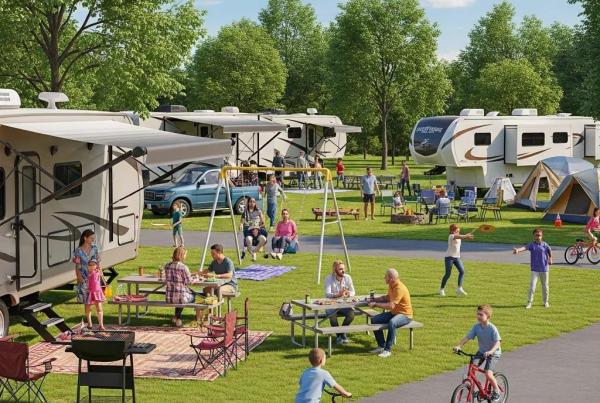
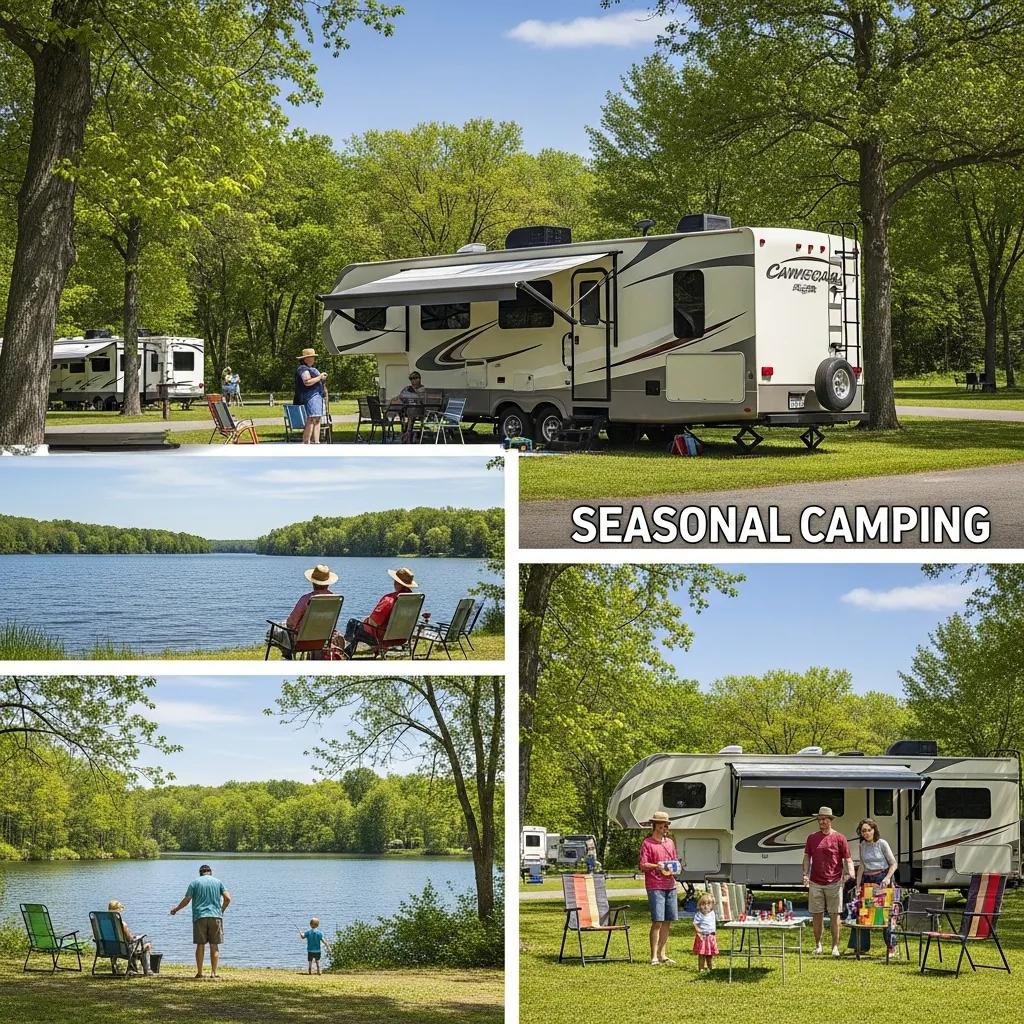
Seasonal camping in Michigan means renting the same site for a large portion of the camping season — usually spring through fall — so you can show up without rebooking every time. Seasonal arrangements assign one parcel (for an RV or campsite) to a household for the season, which makes frequent visits simpler, lowers per-visit costs, and helps neighbors become a community. Seasonal sites often blend residential comforts like full hookups and winter storage with campground services and programming, creating something between an RV park and a recreational neighborhood. Knowing this model helps you prioritize utilities, on-site recreation, and location when you choose a seasonal campground in Michigan.
Seasonal camping offers three clear benefits for Michigan visitors:
- Reliable access to your site and lower marginal cost for frequent visits over an entire season.
- A built-in community and continuity through repeated on-site events and familiar neighbors.
- Practical convenience from stable hookups, on-site storage, and campground services.
Those advantages appeal to families, retirees, and weekend commuters who want dependable outdoor time without the hassle of nightly bookings. Read on to see how The Oaks Campground supports seasonal campers with dedicated sites and family-oriented programming that reflect these benefits.
How Does Seasonal Camping Differ from Short-Term Camping?
The main differences are duration, control of the site, and what you expect from infrastructure. Seasonal renters commit for months, which lets them make small, reversible site improvements, keep gear on-site, and rely on utilities like water, electric, and sewer for ongoing comfort. Short-term campers book nights or weekends, use transient services, and rarely have winter storage or repeat-visitor programming. Those differences show up in contracts, deposit rules, and park policies — seasonal agreements often address maintenance, allowed improvements, and participation in community events.
Because seasonal camping means ongoing occupancy, infrastructure reliability and campground management matter more. Ask about utility maintenance, rules for items left on site, and whether winterization or storage is offered. Knowing these operational details helps you decide whether a seasonal site fits your travel habits and lifestyle.
What Makes Michigan Ideal for Seasonal Campers?

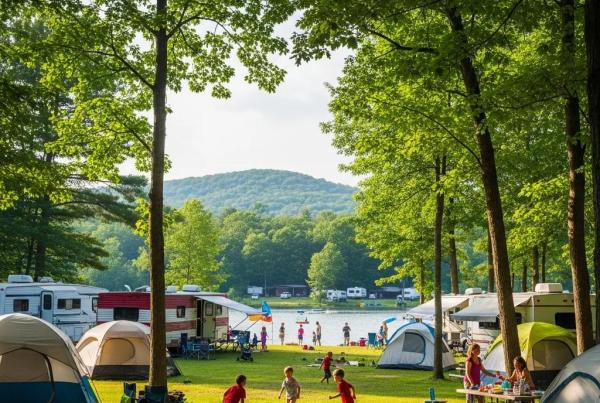
Michigan’s mix of inland lakes, long shorelines, and expansive state recreation areas creates many options for seasonal outdoor living. Close access to trails, waterways, and wildlife makes seasonal sites natural gateways for boating, fishing, birding, and trail riding, while the state’s strong camping culture supports family programs and campground events that enrich seasonal stays. Many campgrounds are within reasonable drives of Detroit and Ann Arbor, making them ideal for weekend commuters who want regular outdoor time without long drives. Recent investments in campgrounds reflect steady interest in RV ownership and longer-stay outdoor recreation across Michigan.
If you want both water access and trails, Michigan’s combination of public parks and private campgrounds offers a lot of variety and accessibility. Nearby state attractions give you extra day-trip choices and keep each season feeling fresh — a nice balance to regular on-site relaxation.
Which Key Amenities Should You Expect at Michigan Seasonal Campgrounds?
When evaluating seasonal campgrounds in Michigan, prioritize the infrastructure that supports extended stays and the lifestyle amenities that keep families active. Essential technical features include dependable full hookups — water, electric, and sewer — consistent Wi‑Fi where needed, solid road and site maintenance, and winter storage or winterization options. Recreation and family-friendly offerings like swimming areas, fishing ponds, safe golf cart trails, playgrounds, and an on-site store make seasonal living easier and more fun. Looking at both the technical and lifestyle sides helps you match a campground’s offerings to your comfort and family programming needs.
Below is a compact amenity comparison to show what typical seasonal sites include and where top campgrounds may go further.
This table compares common seasonal-site amenities and what they include:
Why Are Full Hookups Essential for Seasonal RV Sites?
Full hookups — water, reliable electrical service, and sewer — are the backbone of a comfortable seasonal RV site. Electricity levels matter for heating, appliances, and any winterization equipment; steady water pressure supports cooking and cleaning; and sewer access removes frequent pump-out hassles. Hookups shift a campsite from temporary convenience to practical long-stay living by reducing repetitive setup work and keeping daily life close to “home.”
Before you commit to a seasonal site, confirm the pedestal amp rating, seasonal water availability, and how wastewater is handled. These technical checks prevent surprises and help you budget for utility costs and maintenance responsibilities all season long.
What Family-Friendly Amenities Enhance the Seasonal Camping Experience?
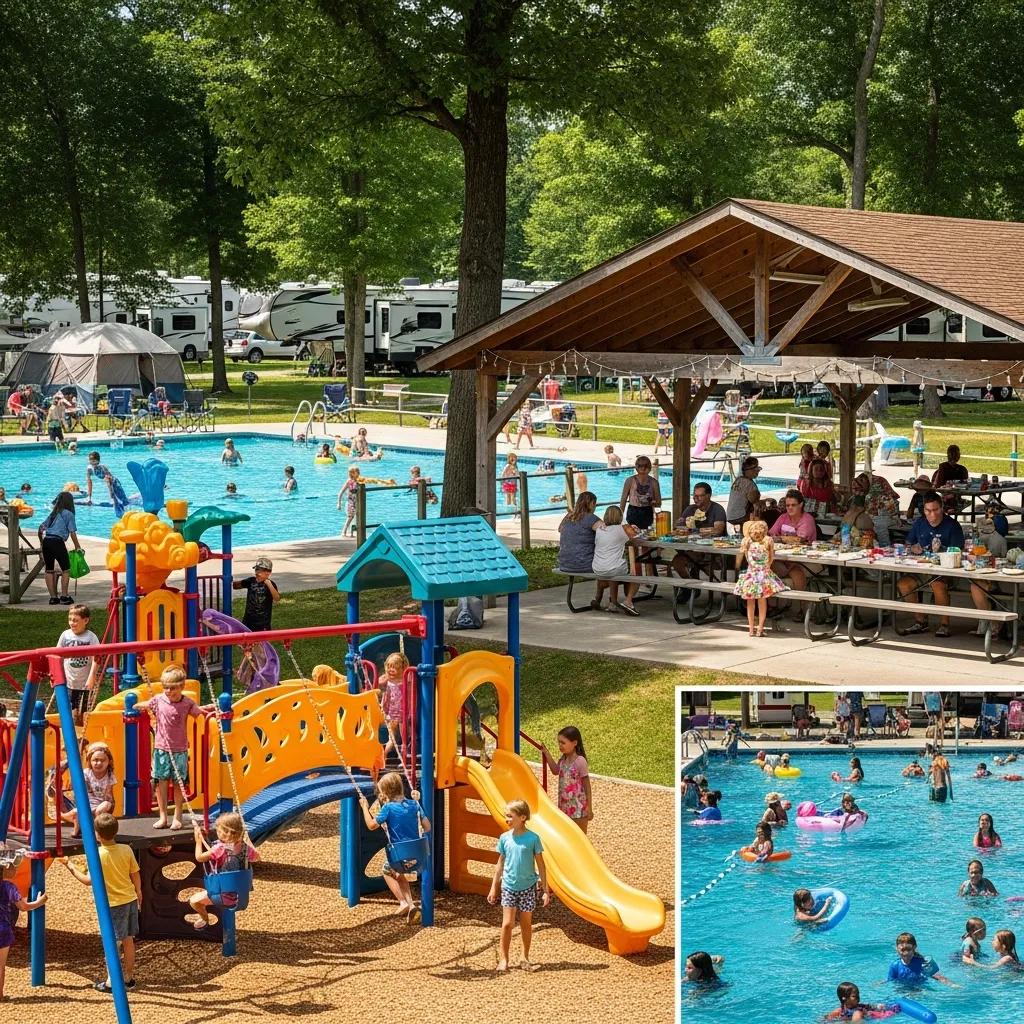
Family amenities turn a seasonal campsite into a neighborhood. Water features like roped swim areas and inflatable attractions encourage daily play, while fishing ponds offer easy angling for all ages. Safe golf cart trails and playgrounds help families move around the park and keep kids entertained. Pavilions and a camp store simplify day-to-day life for seasonal guests. Community programming — weekend events, themed activities, crafts, and friendly competitions — creates repeatable reasons to return each season.
These family features boost satisfaction and seasonal retention by creating social ties and predictable entertainment. When evaluating campgrounds, choose amenities that mesh with your children’s interests and the community vibe you want.
How to Plan Your Seasonal Camping Experience in Michigan Effectively?
Planning a seasonal camping stay means budgeting for site fees, utilities, and extras, timing reservations to seasonal demand, and reviewing contract terms that cover storage, site changes, and cancellations. Early planning improves site choice and placement for sun, shade, and proximity to amenities; many seasonal campers reserve months ahead to align with school schedules or equipment upgrades. Compare what site fees include — utilities, events, trash service, and winter storage — so you understand the full seasonal cost. A simple checklist and a clear cost breakdown will make decisions faster and reduce surprises when signing.
Here’s a step-by-step planning checklist to guide you:
- Review total cost components and confirm which utilities and services are included with the seasonal site.
- Note reservation windows, deposit amounts, and any documentation required for seasonal contracts.
- Visit the site or request accurate maps and photos to confirm orientation, hookup placement, and distance to family amenities.
- Clarify winterization, storage options, and rules about improvements or personal items left on-site.
This EAV-style table clarifies common cost components so you can budget accurately:
What Are Typical Seasonal Campsite Rental Costs and Value Factors?
Seasonal rates vary by location, amenity level, and what’s bundled. Proximity to metros, on-site features, and whether utilities or storage are included drive value. Campgrounds nearer Detroit or Ann Arbor often cost more because of commuter demand and shorter drives, while remote parks trade price for more quiet and natural space. When judging value, consider how often you’ll visit, which amenities you’ll use most, and the campground’s reputation for maintenance and programming. Families who use on-site events and water amenities frequently often find higher-priced sites deliver better satisfaction and retention.
Ask for recent seasonal agreements and sample invoices to understand variable charges. A low headline rate that leaves out utilities or storage can end up costing more than a slightly higher all-inclusive seasonal fee.
How Do You Choose the Best Seasonal Campground Near Detroit and Ann Arbor?
Pick the campground that matches your drive-time tolerance and the amenities your family will actually use. Weekend commuters should prioritize short drives and easy highway access; full-season residents might value trails, water recreation, and a rich events calendar more. Check road conditions, proximity to groceries and medical services, and availability of family services like a camp store and playgrounds. Reputation, clear contracts, and responsive on-site management are essential to avoid surprises during busy months.
Practical steps: map drive times from your home to shortlist parks, read recent guest reviews for management reliability, and visit potential campgrounds during peak weekends to see programming and neighbor interactions firsthand. Those observations will help you match commute tolerance to the lifestyle benefits of each site.
What Unique Features Does The Oaks Campground Offer for Seasonal Campers?
The Oaks Campground, run by GatherGrounds Resorts at 7800 Cutler Rd, Munith, MI 49259, presents itself as a family-first seasonal destination with broad recreational assets and community programming built for seasonal RV sites. Key offerings include full-hookup seasonal sites, a swimming lake with a Wibit water park planned for 2026, a large fishing pond, and more than 120 acres of golf cart riding trails. The Oaks focuses on family weekend events, themed activities, crafts, and friendly competitions, supported by playgrounds, pavilions, and an on-site camp store that make daily life easy for seasonal residents. For planners looking for seasonal options near Detroit or Ann Arbor, The Oaks shows how infrastructure and programming can combine to support seasonal living.
How Do The Oaks’ Full Hookup Sites and Amenities Stand Out?
The Oaks’ seasonal sites deliver the expected full hookups — water, electric, and sewer — and pair those essentials with recreational features that support everyday family life. The swimming lake and fishing pond give easy access to water activities, and 120 acres of golf cart trails provide safe on-property mobility for kids and seniors. Planned additions like the Wibit water park (targeted for 2026) show ongoing investment in water-based attractions that add year-to-year value for seasonal campers. Together, these features reduce friction for daily living, expand recreation options for all ages, and support the social programming that builds a community.
If you’re comparing technical specs, verify hookup configurations and trail connections, and treat planned upgrades as signals of long-term investment in amenity quality. The Oaks pairs reliable infrastructure with family-focused recreation to create a strong seasonal offering.
What Community Activities and Events Foster a Seasonal Camping Experience?
Community activities transform a set of sites into a neighborhood where families form traditions and friendships across the season. The Oaks schedules weekend events, themed activities, crafts, and friendly competitions that engage both kids and adults, creating repeatable social anchors that encourage renters to return. That programming supports intergenerational participation — kids’ activities, family contests, and community potlucks — which deepens attachment and improves seasonal retention. Regular events give seasonal campers structured opportunities to connect, swap skills, and celebrate holidays together.
These “soft” amenities often justify seasonal fees because they create repeatable value and entertainment without extra travel. When evaluating parks, ask managers for a seasonal events calendar and examples of past programming to make sure the schedule fits your family.
Where Can You Find the Best Seasonal Camping Sites Across Michigan?
Finding the best seasonal site depends on balancing commute time to metro areas with access to natural attractions that support your activities. Lake-rich regions and state recreation areas offer strong day-trip options, while parks closer to Detroit or Ann Arbor cut down travel for frequent weekend visits. Evaluate camps by drive time from your home, the range of nearby outdoor activities, and the campground’s internal connectivity — trails, water features, and family services that reduce how often you need to leave the property. A simple accessibility matrix can help you weigh commute time against amenity value and pick a site that fits both lifestyle and logistics.
This EAV table summarizes typical drive times and camper profiles so you can match access expectations to use cases:
Which Seasonal Campgrounds Are Most Accessible from Major Metro Areas?
Campgrounds within quick drives of Detroit and Ann Arbor usually emphasize short commute windows and family programming, making them ideal for weekend visitors who head home each night. Consider highway access, site road quality, and closeness to everyday conveniences like groceries and medical services — important when families make frequent short trips. More distant campgrounds trade convenience for larger natural buffers, bigger trail networks, and quieter shorelines. Match accessibility to how often you’ll visit and what family needs you want met.
Visit prospective parks on a busy weekend to observe traffic flow, signage, and parking, and confirm whether management enforces rules that keep the environment safe and family-friendly for recurring visitors.
How Does Proximity to Natural Attractions Like Waterloo State Recreation Area Enhance Camping?
Being near larger natural areas like Waterloo State Recreation Area expands what seasonal campers can do: longer trail networks, richer birding and wildlife viewing, and additional water activities beyond what the campground offers. Day trips to nearby state parks broaden seasonal itineraries and provide access to technical trails, boat launches, and interpretive programs that camp calendars rarely duplicate. Proximity to those attractions increases the long-term value of a seasonal site by adding variety that complements daily on-site recreation. For families and nature lovers, it creates a dynamic seasonal experience that mixes home-park ease with off-site adventure.
When picking a site, plan a few day-trip ideas — extended hikes, guided nature walks, or large-lake boating excursions — to make the most of nearby state recreation areas.
This EAV table offers a quick reference for proximity and activity tie-ins:
What Are Common Questions About Michigan Seasonal Camping?
Seasonal campers often ask about benefits, costs, contracts, and booking logistics; clear, concise answers help prospective renters compare campgrounds and avoid surprises. Below are straightforward responses to common questions, focused on the operational details you should confirm with campground management before committing, plus suggested points to get in writing.
What Are the Benefits of Seasonal Camping in Michigan?
Seasonal camping gives you consistent access, community connection, and more predictable costs if you visit often. It lets you personalize a site, take part in campground programming, and skip packing up for every trip. Nearby natural attractions broaden recreational options for anglers, hikers, and paddlers, while stable hookups and storage options protect gear and reduce wear on your vehicle.
These advantages appeal especially to families, retirees, and commuters who value reliable access and social continuity over occasional stays.
How Do Seasonal Camping Contracts and Reservation Processes Work?
Seasonal agreements usually require a deposit, a payment schedule, and written terms that cover utilities, site improvements, winter storage, and cancellation policies. Managers may ask for RV documentation and enforce rules about on-site behavior. Because many parks open seasonal bookings months ahead, securing a preferred site often means committing early and paying a deposit. Before signing, confirm what’s included, how utilities are charged, and any restrictions on structures or vehicle age. Requesting a sample contract or a written summary reduces ambiguity and protects both sides.
Carefully review contract clauses and use a written checklist when talking with management. For current terms and availability at The Oaks Campground, contact their office to request the seasonal contract and site details.
- Understand payment schedules and deposit requirements.
- Confirm which utilities are included and how metering works.
- Request written policies on winter storage and site improvements.
These checks help ensure the agreement matches your budget and expectations for the season.
Frequently Asked Questions
What should I consider when choosing a seasonal campground in Michigan?
Look at proximity to natural attractions, the campground’s amenities, and the overall community vibe. Check infrastructure — full hookups, Wi‑Fi, and maintenance — and evaluate on-site recreational options like swimming, fishing, and trails. Also review policies on site improvements and community events, since those shape your day-to-day life at a seasonal site.
Are there specific seasonal camping regulations in Michigan?
Yes. Regulations vary by campground and locality. Learn local rules on site occupancy, waste disposal, and noise, and review park-specific policies on improvements, pets, and community behavior. Confirming these rules ahead of time helps avoid issues and keeps the experience enjoyable.
How can I save money on seasonal camping in Michigan?
Book early to catch promotional rates or discounts. Look for parks that bundle utilities and amenities to reduce surprise fees. Participating in community events adds value without extra cost, and sharing a seasonal site with family or close friends can cut expenses while increasing enjoyment.
What types of seasonal camping sites are available in Michigan?
Options include RV sites with full hookups, tent sites, and cabins or glamping units. RV sites usually provide water, electricity, and sewer; tent areas tend to be more rustic. Choose the type that fits your comfort needs and planned activities.
What are the best times to book a seasonal campsite in Michigan?
Many parks open seasonal reservations in the winter months, so booking early gives you more choice. The busy season runs late spring through early fall, and sites can fill quickly, so plan ahead for the best selection and rates.
How do I prepare for a seasonal camping experience in Michigan?
Make a checklist of gear, cooking supplies, and personal items. Review campground rules and amenities so you arrive ready. Plan meals and activities, and pack for changing weather to stay comfortable throughout the season.
Conclusion
Seasonal camping in Michigan gives families and RV owners predictable access, neighborhood-style community, and potential cost savings across a season. Knowing the key amenities to look for and planning carefully makes seasonal camping more rewarding and less stressful. Explore your options, weigh commute time against the on-site benefits you’ll use most, and consider whether a seasonal site fits your family’s routine and recreation goals. Start planning now to enjoy everything Michigan’s landscapes offer this camping season.