How to Find Top Campground Brokers Near You: A Complete Guide for Selling Your Campground
Finding a qualified campground broker requires focused research, clear vetting criteria, and an understanding of alternatives like direct buyers to decide the best route for your property. This guide explains what campground brokers and RV park brokers do, where to search for local and regional specialists, and how to verify credentials so you can confidently evaluate options. Many owners ask whether to pursue a broker-led sale or a direct acquisition, so the article also compares broker services against direct buyers and outlines the practical steps to sell without an intermediary. You will find checklists for documents, valuation methods, sample interview questions to ask potential brokers, and resources to stay current with market trends. By the end, you’ll have an action plan to locate and vet top campground brokers near you, plus an evidence-based alternative if you prefer a direct-sale route with a buyer that prioritizes legacy and a thoughtful transition.
What Are Campground Brokers and RV Park Brokers?
Campground brokers and RV park brokers are licensed intermediaries who specialize in marketing and closing sales of outdoor hospitality properties by matching sellers to qualified buyers, managing confidentiality, and guiding valuation and negotiation. They work by packaging operational and real estate information into confidential offering materials, leveraging buyer networks and listing platforms to generate competitive offers, and coordinating due diligence to a close. The specific value for an owner is reduced marketing burden, access to specialized buyers, and professional negotiation support that can protect sale price and terms. Understanding this intermediary role clarifies when a broker is the right path and sets up the next practical discussion: who these specialists typically are and how their backgrounds influence outcomes.
Who Are Campground Real Estate Agents and Outdoor Hospitality Brokers?
Campground real estate agents and outdoor hospitality brokers are professionals often drawn from commercial real estate, hospitality operations, or niche campground marketplaces, and they combine transactional licensing with sector-specific deal experience. Their work commonly includes deal origination, structuring licensed offering memoranda, coordinating site tours, and advising on valuation metrics that buyers recognize, such as revenue per site and occupancy trends. Specialization matters because a broker familiar with RV park appraisal methods, local regulatory issues, and the buyer networks for campgrounds typically negotiates more efficiently and anticipates due diligence requests. Assessing a broker’s background helps you determine fit and sets up the next topic: the concrete services these brokers deliver during a sale.
What Services Do Campground Brokers Provide?
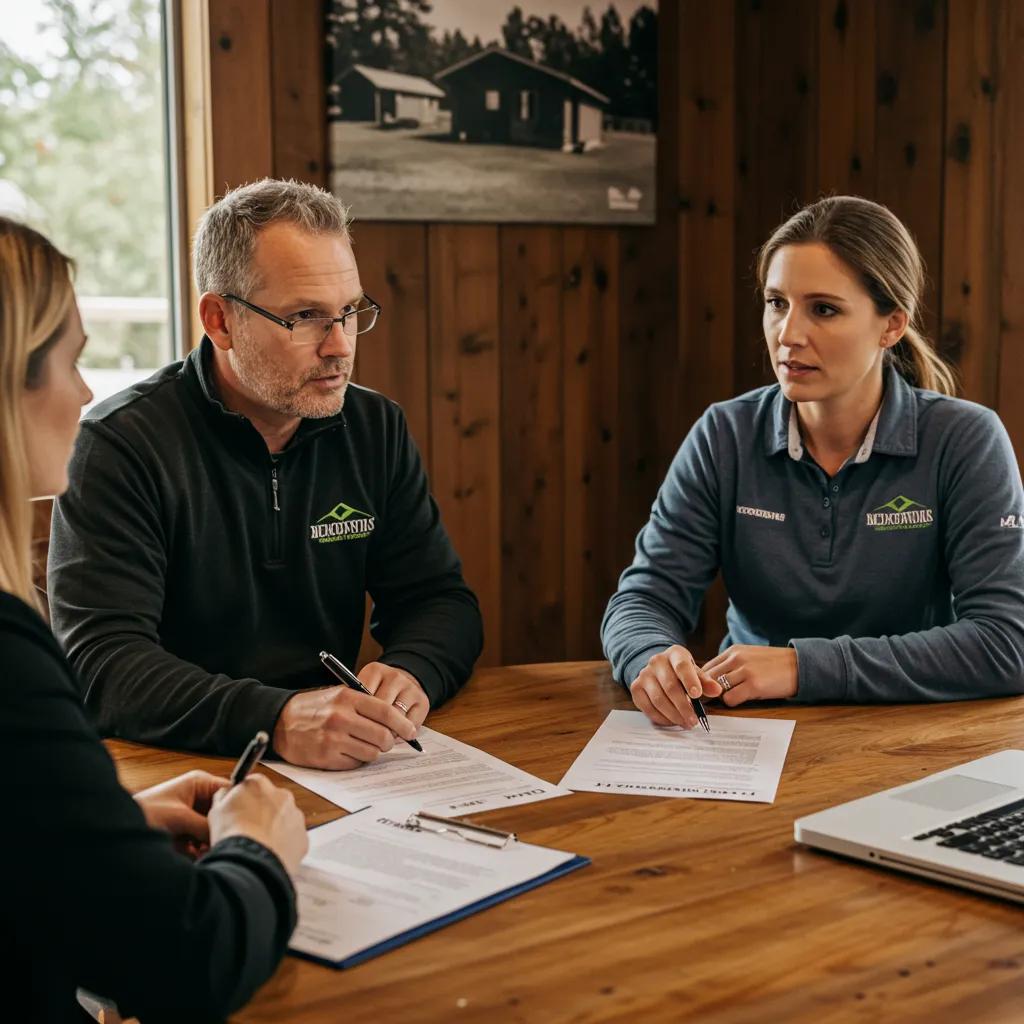
Campground brokers provide a defined set of services designed to maximize sale value and minimize seller exposure by handling marketing, valuation, buyer screening, and negotiations on the owner’s behalf. They create confidential offering materials, manage targeted outreach to qualified buyer segments, collect and vet non-disclosure agreements, and coordinate third-party reports such as appraisals or environmental reviews. Brokers also advise on price positioning, structure earn-outs or seller financing if appropriate, and shepherd the deal through closing logistics to protect the seller’s interests. Knowing the service list helps you compare broker offers directly and leads into how brokers differ from direct buyers in motivation and timelines.
- Campground brokers create confidential offering memoranda and market the property to specialized buyer networks.
- Brokers screen buyers and manage non-disclosure agreements to preserve seller confidentiality and negotiating leverage.
- Brokers coordinate valuation inputs and third-party reports, then negotiate terms to achieve a marketable closing.
These core services are the backbone of brokered transactions and frame the comparison with buyers who purchase directly.
How Do Campground Brokers Differ from Direct Buyers Like GatherGrounds Resorts?
Campground brokers act as intermediaries whose motivation is commission-based representation of sellers, while direct buyers pursue acquisition for operational integration and ownership. Brokers seek to maximize sale price across a broad buyer pool and may manage longer marketing timelines, whereas direct buyers like GatherGrounds Resorts evaluate properties against internal acquisition criteria to make quicker, often quieter offers. Typical differences include commission costs and broader buyer reach for brokers, versus potential faster close, lower transaction complexity, and transition continuity for direct buyers. When weighing options, consider whether you prioritize price optimization through wide-market exposure or a streamlined sale with a buyer focused on preservation and continuity.
How Do You Find the Best Campground Brokers Near You?
Finding top local or regional campground brokers combines targeted searches with strict vetting of experience, transaction history, and local market insight to ensure fit and capability. Start with prioritized search sources that specialize in outdoor hospitality, combine referrals from the industry, and verify credentials through licensing and references. Clear vetting criteria—past campground deals, buyer network reach, and marketing approach—help you rank brokers objectively. After you identify candidates, follow verification steps to confirm performance and reputation, and consider alternatives like direct buyers if your property and timeline align with immediate acquisition offers.
What Criteria Should You Use to Evaluate Campground Brokers?
Evaluate brokers using concrete criteria that predict transaction success: relevant campground transaction experience, depth of buyer relationships, marketing capabilities, and demonstrated negotiation outcomes. Ask for a list of closed deals that are similar in property type and region, request sample marketing materials, and review their approach to confidentiality and buyer qualification. Also assess logistical capabilities such as handling of environmental or permitting issues, and whether the broker provides measurable performance milestones in their engagement agreement. These evaluation points lead naturally into where to search for brokers who meet them.
Where to Search for Local and Regional Campground Brokers?
Use a prioritized approach to find brokers: specialized listing platforms and marketplace networks first, then industry trade associations and regional commercial real estate firms that maintain outdoor hospitality divisions. Search queries that combine “campground” or “RV park” with “broker,” “listing,” or “marketplace” reveal specialized intermediaries, while association directories and trade publications highlight active practitioners and deal announcements. Local commercial brokers with outdoor hospitality experience can add regional zoning and permitting knowledge that national firms may miss. This search strategy clarifies candidate sources and transitions to verification steps to confirm credibility.
- Specialized campground listing platforms yield focused exposure to active buyers.
- Industry associations and trade publications provide vetted directories and deal announcements for brokers.
- Regional commercial real estate firms offer local market knowledge and regulatory navigation for complex sales.
These search channels produce candidate brokers to verify using the next set of checks.
How to Verify Broker Credentials and Reputation?
Verifying credentials requires checking licensing, requesting seller references, reviewing sample listings, and searching public records or complaints for red flags. Contact listed references with a short script asking about timeline adherence, marketing transparency, and closing outcomes to assess reliability and consistency. Confirm professional affiliations and any specialty certifications the broker cites, and validate sample closing documents when possible to ensure claimed deals are accurate. A careful verification process reduces surprises during diligence and prepares you to negotiate the engagement terms that protect your timeline and confidentiality.
What Are the Benefits and Drawbacks of Using Campground Brokers?
Using a campground broker can increase sale exposure, capture broader buyer demand, and provide negotiation expertise, but it also introduces commission costs, potential timeline extension, and confidentiality risks that owners must weigh against alternatives. Brokers often deliver added value through targeted marketing and buyer vetting, yet their intermediary role can add a layer of complexity and delay to closing. Quantifying these trade-offs helps owners choose the route that best aligns with objectives like price maximization, speed, or preservation of property legacy. To make this comparison concrete, consider the following direct comparison of broker versus direct buyer characteristics.
This table clarifies practical differences so owners can weight transaction costs against desired outcomes, and it sets us up to discuss broker-specific advantages and fees.
What Are the Advantages of Selling Through a Broker?
Selling through a broker provides professional marketing, access to a wider buyer network, and strategic negotiation that can protect sale price and terms for complex properties. Brokers package financials and site information into confidential offering memoranda that attract qualified investors and operators, and they filter and pre-qualify buyers to limit time spent on non-serious inquiries. Their experience coordinating due diligence and escrow processes can reduce seller workload and address regulatory hurdles. When maximizing competitive tension is the priority, those broker advantages often justify their fee structure.
What Are Common Broker Fees and Commissions?
Broker fees for campground and RV park sales typically follow commission-based structures with percentages that reflect transaction complexity, marketing effort, and property value, and may include retainer arrangements in some engagements. While exact ranges vary, commissions fund buyer outreach, marketing collateral, and negotiation services and can affect net proceeds to the seller. Ask prospective brokers for a detailed fee breakdown that explains what is covered—advertising, listing distribution, and travel expenses—to avoid surprise costs. Understanding fee structure leads directly to discussion of common challenges and how to mitigate them.
Clarifying fees in writing helps align expectations and creates room for negotiating performance milestones or partial fee structures linked to outcomes.
What Are Potential Challenges When Working with Brokers?
Common challenges include exclusive listing agreements that lock in a broker without performance guarantees, elongated marketing timelines that conflict with seller objectives, and information leakage that compromises confidentiality. Misaligned incentives can occur when brokers prioritize broad exposure without protecting seller interests, and disputes may arise without clear performance milestones in the engagement contract. Mitigation strategies include negotiated exclusivity windows, defined marketing plans, and specific termination or performance clauses to align broker activity with seller goals. Evaluating these risks prepares owners to craft stronger engagement terms when they hire a broker.
How Can You Sell Your Campground Without a Broker?
Selling without a broker—via a private sale or direct acquisition—lets owners pursue a streamlined transaction by marketing privately, negotiating directly with buyers, and controlling confidentiality and transition terms. The mechanism involves preparing a concise information package, identifying prospective buyers directly, managing non-disclosure agreements, and negotiating terms and due diligence without intermediary commissions. Direct sale advantages include potentially faster closings and lower transaction costs for owners focused on a discreet, values-aligned transition. The next sections describe specific advantages of selling to direct buyers like GatherGrounds Resorts, outline the acquisition process, and offer decision criteria for choosing direct sale.
What Are the Advantages of Selling Directly to Buyers Like GatherGrounds Resorts?
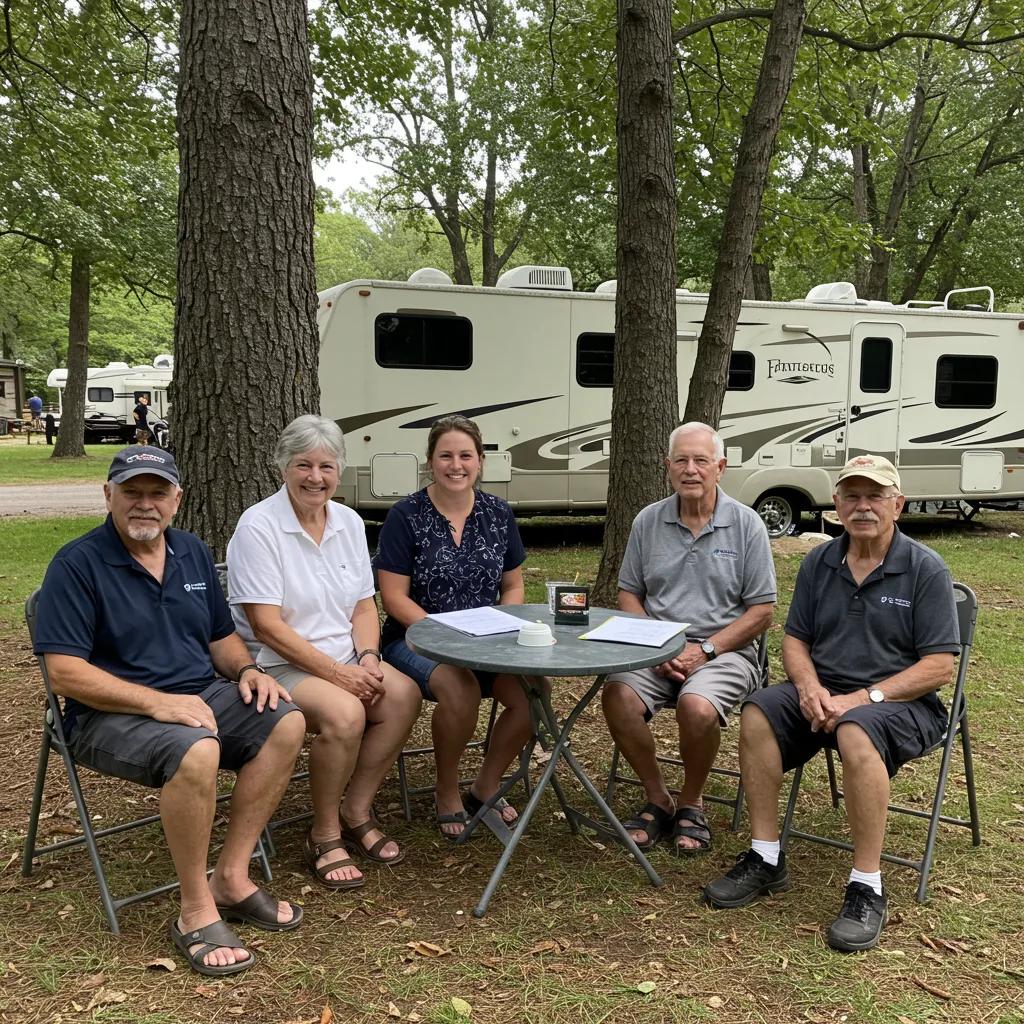
Selling directly to buyers like GatherGrounds Resorts can offer a no-commission path, a potentially faster close, and a transition designed to preserve the campground’s legacy, especially for owners prioritizing continuity. GatherGrounds Resorts presents itself as a family-owned approach that emphasizes thoughtful transition and maintaining traditions, and it concentrates on acquiring larger properties, targeting those with 130+ sites. For owners seeking a values-oriented buyer that may prioritize staff retention and family stewardship, direct acquisition can reduce complexity and protect community relationships. These benefits frame the practical steps of a direct acquisition and when it may be preferable to a brokered sale.
How Does the Direct Acquisition Process Work?
A direct acquisition typically follows a clear sequence: initial confidential inquiry, preliminary information exchange and property criteria check, letter of intent or offer, due diligence period with document review and site inspection, and closing with transition planning. Timelines can compress when both parties agree on terms and required documents—financial statements, site maps, permits, and operating agreements—while direct buyers may waive extended marketing windows in favor of operational fit. Managing the process yourself requires preparing accurate materials and designating a point person for buyer communications to keep negotiations efficient. This numbered process leads into decision criteria that indicate when direct sale is the right path.
- Initial contact and criteria check: Share high-level property facts under NDA to confirm fit.
- Preliminary offer: Receive a letter of intent reflecting key terms and timeline.
- Due diligence: Provide requested documents, permit access, and confirm operational metrics.
- Closing and transition: Agree on handoff details that preserve legacy and operational continuity.
These steps summarize common phases and prepare owners to gather required documents and timeline expectations.
When Is Selling Directly a Better Option Than Using a Broker?
Selling directly is often better when owners prioritize speed, confidentiality, or legacy preservation over maximizing exposure to a broad buyer pool, and when properties match a direct buyer’s acquisition profile. Indicators include a clear buyer match (for example, buyers that target larger properties), a firm desired timeline for exit, or a preference to avoid commission expense in exchange for a straightforward negotiation. Conversely, owners seeking maximum market competition to drive price may benefit more from broker representation. Reviewing these criteria helps owners make a strategic choice aligned with financial and non-financial goals.
How Do You Prepare Your Campground for Sale When Working with Brokers?
Preparing a campground for sale requires assembling comprehensive financial and legal documents, validating valuation inputs, and implementing targeted property improvements that increase buyer interest and sale value. Brokers will request records that demonstrate revenue, expenses, permits, and site infrastructure, and they will use that information to create valuation models and marketing materials. Improving infrastructure and amenities can materially affect buyer perception and multiples applied in offers. The next subsection lists the documents brokers typically require and introduces a detailed EAV table for clarity.
What Financial and Legal Documents Do Brokers Require?
Brokers commonly request profit & loss statements, tax returns, site maps, leases, permit records, insurance documents, and operating agreements to verify performance and liabilities. These documents allow brokers and buyers to build income-based valuations, validate expense assumptions, and identify permitting or environmental issues that could affect closing. Preparing accurate, organized records accelerates due diligence and improves buyer confidence during negotiation. The table below breaks down common documents, why they matter, and what format or example is typical.
Before reviewing the table, ensure records are complete and clearly labeled to expedite buyer review and support valuation.
Assembling these documents in advance reduces due diligence delays and positions the seller for stronger offers.
How Should You Value Your Campground Before Listing?
Valuation typically uses income-based approaches, comparable sales, and asset-based assessments to triangulate market value, with buyers focusing on metrics like revenue per site, occupancy rates, and EBITDA multiples. Brokers will model forecasted cash flow and apply industry multiples or comparable transactions to estimate fair market value while accounting for site count and amenity mix. Providing clear metrics and supporting documentation helps buyers and brokers converge faster on realistic pricing. This valuation clarity then guides which property improvements yield the most return on investment.
What Property Improvements Can Increase Sale Value?
Targeted infrastructure upgrades—improving water, sewer, and electrical systems—plus amenity enhancements such as upgraded bathhouses, site surfacing, and Wi-Fi systems, typically yield the highest buyer interest and valuation uplift. Cosmetic improvements and clear site organization reduce buyer perceived risk, while capital projects that expand rentable sites or improve utility capacity can materially increase income potential. Prioritize improvements that align with buyer expectations for your property type and document return-on-investment estimates to inform negotiation. Preparing improvements strategically sets up smoother buyer inspection and supports higher offers.
- Prioritize infrastructure upgrades that remove regulatory or operational concerns.
- Invest in amenity improvements that increase occupancy and justify higher nightly rates.
- Document costs and expected revenue uplift to present as part of marketing materials.
These practical upgrades combined with clean documentation increase buyer confidence and can shorten the sales timeline.
What Questions Should You Ask Potential Campground Brokers?
Asking targeted, experience-focused questions helps you vet brokers by revealing transaction history, marketing strategy, and alignment with your sale objectives. Focus on concrete requests—deal examples, references, marketing plans, and performance milestones—and use the answers to score brokers on fit and capability. A structured interview also surfaces red flags such as vague references, lack of relevant deals, or unwillingness to commit to timelines. The planned EAV table below provides a practical question-answer-red-flag framework to use while interviewing brokers.
Before the table, prepare a short script to ensure consistent evaluation across broker candidates and to compare responses directly.
How Experienced Are You with Campground and RV Park Sales?
Ask brokers for a quantified history of campground transactions, including property types, site counts, and regional experience to assess relevance to your listing. Request examples of past deals that match your scale and owner priorities, and probe for outcomes such as time-to-close and net proceeds after fees. Experience that aligns with your property type and local market increases the likelihood of a smoother sale and more accurate valuation. These specifics then support follow-up reference checks to validate claims.
Can You Provide References or Testimonials from Past Sellers?
Request at least three seller references from recent, relevant transactions and prepare a short reference-check script that asks about communication, timeline adherence, and negotiation results. References should be able to confirm the broker’s role in pricing, problem resolution during diligence, and final net proceeds. Verify that the references are comparable in property type and owner priorities to your situation to ensure meaningful feedback. Effective reference checks reveal consistency and help you prioritize brokers that demonstrate track records of seller-focused outcomes.
How Do You Market Campgrounds to Qualified Buyers?
Effective marketing blends confidential teasers, targeted outreach to buyer segments, and selective listing exposure on specialized marketplaces to reach qualified investors and operators. Brokers should present sample promotional materials—teasers and confidential offering memoranda—and explain buyer qualification criteria they use to filter inquiries. They should also describe confidentiality controls, such as staged information release and NDA processes, to protect seller interests. A clear marketing plan indicates the broker understands buyer channels and can generate competitive interest while safeguarding confidentiality.
- Ask for sample teaser materials and a list of buyer categories they target.
- Confirm staged information release practices tied to signed NDAs.
- Evaluate their buyer qualification process for specificity and rigor.
These marketing details help you measure a broker’s effectiveness and readiness to attract the right buyers.
Where Can You Find Additional Resources About Campground Brokers and Selling Your Campground?
Authoritative resources include industry associations, specialized listing platforms, and educational materials that explain valuation, transaction mechanics, and current market trends that influence campground sales. These resources support owners in comparing broker services, understanding fee structures, and assessing the market environment before deciding on a sales path. For owners considering a direct-sale alternative, company-provided resources can supplement general industry materials with practical, process-oriented guidance. The following subsections list associations and platforms, a framework for comparing broker services and fees, and recent market trends owners should monitor.
What Industry Associations and Online Platforms List Campground Brokers?
Industry associations and specialized marketplaces serve as primary directories for campground brokers and buyer communities, offering member directories, event listings, and market intelligence to connect sellers and brokers. Use association directories to find brokers with demonstrated sector focus and search specialized listing platforms to review active offerings and past deals. Trade publications and conference proceedings also highlight active brokers and emerging buyer trends. These channels are the best starting points for building a targeted list of candidates and segue into how to compare broker proposals.
How Can You Compare Broker Services and Fees?
Comparing broker services and fees requires a side-by-side scoring framework that weighs deliverables, marketing reach, exclusivity terms, timeline commitments, and total compensation to the broker. Create a simple comparison table scoring each broker on these metrics and include qualitative notes on sample materials and references to quantify intangible benefits. Prioritize metrics that directly affect net proceeds and closing certainty, such as buyer reach and performance milestones, rather than solely focusing on commission percentages. This framework helps you select the broker most likely to achieve your specific sale objectives.
What Are Recent Market Trends Affecting Campground Sales?
Recent market trends include sustained demand for outdoor hospitality assets driven by leisure travel patterns, evolving zoning and permitting regimes in some regions, and investor interest in stable, recurring-revenue campground assets. Valuation multiples and buyer appetite vary by region and property scale, with larger sites often attracting strategic operators and direct buyers focused on consolidation opportunities. Staying current on these trends helps sellers time a listing, choose the right buyer type, and set realistic valuation expectations. These market signals also inform whether a broker’s broad outreach or a targeted direct sale aligns best with your goals.
- Monitor demand indicators such as regional tourism growth and occupancy trends.
- Track regulatory developments that may affect site expansion or permitted uses.
- Compare valuation trends across comparable transactions to set expectations.
These trend checks complete the resource list and leave you prepared to decide between brokered and direct-sale pathways, including initiating a confidential conversation with a values-aligned buyer if appropriate.
Frequently Asked Questions
What Should I Consider When Choosing Between a Broker and a Direct Buyer?
When deciding between a broker and a direct buyer, consider your priorities such as sale price, timeline, and confidentiality. Brokers typically offer broader market exposure and negotiation expertise, which can maximize sale price. However, if speed and a straightforward process are more important, a direct buyer may be preferable. Evaluate your property type, the urgency of the sale, and whether you want to maintain legacy aspects of your campground. Each option has distinct advantages that align with different seller goals.
How Can I Prepare My Campground for Sale Without a Broker?
Preparing your campground for a direct sale involves gathering essential financial and legal documents, such as profit and loss statements, tax returns, and site maps. Additionally, consider making targeted property improvements that enhance appeal and value, like upgrading amenities or infrastructure. Create a concise information package for potential buyers and establish a clear communication plan to manage inquiries and negotiations. This proactive approach can streamline the selling process and help you achieve a favorable outcome without broker assistance.
What Are the Key Differences in Fees Between Brokers and Direct Buyers?
Brokers typically charge a commission based on the sale price, which can vary depending on the complexity of the transaction and the services provided. In contrast, direct buyers like GatherGrounds Resorts often do not impose commission fees, allowing sellers to retain more of the sale proceeds. However, direct buyers may have their own costs associated with due diligence and closing. Understanding these fee structures is crucial for evaluating the net proceeds from each selling option.
What Are the Risks of Using a Campground Broker?
Using a campground broker can introduce risks such as potential information leaks that compromise confidentiality, extended marketing timelines that may not align with your selling goals, and exclusive listing agreements that lock you into a contract without performance guarantees. Additionally, misaligned incentives may arise if a broker prioritizes broad exposure over your specific interests. To mitigate these risks, ensure clear engagement terms, set performance milestones, and maintain open communication throughout the process.
How Do I Assess the Market Value of My Campground?
To assess your campground’s market value, utilize income-based approaches, comparable sales analysis, and asset-based assessments. Focus on key metrics such as revenue per site, occupancy rates, and EBITDA multiples. Engaging a qualified broker can provide valuable insights and help model forecasted cash flows based on industry standards. Additionally, preparing accurate financial records and documentation will support your valuation efforts and enhance buyer confidence during negotiations.
What Should I Expect During the Due Diligence Process?
During the due diligence process, buyers will review critical documents such as financial statements, permits, and site maps to verify the campground’s operational performance and compliance. Expect to provide access to property inspections and answer questions regarding operational metrics. This phase is crucial for building buyer confidence and may involve negotiations on terms based on findings. Being organized and transparent during due diligence can facilitate a smoother transaction and help address any potential concerns early on.
How Can I Ensure a Smooth Transition After Selling My Campground?
To ensure a smooth transition after selling your campground, develop a comprehensive transition plan that outlines key operational details, staff roles, and customer relationships. Communicate openly with your team and stakeholders about the sale and the new ownership to maintain trust and continuity. Consider offering training or support to the new owners to help them acclimate to the property. A well-structured transition plan can preserve the campground’s legacy and ensure ongoing success under new management.
Conclusion
Finding the right campground broker can significantly enhance your selling experience by providing expert guidance, access to a broader buyer network, and strategic negotiation support. This comprehensive guide equips you with the knowledge to evaluate brokers effectively and consider alternatives like direct buyers, ensuring you make an informed decision that aligns with your goals. Take the next step in your selling journey by exploring our resources or reaching out to a qualified broker today. Your campground’s successful transition starts with the right partner by your side.