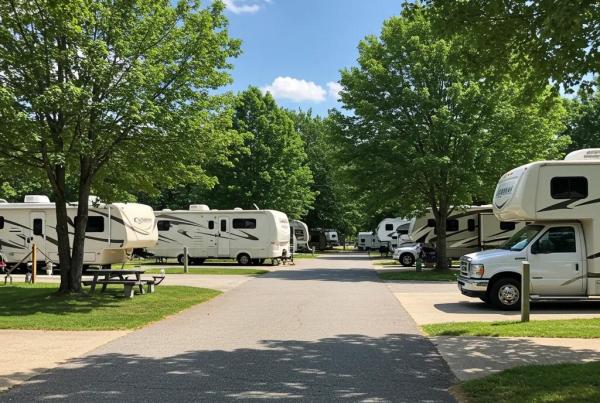
Discover the Best Campground Brokers for Selling Your Campground or RV Park
Selling a campground or RV park requires both market savvy and a clear exit strategy designed for outdoor hospitality properties. This guide helps owners find, evaluate, and partner with top campground brokers. You’ll learn what campground brokers do, how they value campgrounds, practical ways to choose a broker or explore alternatives, and how to prepare your property to maximize its sale value. For owners considering options beyond traditional listings, this article also introduces GatherGrounds Resorts‘ direct acquisition of campgrounds and RV parks – a family-owned choice for properties that fit specific criteria. Many owners worry about fees, timelines, or maintaining their property’s legacy and staff continuity. This guide addresses those concerns and outlines your choices between broker-assisted sales and direct buyers. The following sections detail broker roles, selection checklists, valuation methods with EAV tables, the pros and cons of each sales route, preparation checklists, interview questions for brokers, and practical resources for finding trusted representation or direct buyers. Throughout, keywords like campground brokers, RV park brokers, sell campground direct to owner, and campground valuation multiples are woven in to assist owners researching their exit strategy.
What Are Campground Brokers and How Do They Help You Sell?
Campground brokers are specialized real estate professionals who manage the sale of outdoor hospitality properties. They handle marketing listings, finding qualified buyers, preparing valuation analyses, and coordinating due diligence to close transactions. They are essential because these properties demand niche knowledge—understanding site-count economics, seasonal cash flow patterns, and buyer networks specific to campgrounds and RV parks—which leads to better seller outcomes through targeted outreach. Sellers benefit from professional marketing packages, confidentiality controls, and negotiation leverage that general brokers often can’t provide, making broker-assisted sales valuable when broad buyer exposure and competitive bidding are priorities. Understanding the broker’s role helps clarify when a brokerage is the right path versus exploring a direct sale to an owner-operator, which might favor legacy preservation and speed.
Campground brokers typically offer distinct services tailored to campground transactions. Below is an overview of core services most specialist brokers provide before we consider when a broker is preferable.
- Valuation & Financial Packaging: Brokers prepare revenue and earnings analyses and assemble prospectuses that highlight site counts, occupancy rates, and seasonal revenue patterns.
- Targeted Buyer Outreach: Brokers leverage buyer networks to connect with owner-operators, investors, and institutional buyers.
- Negotiation & Closing Coordination: Brokers manage Letters of Intent (LOIs), negotiations, and coordinate due diligence to streamline the closing process.
Who Are Campground Real Estate Agents and RV Park Brokers?
Campground real estate agents and RV park brokers are specialists who focus on hospitality land and operating businesses, rather than residential properties. They combine commercial real estate skills with expertise in the outdoor recreation sector. Their core competency lies in measuring site economics—site count, nightly rates, ancillary revenue streams—and translating operational metrics into transaction-ready financial narratives. Sellers should verify a broker’s specialization by looking for evidence such as closed campground transactions, sample marketing packages, and references from past owners to confirm their competence. These verification steps reduce the risk of hiring a generalist who lacks buyer network access or an understanding of seasonal cash flow nuances. Confirming specialization naturally leads to examining the broker-led selling process and typical deliverables.
How Do Campground Brokers Facilitate the Selling Process?
Brokers facilitate sales through a structured sequence: engagement and planning, valuation and marketing, buyer outreach and qualification, negotiation and due diligence coordination, and closing support. The process begins with data collection—Profit & Loss statements (P&Ls), occupancy logs, and site inventories—then moves to creating a confidential offering and distributing it to vetted buyers. Brokers also manage timelines, coordinate site visits, and assist with escrow and closing logistics, which reduces the seller’s workload and risk.
Typical timelines vary by market but usually involve several months from engagement to an executed sale. Appreciating these stages helps sellers set realistic expectations for sale timing.
What Are the Typical Fees and Commissions Charged by Brokers?
Broker fees for campground and RV park sales most commonly take the form of percentage-based commissions on the sale price. However, structures vary, and some may include tiered rates or retainers for marketing. Percent-based commissions affect net proceeds and should be evaluated against the broker’s demonstrated ability to increase the sale price or shorten the time on market. Sellers can negotiate fee terms, request caps on marketing expenses, or explore contingent fee structures that align incentives. Understanding fee mechanics is essential before interviewing brokers, and this leads into how to choose the best broker for your property.
How to Choose the Best Campground Broker for Selling Your Property

Choosing the right campground broker requires assessing their track record, marketing capabilities, local market intelligence, fee transparency, and cultural fit with your goals—especially if legacy preservation is important. A prioritized evaluation framework helps owners compare candidates objectively and determine which brokers can attract qualified buyers or whether a direct-sale route is preferable. The checklist and verification steps below offer concrete questions and evidence to request when interviewing brokers.
- Transaction History: Ask for closed campground or RV park deals and documentation showing sale outcomes.
- Marketing Materials: Request sample offering memoranda and distribution strategies to confirm buyer reach.
- Local Market Knowledge: Verify familiarity with regional seasonal demand and zoning constraints relevant to your property.
- Fee Transparency: Require clear commission structures and an itemized estimate of marketing costs.
What Criteria Should You Use to Evaluate Campground Brokers?
Effective evaluation focuses on concrete evidence: the number of similar transactions closed, the quality and distribution of marketing materials, access to buyer networks, and references from prior sellers. Requesting comparable sales data and references reveals whether a broker truly specializes in campgrounds and RV parks versus general commercial listings. Positive indicators include a detailed prospectus, a defined buyer qualification process, and transparent fee agreements. Red flags include vague performance claims or reluctance to share past results. These criteria form the core of a practical interview script that owners can use to test a broker’s qualifications.
How Do Broker Listings and Marketing Strategies Impact Your Sale?
High-quality listings and marketing strategies significantly increase exposure to qualified buyers and can shorten sale timelines while improving price outcomes. Brokers create prospectuses with photos, financial packages, market comparables, and growth opportunity narratives that appeal to owner-operator buyers and investors. Confidential marketing options allow for controlled distribution to vetted prospects, preserving operations during the listing period. A broker’s ability to craft a compelling, data-driven story about your campground often determines whether offers are competitive. Evaluating those materials is essential before signing an engagement agreement.
Can You Sell Your Campground Without a Broker?
Yes—owners can sell directly through DIY listings, private negotiations, or by engaging a direct buyer. However, this approach requires handling valuation, marketing, buyer vetting, legal work, and due diligence coordination in-house. Direct sales can reduce or eliminate commission costs and may close faster when dealing with an owner-operator buyer, but they increase complexity and risk if owners lack negotiation or transaction experience. Owners best suited to DIY or direct-sale routes typically have strong local market knowledge or pre-existing buyer relationships. Otherwise, hybrid approaches—limited brokerage services or advisor-assisted direct sale—can bridge capability gaps.
How Is Your Campground or RV Park Valued by Brokers?

Campground valuation by brokers combines income-based approaches, market comparables, and asset-based assessments to produce a defensible asking price that reflects both operating performance and site value. Brokers emphasize normalized revenue and Earnings Before Interest, Taxes, Depreciation, and Amortization (EBITDA), occupancy trends, site mix, and infrastructure condition because these factors drive buyer willingness to pay. This valuation approach explains why detailed financial packages and occupancy data materially affect offers. The EAV table below summarizes common valuation metrics and typical ranges used in broker analyses.
Brokers lean heavily on adjusted earnings and occupancy because these indicators predict future cash flow. Preparing clear historical performance data supports stronger valuation outcomes.
What Factors Influence Campground Valuation in Broker Sales?
Key drivers include revenue stability and growth potential, EBITDA margins, site count and utility infrastructure, location and market demand, and permitted uses under zoning or lease terms. Physical condition and capital expenditure backlog also affect price because buyers factor refurbishment costs into offers. Brokers weigh these factors differently depending on the buyer type—owner-operators may value operational upside while institutional buyers focus on scale and predictability. Understanding these factors helps owners prioritize improvements that raise valuation.
How Do Brokers Conduct Market Comparisons and Due Diligence?
Brokers compile comparable sales data, adjust for site count and revenue profile, and present reconciliation analysis to justify pricing. They also coordinate financial and operational document reviews, site inspections, and environmental assessments during due diligence. Sellers should prepare P&Ls, tax returns, occupancy data, and maintenance logs because these documents expedite buyer verification and reduce the time to close. Proactive document organization and transparent disclosures typically accelerate offers and limit renegotiation risk during due diligence.
What Are Common Valuation Multiples for Campgrounds and RV Parks?
Brokers often reference revenue multiples and EBITDA multiples, with ranges varying by property size, market, and profitability. Larger, well-performing parks tend to attract higher multiples. Multiples reflect factors like site count, ancillary revenue streams, and regional demand. Properties with steady occupancy and diversified income earn premium multiples. Sellers should interpret quoted multiples as illustrative and seek broker-provided comparables to understand the local multiple environment relative to their specific property.
What Are the Benefits and Drawbacks of Using Campground Brokers?
Broker-assisted sales offer expanded buyer reach, professional marketing, and experienced negotiation, but they also introduce commission costs and potential timeline extensions. Weighing these trade-offs against direct-sale options clarifies which route best matches seller goals. Brokers can generate competition among buyers and manage confidentiality, which often yields higher sale prices for sellers who value market exposure. Conversely, sellers prioritizing legacy preservation, staff continuity, or a streamlined transition may prefer direct buyers, including owner-operator acquirers that emphasize continuity.
This comparison clarifies where brokers add value and where direct buyers can better meet seller priorities. Next, we analyze access to buyer networks and market intelligence in more detail.
How Do Brokers Provide Access to Buyer Networks and Market Insights?
Brokers maintain curated buyer lists of owner-operators, private investors, and institutional firms. They use targeted outreach to match sellers with qualified prospects, improving the likelihood of competitive offers. They also supply market intelligence and comparables that position properties effectively for price discovery. For confidential listings, brokers can vet buyers before sharing sensitive information, preserving operations during the sale. Access to these networks often explains the premium sellers accept in exchange for brokerage fees. The next section addresses cost and timeline considerations.
What Are the Potential Costs and Delays When Selling Through Brokers?
Costs include commissions, potential marketing expense allocations, and opportunity costs from extended listing periods. Delays often stem from buyer financing contingencies, due diligence hurdles, or protracted negotiations. Brokers mitigate delays by prequalifying buyers and structuring timelines in engagement agreements, but sellers should account for multi-month processes that vary by market. Understanding common delay triggers enables sellers to work with brokers to set realistic milestones and contingency plans that protect transaction momentum.
How Does Selling Directly to an Owner-Operator Compare?
Selling directly to an owner-operator often reduces intermediary fees, allows sellers more influence over post-sale operations, and can accelerate closing when the buyer has liquidity and operational intent. This route may better preserve employee continuity and local traditions because owner-operators typically prioritize legacy and hands-on management. As an illustrative example, GatherGrounds Resorts’ direct acquisition of campgrounds and RV parks represents a family-owned buyer approach focused on preserving legacy and transitioning properties thoughtfully, particularly for campgrounds with over 130 sites in the Upper Midwest. Owners who value continuity and streamlined deals may find direct-owner acquisitions a compelling alternative to broker-led processes.
- Direct buyer model: Sellers transact directly with the purchasing entity rather than through broker-mediated competitive listings.
- Legacy focus: The buyer emphasizes preserving traditions and continuity in post-sale operations.
- Size filter: GatherGrounds targets properties meeting specific site-count criteria, which shapes suitability for owners exploring direct sale paths.
How to Prepare Your Campground for a Successful Sale with a Broker
Preparing a campground for sale means assembling accurate financials, operational records, and a prioritized list of improvements that yield the highest return. This helps brokers market the property effectively and reduces friction during due diligence. Good preparation shortens sale timelines and supports stronger valuations by demonstrating predictable cash flow and manageable capital needs. The checklist below highlights the essential documents and preparatory steps sellers should complete before formal listing.
- Profit & Loss Statements and Tax Returns: Provide at least three years of financial history to show revenue and expense trends.
- Occupancy and Reservation Reports: Demonstrate seasonal patterns, peak utilization, and booking channels.
- Maintenance and Capital Expenditure Records: Document recent investments and deferred maintenance to inform buyer repair estimates.
- Site Maps and Permits: Include inventory of sites, utility capacities, and any zoning or permit documentation.
What Financial and Operational Documents Should You Organize?
Sellers should prepare audited or well-reconciled P&Ls, three years of tax returns, occupancy logs, reservation system exports, vendor contracts, and maintenance logs because brokers and buyers rely on these documents during valuation and due diligence. Transparent financial history reduces negotiation risk and supports higher multiples by demonstrating consistent cash flows. Organizing documents also accelerates buyer verification and shortens the time to close, which is particularly useful if pursuing multiple sale routes.
How Can Property Improvements Increase Your Sale Value?
Prioritize infrastructure and high-use amenity improvements such as water and sewer upgrades, road resurfacing, and campground utility reliability because these upgrades directly impact buyer repair costs and operational downtime. Cosmetic upgrades like refreshed signage and upgraded bathhouses can improve perceived value with relatively low investment, while major capital work should be evaluated against expected Return on Investment (ROI). Brokers can advise which improvements are most likely to increase multiples or attract specific buyer segments, making targeted investment decisions more effective.
When Is the Best Time to List Your Campground for Sale?
The optimal listing window balances seasonal demand with seller readiness. Many sellers prepare during off-season months and list when buyer activity picks up in the planning season for acquisitions. Preparing 6–12 months ahead gives time to polish financials, implement high-ROI improvements, and align marketing with peak buyer interest. Brokers can advise on regional seasonality and help schedule listing launches to maximize exposure and buyer engagement.
What Questions Should You Ask When Interviewing Campground Brokers?
Interviewing brokers requires focused, evidence-based questions that reveal specialization, marketing ability, negotiation strategy, and transparency. Owners should ask for concrete examples and documents rather than general assurances. A structured Q&A checklist helps compare brokers side-by-side and identify red flags before signing an engagement. The list below presents essential interview questions with the rationale for each to guide owner interviews.
- How many campground or RV park transactions have you closed?: This verifies experience and relevant deal flow.
- Can you provide a sample marketing package and distribution plan?: This shows buyer reach and presentation quality.
- What is your typical timeline from listing to closing?: This sets expectations for sale duration and milestones.
- How are your fees structured and what additional costs should I expect?: Transparency on costs preserves seller net proceeds.
How Experienced Is the Broker in Selling Campgrounds or RV Parks?
Ask brokers to provide a list of closed campground or RV park deals and contactable seller references. Experience signals include transaction documentation, demonstrated multiples achieved, and repeat client referrals. Verifying claims through references and publicly available sale records where possible distinguishes true specialists from generalists. Experience in similar property sizes and regional markets is particularly relevant, as valuation drivers and buyer profiles differ by scale and geography.
What Is the Broker’s Approach to Marketing and Buyer Outreach?
Require a sample marketing package and a clear explanation of distribution channels, buyer qualification criteria, and confidentiality procedures. Top brokers will show a prospectus, targeted outreach lists, and staged disclosure processes. Understanding buyer outreach methods reveals whether the broker targets owner-operators, institutional buyers, or both, which affects likely offers and post-sale transitions. A transparent outreach plan also signals professionalism and reduces the risk of uncontrolled information leaks.
How Transparent Is the Broker About the Selling Process and Fees?
Transparency manifests in clear fee schedules, explicit marketing expense allocations, and written timelines with defined milestones. A trustworthy broker will provide a proposed engagement agreement that outlines these items. Watch for red flags such as vague commission descriptions or reluctance to commit to confidentiality protocols. Clarity on roles, responsibilities, and contingencies reduces surprises and helps preserve seller leverage during negotiation.
Where Can You Find Trusted Campground Brokers and Real Estate Agents?
Trusted campground brokers and agents are found through specialist industry networks, referrals from other owners, targeted online marketplaces, and regional brokerage groups that demonstrate campground transaction expertise. Using a mix of referral and marketplace searches helps owners identify candidates with the necessary niche experience and buyer access. After identifying prospects, owners should vet them using the evaluation checklist above and consider direct buyers as an alternative when their priorities emphasize legacy or a fast, owner-operator handoff.
What Are the Top Brokerages Specializing in Campground Sales?
Top brokerages specializing in campground sales typically demonstrate consistent listing volume, specialized marketing collateral, and a track record of closed transactions in outdoor hospitality. Owners should look for evidence of these attributes rather than brand names alone. Important signals include proprietary buyer lists, tailored offering memoranda, and client references. Evaluating these qualities helps owners shortlist brokers who can present the property effectively to the right buyer segments.
How to Use Online Marketplaces and Broker Networks Effectively?
When using online marketplaces and broker networks, protect confidentiality by preparing redacted offering materials, prequalifying inquiries, and requiring Non-Disclosure Agreements (NDAs) before sharing sensitive financials. Use targeted searches with terms like “campground brokers” and “RV park brokers” to find specialists, then apply the interview checklist to vet candidates. Filtering by transaction history and sample marketing materials helps owners prioritize brokers with demonstrated outcomes. Combining marketplace searches with referrals improves coverage.
How Does GatherGrounds Resorts Differ from Traditional Brokers?
GatherGrounds Resorts is a family-owned company that pursues direct acquisitions rather than serving as a brokerage intermediary. This direct-buyer model changes transaction dynamics by removing brokerage layers and focusing on thoughtful ownership transitions. GatherGrounds Resorts is focused on acquiring campgrounds and RV parks with over 130 sites and positions itself as an owner-operator buyer that emphasizes preserving legacy, traditions, and family values. For owners who prefer a transition that prioritizes staff continuity and cultural preservation, GatherGrounds Resorts’ direct acquisition of campgrounds and RV parks offers an alternative to conventional broker-assisted sales while potentially streamlining negotiations.
- Direct buyer model: Sellers transact directly with the purchasing entity rather than through broker-mediated competitive listings.
- Legacy focus: The buyer emphasizes preserving traditions and continuity in post-sale operations.
- Size filter: GatherGrounds targets properties meeting specific site-count criteria, which shapes suitability for owners exploring direct sale paths.
These distinctions help owners decide whether to pursue a broker-assisted auction process or engage with a family-owned acquirer for a more controlled transition.
Frequently Asked Questions
What should I consider when preparing my campground for sale?
When preparing your campground for sale, focus on organizing financial documents, operational records, and identifying necessary improvements. Essential documents include profit and loss statements, occupancy reports, and maintenance logs. Additionally, consider making strategic upgrades to infrastructure and amenities that can enhance perceived value. A well-prepared property not only attracts more buyers but also supports a smoother due diligence process, ultimately leading to a quicker sale and potentially higher offers.
How can I ensure a smooth transition after selling my campground?
To ensure a smooth transition after selling your campground, prioritize clear communication with the buyer about operational practices and staff roles. Consider creating a transition plan that outlines key responsibilities and introduces the new owner to staff and regular customers. If legacy preservation is important, discuss how the buyer plans to maintain the campground’s culture and values. This proactive approach can help maintain continuity and foster goodwill among employees and patrons.
What are the advantages of selling directly to an owner-operator?
Selling directly to an owner-operator can offer several advantages, including reduced transaction costs, faster closing times, and greater control over post-sale operations. Owner-operators often prioritize legacy and continuity, which can lead to a smoother transition for staff and customers. Additionally, this route may eliminate the complexities associated with brokered sales, allowing for a more straightforward negotiation process. For sellers valuing personal relationships and community ties, this option can be particularly appealing.
How do I determine the right time to sell my campground?
The right time to sell your campground typically aligns with seasonal demand and your personal readiness. Many sellers prepare during the off-season and list when buyer interest peaks, often in the spring or early summer. Planning 6 to 12 months ahead allows you to enhance your property’s appeal and ensure financial records are in order. Consulting with a broker can provide insights into market trends and help you identify the optimal timing for your specific location.
What are the potential risks of selling without a broker?
Selling without a broker can present several risks, including inadequate market exposure, improper valuation, and challenges in negotiating terms. Without a broker’s expertise, you may struggle to attract qualified buyers or navigate the complexities of due diligence and legal requirements. Additionally, handling negotiations and buyer vetting on your own can lead to missed opportunities or unfavorable terms. If you lack experience in real estate transactions, the risks may outweigh the potential savings on commission fees.
What role does market research play in selling a campground?
Market research is crucial when selling a campground as it helps you understand current trends, pricing strategies, and buyer preferences. By analyzing comparable sales and market conditions, you can set a competitive asking price and tailor your marketing strategy to attract the right buyers. Additionally, understanding the local market can inform necessary improvements and highlight unique selling points that resonate with potential buyers, ultimately enhancing your property’s appeal and sale potential.
How can I find reputable campground brokers?
Finding reputable campground brokers involves leveraging industry networks, seeking referrals from other campground owners, and exploring online marketplaces that specialize in outdoor hospitality. Look for brokers with a proven track record in campground sales, evidenced by closed transactions and positive client testimonials. Additionally, consider interviewing multiple candidates to assess their expertise, marketing strategies, and fee structures. A thorough vetting process will help ensure you select a broker who aligns with your selling goals and understands your property’s unique value.
Conclusion
Engaging the right campground broker can significantly enhance your selling experience by providing specialized market knowledge, targeted buyer outreach, and professional negotiation support. This guide has equipped you with essential insights to navigate the complexities of selling your campground or RV park, ensuring you make informed decisions that align with your goals. Whether you choose a broker-assisted sale or a direct owner-operator approach, understanding your options is crucial for maximizing your property’s value. Start your journey today by exploring trusted brokers or considering direct sale opportunities that prioritize your legacy and operational continuity.