
Finding Campground Brokers: Key Factors to Consider When Selling Your RV Park or Campground
Finding the right campground broker starts with understanding what a campground broker does, how they create value, and when a direct sale to an acquisition company may be a better fit for your exit goals. This guide teaches campground and RV park owners how to locate qualified brokerages, verify credentials, evaluate valuation approaches, and prepare property and financial records to maximize sale outcomes. Many owners considering retirement or an operational handoff worry about legacy preservation, confidentiality, and timeline; this article explains practical steps to manage those concerns while comparing brokered sales to direct sales. You will learn specific search tactics for “find campground brokers near me,” a checklist for evaluating specialization and fees, core valuation methods like the income approach and comparable sales, and a step-by-step sales timeline to anticipate due diligence and transition. The sections below cover broker roles and services, how to find and vet brokers, selection criteria, broker vs direct-buyer trade-offs, valuation mechanics with EAV comparisons, preparation checklists, typical sale process steps, retirement planning implications, and answers to common seller questions. By the end you’ll have a structured plan for choosing a broker or pursuing a confidential direct sale if speed and legacy preservation are priorities.
What Are Campground Brokers and How Do They Help Sellers?
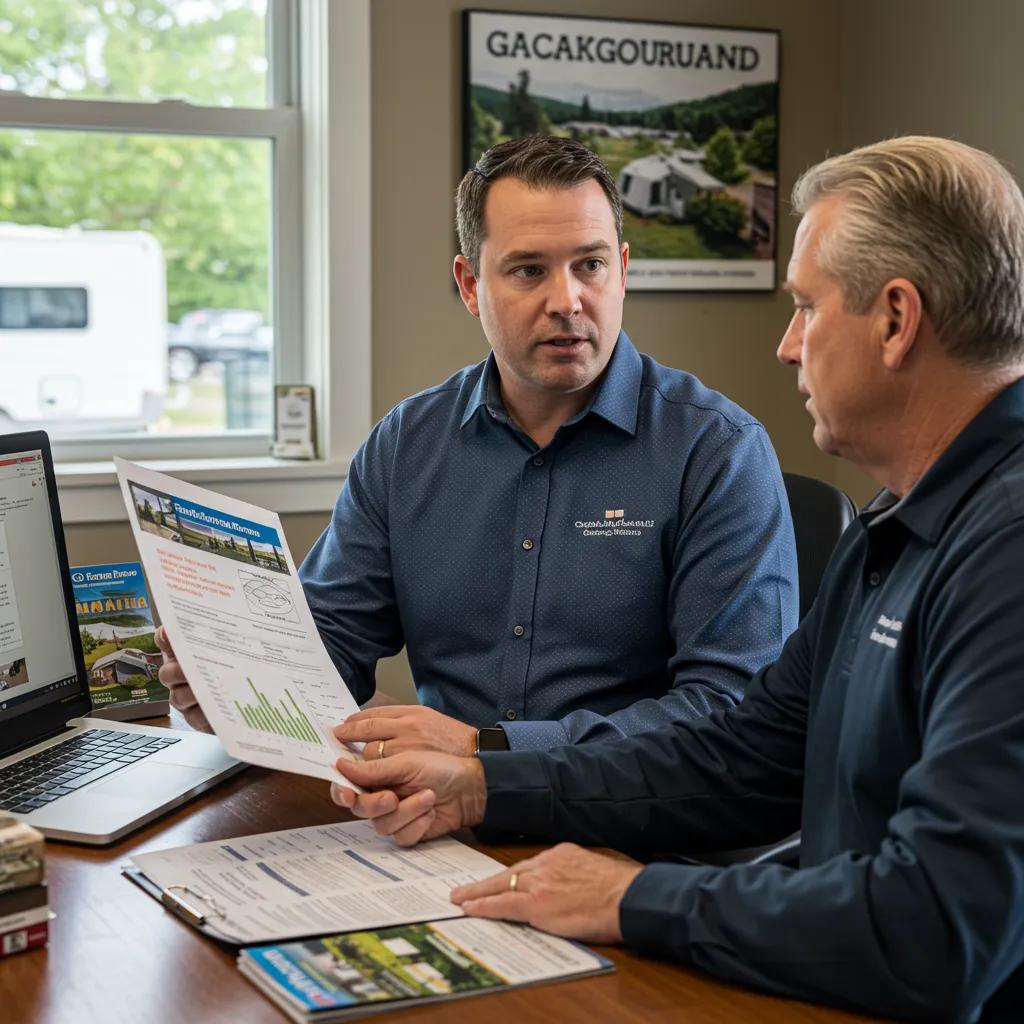
Campground brokers are specialized business brokers and real estate intermediaries who market, value, and negotiate the sale of campgrounds and RV parks by leveraging buyer networks and industry-specific expertise. They operate through targeted marketing, buyer qualification, transaction coordination, confidential deal management, and negotiation strategies that aim to maximize price while minimizing seller risk. Sellers benefit because brokers translate operational metrics—like Net Operating Income (NOI), site counts, and occupancy—into defensible valuations and financing-ready materials, helping attract qualified buyers and streamline due diligence. Understanding these services clarifies when an owner should list with a specialist versus exploring direct-sale alternatives that prioritize speed and confidentiality.
Who Are Campground Brokers and What Services Do They Offer?
Campground brokers typically include campground brokerage firms, RV park brokerages, and business brokers with hospitality real estate specialization who provide valuation, marketing, buyer matching, negotiation, and closing coordination. They prepare marketing packages, produce financial summaries, contact vetted buyers, manage site tours and confidentiality agreements, and coordinate inspections and legal steps, which reduces seller workload and exposure. A broker’s network often includes lenders, environmental consultants, and buyers experienced with campground operations, creating more competitive pressure that can lift sale prices. These service layers protect sellers from unqualified offers and often accelerate negotiated closings when buyer financing is in place.
How Do Campground Brokers Differ from Real Estate Agents?
Campground brokers differ from general real estate agents in their hypernym relationship to real estate services and their hyponymic focus on campground-specific transactions, operational metrics, and buyer pools. Whereas a general agent may list property and manage contracts, a campground broker evaluates NOI, site-level revenue, utility infrastructure, and regulatory constraints to position the asset for hospitality lenders and operating buyers. This specialization matters when campgrounds require nuanced valuation—buyers assess revenue streams, seasonal occupancy patterns, and infrastructure risks that typical residential agents may not account for. When a property is small or owner-prefers local exposure, a general agent might suffice, but complex or large campground sales generally benefit from a broker with industry experience.
What Types of Campgrounds and RV Parks Do Brokers Specialize In?
Brokers often segment by property type—family-run campgrounds, resort-style parks, glamping sites, and large RV parks—because each model uses different valuation meronyms like site counts, amenity mix, and revenue per site. Some brokers focus on larger parks (for example, 130+ site properties) where financing options, NOI scale, and infrastructure concerns dominate, while others serve smaller owner-operated campgrounds that rely more on lifestyle buyers. Matching broker expertise to property type improves marketing accuracy and buyer targeting, as specialists can highlight operational strengths such as established booking platforms, rinse-and-repeat revenue, or recent amenity upgrades. Selecting a broker aligned to your park’s model increases the likelihood of reaching buyers who value the asset’s specific characteristics.
How to Find Reliable Campground Brokers Near You?
Finding reliable campground brokers near you requires using industry-specific channels, checking regional expertise, and verifying transaction history through references and closed-deal evidence. Start by searching targeted directories and trade associations, asking peer owners for referrals, and running precise queries like “find campground brokers near me” combined with property type keywords to narrow results. Prioritizing brokers with local market knowledge helps address zoning, permitting, and buyer demand nuances that vary regionally, especially in the upper Midwest or other focused markets. Proper vetting reduces risk and accelerates a clean sale process, enabling sellers to compare offers and choose representation that fits their timeline and legacy goals.
What Are the Best Ways to Search for Campground Brokers?
Use a mix of online industry directories, trade associations, owner referral networks, and targeted search queries to compile a short list of brokers who specialize in campgrounds and RV parks. Start with industry association directories and broker lists, search phrases that include property type and region, and request referrals from campground peers to learn how brokers performed in real transactions. When you gather candidates, ask for sample marketing materials and comparable closed deals that match your park’s size and model to validate experience. This systematic search approach improves your chance of finding a broker who understands operational metrics, lender preferences, and buyer motivations.
Which Regional Factors Should Influence Your Broker Choice?
Regional factors such as zoning regimes, environmental permitting, seasonal demand patterns, and local buyer pools should influence your broker selection because these variables materially affect valuation and saleability. Brokers familiar with state and county permitting, septic and water regulations, and regional tourism cycles can anticipate buyer concerns and present appropriate mitigation strategies. For sellers in the upper Midwest, choosing brokers who know local market multiples and buyer preferences can streamline comparable sales research and set realistic expectations for timing. Local expertise reduces surprises during due diligence and helps craft marketing that highlights region-specific value drivers.
How to Verify Broker Credentials and Experience?
Verify broker credentials by requesting a transaction history, client references, professional association memberships, and sample marketing packages, then contact past clients to confirm outcomes and communication quality. Ask specific questions about closed deals similar to your property—site count, sale price range, timeline, and any financing contingencies—to benchmark performance. Confirm that the broker has confirmed relationships with lenders, environmental consultants, and attorneys experienced in campground transactions, which shortens buyer qualification and due-diligence periods. This verification builds confidence that the broker can manage the full sale lifecycle and protect your legacy through careful negotiation and transition planning.
What Key Factors Should You Consider When Choosing a Campground Broker?

Choosing a campground broker requires evaluating specialization, valuation skill, fee transparency, track record, and communication style to ensure alignment with seller goals and expected outcomes. Industry specialization improves buyer targeting and pricing accuracy because specialized brokers understand NOI drivers, cap rates, and operational improvements that increase value. Transparent commission structures and clear descriptions of marketing spend let sellers weigh cost versus expected sale-price uplift, while strong communication and personal service preserve seller legacy and make the process less disruptive. Careful selection based on these factors increases the likelihood of a successful sale and a smooth ownership transition.
How Does Industry Specialization Impact Broker Effectiveness?
Industry specialization enables brokers to price properties using operational metrics and market multiples relevant to campgrounds, improving the accuracy of buyer targeting and closing probabilities. A specialized broker recognizes how hyponyms such as RV park brokerages and campground brokerage firms differ in buyer pools and financing pathways, and they use that knowledge to craft tailored marketing. Specialized brokers also know which elements of the property—membership models, long-term reservations, and amenity packages—appeal to buyers and lenders, which helps generate stronger offers. Working with a specialist reduces the time spent educating buyers and elevates the perceived value of operational strengths.
Why Is Broker Experience with Campground Valuation Important?
Broker valuation experience is crucial because buyers and lenders often base offers on NOI, occupancy trends, and comparable sales that are scarce for niche hospitality properties. Experienced brokers can apply the income approach, locate realistic comparable transactions, and advise on asset-based considerations to build a defensible asking price that supports financing. They identify improvements that generate valuation uplift and recommend documentation formats (P&Ls, site-level revenue) that expedite lender review. Valuation proficiency thus directly impacts marketing credibility and the probability of buyer-qualified offers.
How Do Broker Fees and Commission Structures Compare?
Broker fees commonly fall into commission-based models tied to sale price, occasionally with add-on marketing fees or success incentives; commission rates vary with deal complexity and expected marketing intensity. Sellers should ask for an itemized breakdown of services included—marketing package, buyer vetting, negotiation support, and transaction management—to compare cost versus expected value delivery. Negotiation levers include success-based incentives and caps on third-party marketing spend, which align broker motivation with seller objectives. Evaluating fee structures alongside historical sale outcomes helps determine whether higher commissions are justified by demonstrated premium results.
What Role Does Communication and Personal Service Play?
Clear communication and personalized service reduce seller stress and speed decisions by ensuring timely updates, transparent offer analysis, and collaborative negotiation strategy setting. Brokers who set expectations early about marketing cadence, buyer screening protocols, and due-diligence timelines create a smoother transaction path and preserve operational continuity. Personal service also supports legacy-oriented owners who prioritize staff retention and guest experience continuity during transition. Choosing a broker who demonstrates responsiveness and empathy increases trust and yields better-managed handovers.
What Are the Advantages and Disadvantages of Using a Campground Broker vs. Selling Directly?
Comparing broker-assisted sales to direct sales highlights trade-offs in time, cost, control, and confidentiality so owners can match their exit strategy to personal and financial priorities. Brokers typically generate wider buyer exposure and competitive tension that can increase sale price but add commission cost and public marketing, potentially affecting staff and guest perceptions. Direct sales to an acquisition company often reduce timeline and limit public exposure, offering confidentiality and potentially smoother transitional plans but may yield fewer competing bids. Evaluating these trade-offs objectively helps owners decide whether maximizing price or minimizing complexity is paramount.
What Benefits Do Campground Brokers Provide to Sellers?
Brokers provide broad marketing reach, buyer vetting to ensure financially qualified offers, skilled negotiation to maximize sale proceeds, and transaction coordination to manage due diligence and closing logistics. Their access to niche buyer networks and relationships with financing sources often creates competitive tension that can drive higher offers for sellers who prioritize price. Brokers also handle confidentiality protocols such as NDAs and controlled marketing to mitigate operational disruption. These services reduce seller workload and risk, especially when financing contingencies and complex regulatory issues are present.
How Does Selling Directly to a Buyer Like GatherGrounds Resorts Differ?
Selling directly to a family-owned acquisition company such as GatherGrounds Resorts offers sellers a direct-buyer alternative that can prioritize confidentiality, speed, and a thoughtful transition focused on preserving the campground’s identity. Direct sales remove brokerage layers, enabling owner-to-owner conversations that can accelerate negotiations and simplify handover planning, particularly for sellers seeking a legacy-preserving buyer. GatherGrounds Resorts positions itself as a family-owned operator that engages directly with owners and commits to improvements and continuity, making direct sale an attractive option for owners who value continuity and a less public process.
When Is a Direct Sale a Better Option Than Using a Broker?
Direct sale is often better for sellers with urgent timelines, those who want limited public marketing, or owners prioritizing legacy and stewardship over maximizing competitive bidding. Owners approaching retirement who prefer a confidential, efficient transfer or who have buyers already expressing interest in an off-market deal may favor direct offers. Direct sales can also suit sellers who want a negotiated transition plan emphasizing staff retention and property preservation. When maximizing sale price via broad competitive exposure is less important than speed and control, a direct buyer can be preferable.
How Do Fees, Timelines, and Control Vary Between Brokers and Direct Buyers?
Brokers typically charge commission based on sale price and may require broader marketing durations that extend timelines, while direct buyers often reduce or reallocate fees and compress the timeline by avoiding public listing and multiple rounds of negotiation. Control dynamics also shift: broker-led sales push for wider exposure and competitive negotiation, whereas direct buyers may require operational concessions or specific transition commitments but offer greater confidentiality. Sellers should weigh commissioning cost against potential sale-price uplift and compare expected timelines—brokered listings may take months, while direct transactions can sometimes close faster depending on due diligence complexity.
How Is a Campground Valued for Sale and Why Is It Important?
A campground valuation translates operational performance and asset condition into a price that supports buyer financing and seller expectations; it uses methods like the income approach, comparable sales, and asset-based valuation to capture different value drivers. Accurate valuation matters because it sets the asking price, affects lender willingness, and frames negotiation parameters—errors can deter qualified buyers or leave money on the table. Financial documentation such as multi-year P&Ls, occupancy data, and site-level revenue underpin valuation models and increase buyer confidence during underwriting. Sellers who understand valuation mechanics can focus improvements that yield the highest return on sale price.
What Are the Main Methods for Campground Valuation?
The three primary valuation methods are the income approach (capitalizing NOI using cap rates), comparable sales (benchmarking recent deals), and asset-based valuation (summing tangible asset values). The income approach is most common for operational parks: calculate stabilized NOI, select an appropriate cap rate, and derive an indicative market value. Comparable sales can be limited by scarce similar transactions, so brokers often adjust for differences in amenities and regional demand. Asset-based methods are useful when land or infrastructure value dominates, but they may understate going-concern value for profitable operations.
How Do Financial Records and Net Operating Income Affect Valuation?
Financial records—P&Ls, tax returns, occupancy reports, and site-level revenue—directly affect NOI calculations and therefore the income-based valuation, which buyers and lenders scrutinize. Consistent, accurate records demonstrate stability and growth potential, improving cap-rate assumptions and lender confidence. Buyers analyze revenue seasonality, expense normalization, and one-time adjustments to estimate sustainable NOI; transparency in financials shortens due diligence and supports financing. Sellers who present clean, well-organized financials are more likely to receive offers that reflect true operational value.
What Can Sellers Do to Maximize Their Campground’s Value?
Sellers can maximize value by organizing financials, performing targeted infrastructure improvements, enhancing amenity appeal, and demonstrating booking and occupancy trends that show growth potential. High-ROI improvements typically include water/sewer upgrades, road repairs, improved site surface and landscaping, and amenity investments that boost revenue per site. Professional photos, a clear operations manual, and documented reservation systems help present the business as turnkey to buyers. These actions reduce perceived risk, support higher valuation multiples, and increase buyer confidence during financing.
How to Prepare Your Campground for a Successful Sale Through a Broker?
Preparing a campground for sale involves assembling financial documentation, prioritizing cost-effective property improvements, and resolving legal and permitting issues so the broker can market the asset confidently and buyers can complete due diligence efficiently. A broker will use your prepared materials to create a compelling marketing package that highlights NOI, occupancy, and operational strengths while protecting confidentiality. Organized preparation shortens the timeline, reduces contingencies, and increases the likelihood of competitive offers. These same preparation steps also serve owners seeking direct sale conversations, ensuring consistent information whether listing or responding to direct buyers.
What Financial Documentation Should You Organize?
Compile three to five years of financial statements, tax returns, a concise executive summary of performance, occupancy and booking reports, and detailed revenue by site type to support valuation and lender review. Include expense breakdowns, capital expenditure histories, and client or vendor contracts that affect operations to demonstrate transparency. Presenting normalized NOI with explanations for one-time expenses or extraordinary items helps buyers assess sustainable cash flow quickly. Clean documentation reduces friction in buyer underwriting and speeds due diligence.
How Can Property Improvements Influence Buyer Interest?
Targeted property improvements—sewer and water upgrades, road resurfacing, upgraded site pads, and modest amenity enhancements—often yield strong buyer perception gains and can increase revenue potential per site. Improvements that reduce deferred maintenance risks are particularly valuable because they lower buyer contingency demands and enhance lender confidence. Smaller investments like signage, landscaping, and online booking optimization can also boost curb appeal and demonstrate active management. Prioritizing improvements that affect NOI or reduce near-term capital needs maximizes buyer interest and valuation impact.
What Legal and Permitting Considerations Should Sellers Address?
Resolve zoning compliance, confirm permits and septic/wastewater approvals, address any environmental concerns, and clarify lease or easement arrangements before listing to avoid deal delays. Consult professionals—an attorney or environmental consultant—if there are unresolved title or permitting questions that could obstruct buyer financing. Clear up vendor and employee contract issues that affect continuity to reassure buyers about ongoing operations. Addressing legal and permitting items proactively streamlines due diligence and preserves momentum during negotiation.
What Is the Typical Campground Sales Process When Working with a Broker?
A typical broker-led sale follows a sequence: engagement and valuation, marketing and buyer outreach, offer evaluation and negotiation, due diligence and inspections, and closing with post-sale transition planning; each phase requires seller responsiveness and coordinated documentation. Brokers manage marketing packages and buyer vetting while sellers provide financial records, site access for inspections, and transition information. Understanding this timeline helps sellers set realistic expectations and prepare resources for efficient progress. Clear transition planning negotiated in the sale agreement secures staff and operational continuity post-closing.
What Are the Key Steps from Listing to Closing?
Key steps include broker engagement and valuation, preparation of marketing materials, confidential buyer outreach and showings, receiving and negotiating offers, buyer due diligence and financing, and closing with agreed transition terms; typical durations vary by market and complexity. Early weeks focus on documentation and marketing while substantive offers and negotiation can take several weeks to months depending on buyer financing. Seller responsiveness to requests accelerates the process and reduces the chance of buyer drop-off. Post-offer negotiations should clarify contingencies, earnest money, and expected closing dates.
How Does Due Diligence Work in Campground Sales?
Due diligence covers financial review, site and infrastructure inspection, environmental assessments, permitting confirmation, and operational checks such as vendor agreements and staffing arrangements; buyers request documents and site access to validate representations. Preparing organized data rooms with labeled financials and permits streamlines buyer review and shortens contingencies. Environmental or infrastructure issues commonly trigger specialized inspections; having remediation plans or disclosed histories avoids surprises. Efficient due diligence reduces renegotiation risks and supports timely closings.
What Should Sellers Expect During Post-Sale Transition?
Sellers should expect negotiated transition periods that may include training, phased handovers, staff retention agreements, and knowledge transfer documentation to preserve guest experience and operational continuity. Typical transition windows range from a few weeks to several months, depending on agreement terms and seller willingness to support operations post-closing. Sellers can negotiate compensation for extended transition support or define clear handover milestones in the sales agreement. Thoughtful transition planning protects legacy and smooths the buyer’s operational onboarding.
How Can Retirement Planning Influence Your Decision to Use a Campground Broker?
Retirement planning affects sale strategy by aligning exit timing, income needs, tax considerations, and succession preferences with the chosen sale path—broker-led sale, family succession, management buyout, or direct sale to an operator. The structure of proceeds (lump-sum vs structured payments), timing of sale, and desire for legacy preservation all inform whether a broker’s wide reach or a direct buyer’s confidentiality and tailored transition is preferable. Engaging financial and tax advisors early ensures the sale supports retirement cash flow goals and minimizes unexpected tax impacts. Considering retirement objectives early helps select the sales route that best matches personal and financial priorities.
What Are Succession Planning Options for Campground Owners?
Succession options include family succession, management buyouts, broker-led market sale, or direct sale to an operator or acquisition company; each option has trade-offs in price, continuity, and complexity. Family succession preserves legacy but may require training and formalizing management structures, while management buyouts retain staff and institutional knowledge but need financing. Broker-led sales can maximize competitive bidding but involve public exposure; direct sales can expedite closures and preserve identity. Choosing between these requires aligning personal goals, timeline, and desired level of involvement during transition.
How Can Selling to a Family-Owned Buyer Support Your Retirement Goals?
Selling to a family-owned buyer can support retirement goals by offering a personalized transition, commitment to property identity, and owner-level engagement during negotiations and handover, which many sellers value for legacy reasons. Family-owned acquisition companies often emphasize thoughtful transitions and reinvestment in amenities, aligning with sellers who prioritize continuity for staff and guests. For owners focused on stewardship, a direct buyer relationship can enable tailored post-sale arrangements that address community and operational concerns. This approach can be especially attractive for those leaving operations for retirement while seeking a respectful stewardship outcome.
What Financial Security Considerations Should Retiring Owners Keep in Mind?
Retiring owners should consider sale structure impacts on cash flow and taxes—lump-sum proceeds versus structured payments, capital gains considerations, and how transaction timing fits retirement income planning. Consulting tax and financial advisors helps model scenarios such as reinvestment options, annuitization, or phased payments tied to transition milestones. Understanding how sale proceeds fit retirement budgets and healthcare or lifestyle costs informs negotiation priorities. Sellers should require clear documentation of payment terms and seller financing details if applicable to ensure retirement security.
What Are Common Questions Sellers Ask About Campground Brokers?
Sellers commonly ask about broker commissions, expected sale timelines, the feasibility of selling without a broker, and how to evaluate multiple broker candidates; concise answers help set realistic expectations and next-step actions. These questions focus on cost-benefit trade-offs, timing under varying market conditions, and methods to compare broker capabilities. Practical guidance—sample commission ranges, typical timeframes, and a broker interview checklist—supports seller decision-making and helps determine whether to pursue a brokered listing or a direct buyer discussion.
How Much Do Campground Brokers Charge to Sell an RV Park?
Campground broker commissions typically vary based on deal complexity and services provided, often structured as a percentage of the sale price with possible additional marketing or success fees; exact rates depend on negotiated terms. Sellers should ask for a clear fee schedule detailing what is included—marketing spend, buyer vetting, and transaction coordination—to compare value. Factors that influence commission levels include property size, anticipated marketing reach, and the expected level of negotiation complexity. Evaluate commission against demonstrated broker outcomes to determine acceptable cost relative to potential sale-price uplift.
How Long Does It Take to Sell a Campground Through a Broker?
Selling a campground through a broker commonly takes several months from listing to closing, with timelines varying by market conditions, property complexity, and buyer financing needs; typical windows range from three to twelve months. Initial marketing and offer generation can take weeks to months, while due diligence and lender underwriting often extend the timeline. Seller readiness—organized financials, clear permits, and quick responsiveness—can materially shorten the process. Owners with urgent timelines may consider direct-sale options to compress the schedule.
Can I Sell My Campground Without a Broker?
Yes, owners can sell directly without a broker through DIY marketing or by negotiating with direct buyers, but DIY sales require handling buyer qualification, marketing, negotiation, and legal coordination yourself, which can be time-consuming and risky. A direct sale to an acquisition company provides an alternative that reduces marketing burdens while still avoiding brokerage commissions, but it may limit competitive bidding. Sellers choosing DIY should prepare to invest in marketing, use standardized sales agreements, and engage legal and financial advisors to avoid pitfalls. Carefully weigh the trade-offs of control versus complexity.
How Do I Choose Between Multiple Campground Brokers?
Choose between brokers by interviewing candidates with a structured checklist: request comparable closed deals, sample marketing materials, references from previous sellers, and a clear explanation of fees and expected timeline. Score candidates on specialization, communications responsiveness, transparency in valuation methods, and demonstrated success with similar property types. Consider running a short request-for-proposal to compare strategies objectively and ask brokers for a trial task such as a preliminary valuation. Selecting the broker who best aligns with your timeline, legacy goals, and communication expectations increases the likelihood of a successful sale.
- Request examples of comparable closed transactions and references.
- Ask for a sample marketing plan and targeted buyer list.
- Confirm fee structure and any additional costs in writing.
- Evaluate responsiveness and clarity of communication during the interview.
This article covered how campground brokers add value, how to find and vet them, key broker selection factors, broker vs direct-sale trade-offs including a family-owned buyer example, valuation methods with EAV comparisons, preparation checklists, sale process steps, retirement planning impacts, and concise answers to common seller questions so owners can make confident decisions about selling their campgrounds.
Frequently Asked Questions
What Should I Look for in a Campground Broker’s Experience?
When evaluating a campground broker’s experience, consider their track record in selling properties similar to yours. Look for brokers who have successfully closed deals in your specific campground type, whether it’s a family-run site or a large RV park. Additionally, inquire about their familiarity with local market conditions, zoning laws, and buyer demographics. A broker with a strong history of successful transactions and relevant local knowledge can provide valuable insights and strategies tailored to your unique situation.
How Can I Ensure My Campground is Market-Ready Before Listing?
To ensure your campground is market-ready, start by organizing all financial documentation, including profit and loss statements, occupancy rates, and maintenance records. Consider making strategic improvements that enhance curb appeal and operational efficiency, such as upgrading amenities or landscaping. Additionally, address any legal or permitting issues that could arise during the sale process. A well-prepared property not only attracts more buyers but also supports a smoother due diligence phase, ultimately leading to a more favorable sale outcome.
What Are the Risks of Selling Without a Broker?
Selling without a broker can expose you to several risks, including inadequate market exposure, difficulty in negotiating terms, and potential legal pitfalls. Without a broker’s expertise, you may struggle to accurately value your property, leading to pricing errors that could deter buyers or leave money on the table. Additionally, managing buyer inquiries, due diligence, and legal documentation can be overwhelming and time-consuming. Engaging a broker can mitigate these risks by leveraging their experience and network to facilitate a smoother transaction.
How Do I Prepare for Broker Interviews?
Preparing for broker interviews involves creating a structured checklist of questions to assess their qualifications. Ask about their experience with similar properties, their marketing strategies, and how they plan to handle negotiations. Request examples of past sales and references from previous clients. Additionally, evaluate their communication style and responsiveness during the interview process, as these factors will influence your working relationship. A well-prepared interview will help you identify the broker who aligns best with your goals and expectations.
What Are the Common Mistakes Sellers Make When Choosing a Broker?
Common mistakes include selecting a broker based solely on commission rates rather than their experience and specialization. Sellers may also overlook the importance of local market knowledge, which can significantly impact the sale process. Failing to ask for references or examples of past successes can lead to choosing a broker who lacks the necessary skills. Additionally, not clearly communicating your goals and expectations can result in misalignment, making it crucial to establish a strong rapport and understanding from the outset.
How Can I Assess the Value of My Campground Before Selling?
To assess the value of your campground, consider obtaining a professional appraisal that utilizes methods like the income approach, comparable sales, and asset-based valuation. Gather financial records, including profit and loss statements and occupancy rates, to provide a clear picture of your property’s performance. Research recent sales of similar campgrounds in your area to understand market trends. This comprehensive approach will help you set a realistic asking price and attract qualified buyers while maximizing your sale potential.
What Should I Expect During the Due Diligence Process?
During the due diligence process, buyers will conduct a thorough review of your campground’s financial records, operational practices, and physical condition. Expect requests for documentation such as tax returns, occupancy reports, and maintenance records. Buyers may also want to inspect the property and assess any environmental concerns. Being organized and transparent with your records can facilitate a smoother due diligence phase, reducing the likelihood of renegotiations or delays. Clear communication with your broker during this time is essential to address any buyer inquiries promptly.
Conclusion
Choosing the right campground broker can significantly enhance your selling experience by maximizing your property’s value and ensuring a smooth transition. With specialized knowledge and a robust network, brokers streamline the sales process while addressing your unique concerns about legacy and confidentiality. Whether you opt for a broker or a direct sale, understanding your options empowers you to make informed decisions that align with your retirement goals. Start your journey today by exploring our resources to find the best path for your campground sale.