Seasonal Camping in Michigan — Your Guide to Long-Term RV Sites Near State Parks
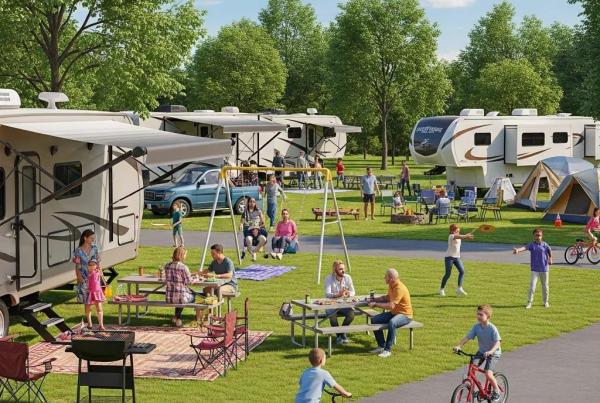
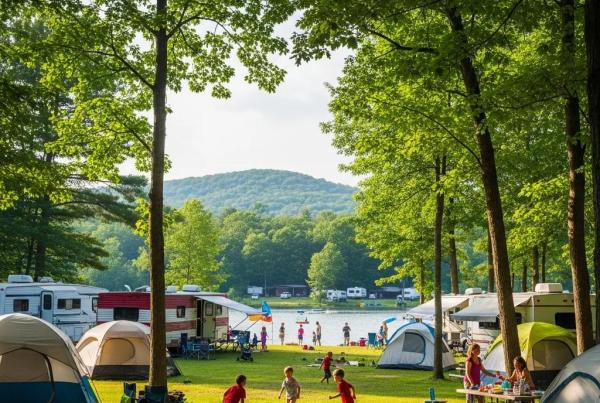
Seasonal camping in Michigan gives families and long-term RV residents a steady home base close to top outdoor recreation. It blends the comfort of extended-stay sites with easy access to parkland. This guide explains what seasonal and long-term RV sites are, how leases and utilities usually work, what to expect for pricing and reservations, the differences between private campground and state park rules, and practical day-trip ideas from a campground home base. You’ll learn how to pick the right site, budget for seasonal rates, and enjoy nearby attractions like Waterloo State Recreation Area while using private-resort amenities. Practical checklists and comparison tables make it simple to weigh site types, rate components, and amenity trade-offs. Where helpful, we point to a nearby example—The Oaks Campground by GatherGrounds—a private campground next to Waterloo that illustrates seasonal RV offerings and family-friendly services.
What Are Seasonal Camping and Long-Term RV Sites in Michigan?
Seasonal camping means reserving a campground site for an extended portion of the season—often for months—rather than booking by the night. Long-term RV sites are designed for extended occupancy and usually include utilities and features that support living in an RV part- or full-time. Seasonal arrangements cut down on nightly turnover and give families, retirees, and remote workers a steady base near outdoor recreation. Typical seasonal agreements cover site upkeep, utility access, and arrival/departure windows. Knowing these basics helps you choose a site that fits your comfort, budget, and recreation goals while staying within campground rules.
How Does Seasonal Camping Work Near Michigan State Parks?
Seasonal camping near state parks usually happens through private seasonal leases that align with the park’s active season. The process typically begins with an inquiry, followed by an application or lease, a deposit or first payment, and an assigned move-in date. Campers maintain their site to campground standards and follow landscaping or upkeep rules. Seasonal sites commonly offer full hookups (water, sewer, electric) and sometimes shared Wi‑Fi or trash services; campers remain responsible for their RV’s interior upkeep and any winterization. Being close to a state park makes trailheads and waterways easy to reach—just remember state park rules like displaying permits or carrying a Recreation Passport when required.
What Types of Seasonal RV Sites Are Available in Michigan?
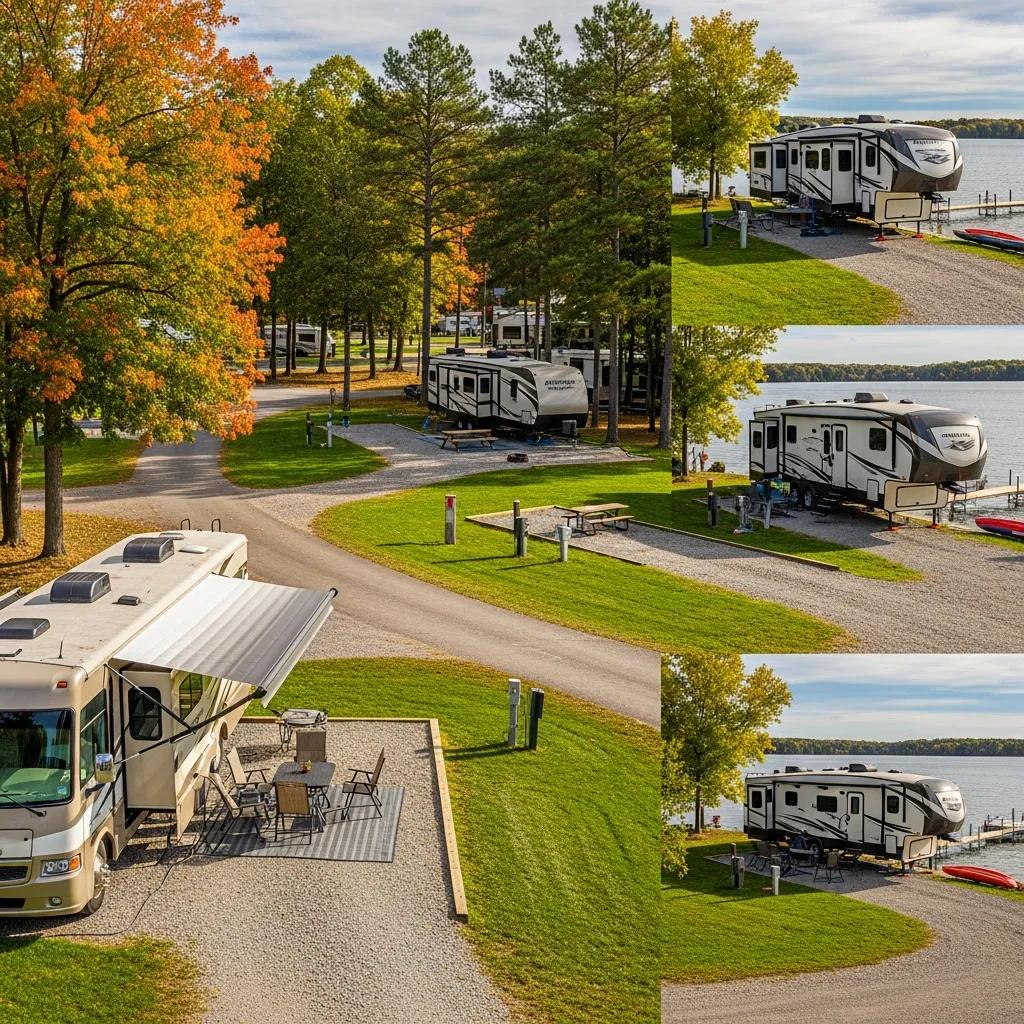
Seasonal RV sites differ by layout, hookups, and setting. Common types include pull-through sites for straightforward access, back-in sites that often have more shade and privacy, and waterfront or premium sites with direct lake or pond access. Pull-throughs suit larger rigs and frequent arrivals and departures; back-ins can feel quieter and more shaded; waterfront sites are in high demand for views and water access. Full-hookup seasonal sites (water, sewer, electric) make long stays easier and reduce the hassle of hauling water or frequent dumps. When choosing, prioritize site length and reliable hookups, then consider shade, proximity to the community, and traffic patterns.
Different seasonal site characteristics compared for decision-making:
This quick comparison shows the main trade-offs: pull-throughs favor access and size, while back-ins and waterfronts favor privacy and scenery.
Why Choose Campgrounds Near Waterloo State Recreation Area for Seasonal Camping?
Campgrounds near Waterloo State Recreation Area pair private-site comforts with access to one of Michigan’s largest and most varied outdoor areas. Waterloo offers miles of trails, lakes, and mixed terrain for hiking, biking, paddling, and birding. Staying just outside the park saves drive time so you can spend more time on the trail. Private campgrounds beside Waterloo often add community amenities—playgrounds, pavilions, fishing ponds, and organized events—that balance park exploration with family-friendly conveniences. Nearby towns like Ann Arbor and Jackson make resupply, healthcare, and occasional city outings easy for seasonal residents.
The Oaks Campground by GatherGrounds is a nearby private option that bundles these benefits with on-site family programming. The Oaks offers seasonal RV sites with full hookups and community spaces designed for long stays, plus a swimming lake, fishing pond, playgrounds, pavilions, and golf cart trails — all great complements to day trips into Waterloo. For families spending a season near Waterloo, The Oaks provides the conveniences and social amenities many long-term residents value.
Amenities comparison showing private campground features versus state-park recreation access:
This table shows how a campground like The Oaks can enhance access to Waterloo by adding comfort and community features.
How Do Michigan Seasonal Campground Rates and Reservation Processes Work?
Seasonal rates in Michigan depend on site type, included utilities, waterfront access, and proximity to popular recreation. Many campgrounds bundle site rental with basic utilities; extra costs—like electricity overages or optional services—may be billed separately. Payment plans vary: some require a deposit and scheduled payments, others ask for monthly or seasonal upfront amounts with set move-in/move-out windows. To evaluate value, check exactly what the seasonal fee covers (length of stay, hookups, trash, site maintenance) and whether amenities or reserved parking are included. Knowing common rate drivers and reservation steps helps you budget and secure the site you want before peak demand.
Typical rate components and what to expect are summarized in the table below to clarify how prices are built and which elements most affect seasonal fees.
This breakdown shows that waterfront location and included utilities are major cost factors; season length and amenity level determine overall value.
What Are Typical Seasonal RV Site Rates in Michigan?
Seasonal RV site rates vary by region and amenities. Sites near major parks, waterfronts, or cities cost more; inland or basic-hookup sites are usually less expensive. Full hookups, larger site sizes for longer rigs, and community amenities like shared facilities or events raise costs, while minimal-service sites are priced lower. When budgeting, include utilities, potential electricity overages, and any deposits or application fees. Contact campground management early—especially off-season—to learn payment schedules and hold preferred sites. Comparing what’s included versus total cost helps you plan predictable monthly or seasonal expenses.
Common rate drivers include:
- Site location: Proximity to water or park access increases demand.
- Utility inclusion: Full-hookup sites cost more but ease daily living.
- Community amenities: Pools, events, and private lakes add value.
- Season length and timing: Longer commitments can change monthly pricing.
These factors help you prioritize what matters most: convenience, recreation access, or budget.
How Can You Reserve a Seasonal Campsite at The Oaks Campground?
Reserving a seasonal site at The Oaks by GatherGrounds usually follows a simple inquiry-to-lease flow: check availability, submit an application or deposit, sign a seasonal agreement, and schedule move-in within the campground’s seasonal window. Contact the campground office to confirm site types, hookup availability, and community rules for long-term residents. Have details ready about your RV (length, tow vehicle), intended season dates, and any site preferences like waterfront or pull-through. A clear reservation process makes move-in smoother—especially when coordinating around the state park season.
This short reservation checklist helps you move forward:
- Check availability: Ask for current seasonal inventory and preferred site types.
- Submit application/deposit: Follow the campground’s process to hold the site.
- Sign seasonal agreement: Review maintenance, utilities, and guest policies.
- Schedule move-in: Confirm dates within the campground’s seasonal window.
Completing these steps helps ensure a smooth transition into your seasonal site and clarifies expectations for long-term occupancy.
What Are the Rules and Regulations for Seasonal Camping Near Michigan State Parks?
Rules for seasonal camping come from both private campgrounds and state regulations. Private campgrounds set site-specific rules on stay length, pets, noise, and guest behavior; state park rules apply to activities inside park boundaries and to park entry or parking. Private sites often allow longer seasonal leases than state parks do, but they also enforce community rules to keep the neighborhood safe and comfortable. Seasonal campers using nearby state parks should also be aware of the Michigan Recreation Passport for vehicle access and follow DNR guidelines for permitted activities.
How Do Private Campground Rules Differ from Michigan State Park Regulations?
Private campground rules focus on contract terms, community governance, and amenity use. State park regulations emphasize resource protection, visitor safety, and public access—things like parking permits and trail restrictions. For seasonal residents, private policies commonly cover lease length, guest registration, pet rules, quiet hours, and shared-space use, enforced by campground management. State park rules govern behavior inside park lands—trail use, fishing licenses, and vehicle access—so reviewing both rule sets helps avoid surprises whether you’re on your site or visiting the park.
A brief comparative table summarizing key differences:
Review both campground agreements and state park regulations before committing to a seasonal stay to ensure compliance and a smooth experience.
What Is the Role of the Michigan Recreation Passport for Seasonal Campers?
The Michigan Recreation Passport is required for vehicle access to many state parks and recreation areas. Seasonal campers who drive into state parks for day trips should make sure their vehicle displays a passport or pay entry fees at the gate. The passport is a convenient, cost-effective option for frequent park users and supports park maintenance. Keep passport documentation current and be aware of other park requirements—like fishing licenses or specific trail restrictions—so your visits to Waterloo and other parks go smoothly.
What Family-Friendly Activities and Community Events Are Available at Seasonal Campgrounds?
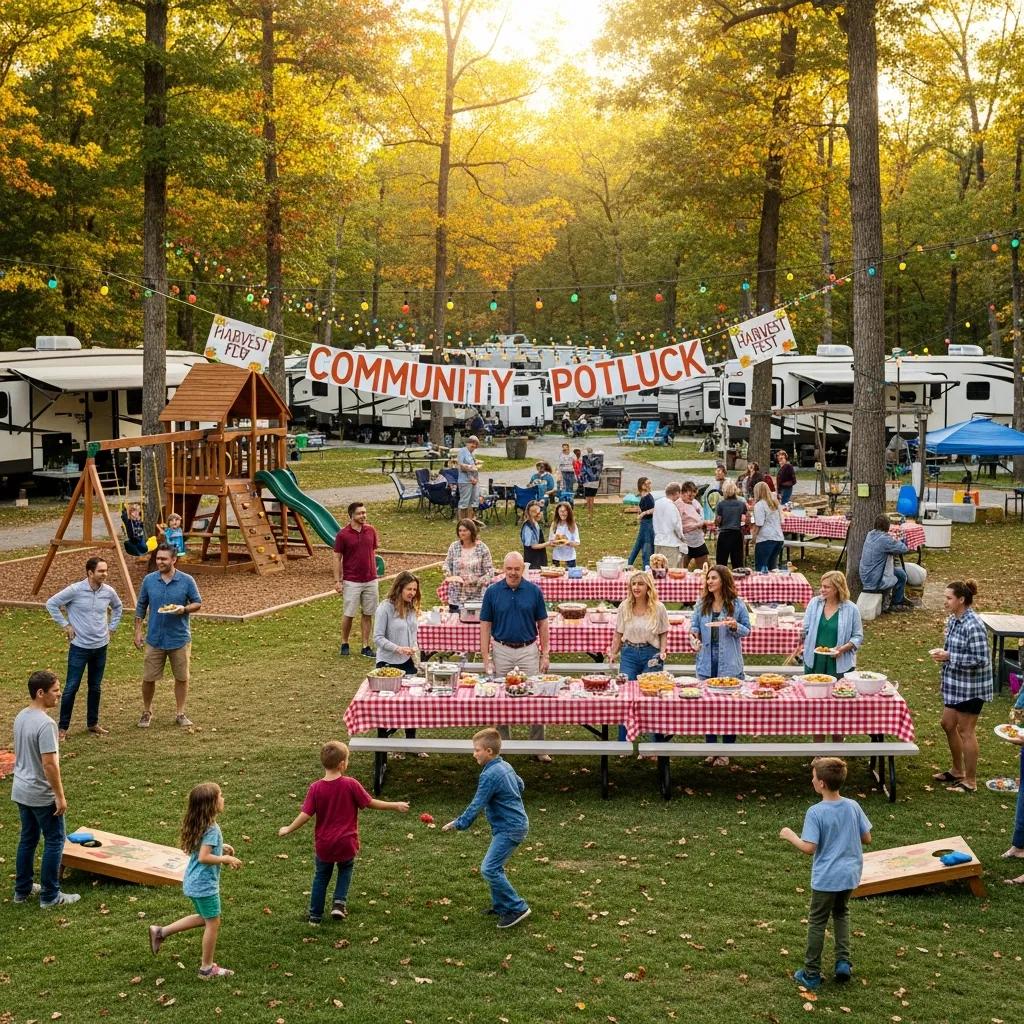
Seasonal campgrounds focus on family programming and shared amenities that make long stays enjoyable. Typical on-site features include playgrounds, swimming areas, fishing ponds, and scheduled community events like weekend socials or holiday gatherings that build a neighborhood feel among seasonal residents. These offerings pair well with state park activities—hiking, biking, and paddling—that provide low-cost, high-engagement outdoor options for families. Together, private programming and park access create a balanced seasonal lifestyle of social time and outdoor adventure.
Common family-friendly on-site offerings include:
- Playgrounds and splash areas for kids to play daily.
- Community pavilions and events for shared meals and socializing.
- Fishing ponds and swimming lakes for varied water recreation.
These amenities create routine opportunities for families to connect and for kids to make friends, while park day trips expand activity choices.
How Does The Oaks Campground Foster a Seasonal Camping Community?
The Oaks builds community through shared amenities and planned events that encourage neighbor interaction while respecting private space. Pavilions, playgrounds, and community events give families places to gather; golf cart trails and open common areas invite casual connection. The Oaks is also planning a Wibit water-park feature projected for 2025 to expand water recreation and family programming. By blending private comfort with communal programming, The Oaks helps seasonal residents form lasting local connections.
These community elements make seasonal living more convenient and social, encouraging participation and neighborly support.
What Outdoor Activities Can Families Enjoy Near Michigan State Parks?
Families near state parks can choose from a wide range of activities for all ages: easy hiking loops, supervised swimming areas, family-friendly paddling, and fishing at stocked ponds or park waterways. For young kids, short interpretive trails and wildlife viewing are engaging; older kids may enjoy longer mountain-bike routes or more challenging paddling. Practical tips—pack layered clothing, bring life jackets, and avoid midday heat—help families stay safe and comfortable. Combining on-site amenities with park resources gives families both relaxed and active-day options.
Recommended low-cost family outings include short hikes with a picnic, half-day fishing trips followed by an evening community cookout, and nature-scavenger walks to teach kids local plants and wildlife.
How Can Campers Explore Local Attractions Near Seasonal Campgrounds in Michigan?
Seasonal campgrounds make convenient bases for day trips to nearby towns, cultural sites, and regional amenities. Staying near a state park like Waterloo lets you plan short itineraries—trail mornings followed by shopping or dining in nearby towns—without long drives. Proximity to regional centers such as Ann Arbor, Jackson, Detroit, Toledo, and Fort Wayne provides access to medical care, specialty shopping, cultural events, and transit hubs when seasonal residents need city services. Balancing park exploration with occasional city trips keeps life convenient while preserving the outdoor focus of seasonal living.
What Day Trips Are Recommended from The Oaks Campground in Munith?
From The Oaks in Munith, consider a morning bike ride through Waterloo State Recreation Area, then visit a local farmers’ market or small-town shop in the afternoon. Half-day trips might pair a short paddle and picnic with an early return for campground events. Full-day plans can include regional cultural sites or dining in nearby towns for a change of pace. Always check attraction hours and seasonal schedules, and plan for fuel and provisioning stops in larger towns if you’ll be out most of the day. These itineraries make The Oaks a practical, flexible home base for local exploration.
How Accessible Are Major Cities Like Detroit and Ann Arbor from Seasonal Campgrounds?
Major cities such as Detroit and Ann Arbor are within reasonable driving distance for seasonal campers who need specialized services, cultural events, or major shopping. Proximity to these metros lets campers access urban amenities without giving up daily access to nature. Driving times depend on your exact campground location, but many seasonal residents plan weekly or occasional trips to a nearby city for groceries, healthcare, or entertainment while keeping the campground as their primary residence. Scheduling city visits during off-peak hours can cut travel time and reduce stress.
These travel patterns show how seasonal RV life can combine daily outdoor living with periodic urban access for essentials and enrichment.
Frequently Asked Questions
What should I consider when choosing a seasonal campground in Michigan?
Think about location, amenities, and site type. Being near state parks boosts outdoor access; full hookups, community events, and recreational facilities add daily convenience. Choose a site that fits your RV size and lifestyle—a pull-through for easy access or a waterfront site for views. Also review campground rules and the overall community atmosphere to make sure the campground is a good fit for your family.
Are there any specific regulations for pets at seasonal campgrounds?
Pet rules vary by campground and differ from state park rules. Private campgrounds often set leash requirements, designated pet areas, and limits on the number of pets per site. State parks usually require pets to be leashed and cleaned up after. Always check the campground’s pet policy before arrival to avoid surprises and keep everyone safe and comfortable.
What are the benefits of seasonal camping for families?
Seasonal camping gives families a stable base for outdoor activity and community life. Returning to the same site builds familiarity and belonging. Many seasonal campgrounds offer family-friendly amenities—playgrounds, swimming areas, and planned events—that promote social connections. Close access to state parks also makes hiking, fishing, and paddling easy, creating a mix of adventure and downtime for families.
How can I prepare my RV for a long-term stay at a seasonal campground?
Start by making sure your RV systems—water, electrical, and waste—are in good working order. Plan for winterization if needed. Stock up on essentials like food, cleaning supplies, and outdoor gear. Learn the campground’s maintenance and site-upkeep rules, check for necessary repairs regularly, and keep your site tidy to make long-term living comfortable.
What types of community events can I expect at seasonal campgrounds?
Expect a range of events designed to bring people together: weekend potlucks, holiday celebrations, outdoor movie nights, and organized games or tournaments. Some campgrounds also offer workshops—arts and crafts, nature education, or basic RV maintenance. These activities help families connect and build friendships over the season.
How do I find local attractions near my seasonal campground?
Start with the campground’s information center or website—many list nearby attractions. Local tourism boards and visitor centers provide maps and brochures. Online guides and review sites offer ideas and user tips. Talking with fellow campers often uncovers local favorites and hidden gems worth visiting.
What are the best practices for maintaining a seasonal campsite?
Keep your site clean and organized, dispose of trash properly, and follow campground rules on noise and behavior. Regularly inspect and maintain your RV systems to prevent problems. Coordinate with campground management for any larger site maintenance. Participating in community clean-ups or events helps keep the campground pleasant for everyone.
Conclusion
Seasonal camping in Michigan gives families a chance to enjoy extended outdoor time while building community connections. Choosing the right campground—like The Oaks—lets you combine private amenities with easy access to nearby state parks. That mix of convenience and nature makes seasonal living comfortable and memorable. Start planning your season now and find the site that fits your family’s next adventure.