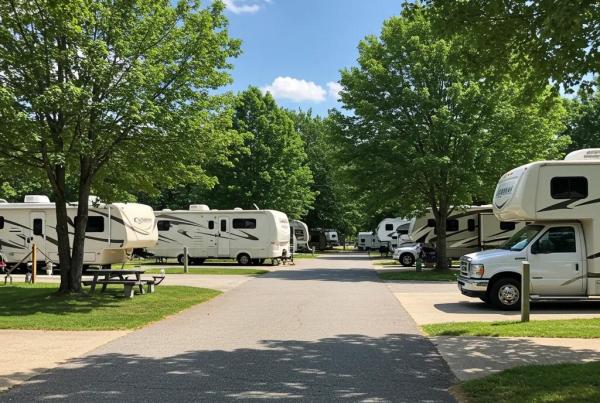
Sell Your Campground or RV Park Fast and Effectively with GatherGrounds Resorts
Selling your campground or RV park is a significant undertaking, blending real estate strategy, business valuation, and careful transition planning. This guide walks you through selling your campground swiftly and effectively, detailing the practical steps, valuation methods, and preparation tactics that accelerate transactions while safeguarding your legacy and confidentiality. You’ll discover how direct buyers assess properties versus brokers, what documentation speeds up offers, and which operational enhancements boost valuation—all tailored for owners considering a direct sale to GatherGrounds Resorts. We outline a clear acquisition process, break down campground valuation (including Net Operating Income), compare selling options, provide a targeted preparation checklist, answer common seller questions, summarize market trends through 2025, and guide you on contacting GatherGrounds for a no-obligation consultation. Throughout, you’ll find actionable checklists, comparison tables, and sample timelines to help you decide if selling directly, using a broker, or pursuing hybrid strategies is your best path to selling your campground fast.
What Is the GatherGrounds Acquisition Process for Selling Your Campground?
The GatherGrounds acquisition process is a straightforward, seller-centric sequence designed for speed and respectful transition, moving from initial inquiry through evaluation, offer, due diligence, and closing. Our method involves rapidly screening key property metrics—site count, revenue snapshot, NOI—to determine fit, then presenting a cash or direct offer that bypasses broker-driven delays. Sellers benefit from reduced public marketing and fewer showings, preserving confidentiality and legacy. Below is a clear, step-by-step breakdown for owners preparing to expedite a sale to a direct buyer like GatherGrounds Resorts.
- Initial inquiry and info exchange: basic site count, revenue snapshot, and location summary.
- Preliminary evaluation and indicative offer: remote review of documents and comps to issue a letter of intent.
- Due diligence and inspection: title, environmental checks, and financial verification.
- Closing and transition: streamlined closing with options for phased handover and staff continuity.
This numbered process clarifies expectations and leads directly into how owners can practically initiate the inquiry and consultation.
How Do I Start the Inquiry and Consultation with GatherGrounds?
To begin the inquiry, provide a concise property summary: number of sites, a brief revenue/occupancy snapshot, location region, and a high-level amenity list. This allows a direct buyer to quickly assess fit. This approach works because buyers like GatherGrounds screen for scale and compatibility early, so providing the right attributes short-circuits unnecessary back-and-forth. A simple subject line and a one-paragraph property summary, or a brief form submission on GatherGrounds Resorts’ sell-your-campground page, is usually sufficient to prompt a confidential outreach. Preparing that summary will also help you gather fuller documentation if a prompt indicative offer is requested.
Providing a clear summary in your initial contact speeds up the subsequent evaluation step.
What Happens During Property Evaluation and Offer?
Property evaluation combines financial review, physical asset assessment, and market context to calculate an offer. Buyers analyze NOI, site mix, occupancy trends, and amenity strength to set valuation multiples. The process involves translating historical performance and asset quality into a projected stabilized NOI, then applying market-derived cap rates or multiples to reach a purchase price. Typical documents reviewed include recent P&Ls, tax returns, occupancy logs, site maps, and permits. Once the buyer is comfortable, an indicative offer or letter of intent is presented, stating the price, key contingencies, and a target timeline for due diligence.
Understanding this evaluation process prepares sellers to present clean documentation that reduces contingencies and accelerates the next due-diligence phase.
How Does Due Diligence and Closing Work with GatherGrounds?
Due diligence is a focused verification phase confirming title, environmental status, utility infrastructure, and financial accuracy. It typically runs on a condensed schedule for direct buyers to close faster. This works because direct buyers often accept limited contingencies in exchange for price certainty and an expedited closing window, provided core risks (title, severe environmental issues) are addressed. Common diligence items include title searches, environmental site assessments, utility records, insurance history, and third-party verification of revenue and occupancy. Closing is scheduled once diligence tests clear, with options for staged transitions or seller advisory roles to preserve legacy and staff continuity.
A swift diligence and closing sequence reduces seller uncertainty and feeds into the valuation considerations discussed next.
How Is My Campground or RV Park Valued for Sale?

Campground valuation is typically driven by Net Operating Income (NOI), adjusted by market multiples or cap rates that reflect location, amenities, and growth prospects. The process involves converting operational performance (revenue minus operating expenses) into an NOI figure, then applying a multiple or cap rate derived from comparable sales and market conditions to estimate value. Sellers who present consistent financials and documented occupancy trajectories usually achieve stronger valuations. Below is a breakdown of the primary valuation factors and an EAV-style comparison table illustrating how buyers weigh different attributes.
What Key Factors Influence Campground Valuation?
Major value drivers include location and demand, site count and mix, financial performance, amenity package, and infrastructure condition; each element influences perceived risk and multiple. Location affects visitation patterns and off-season occupancy, while site mix (full-hookup RV sites, cabins, glamping) impacts average daily revenue. Infrastructure reliability—sewer, water, electric—reduces capex risk and can improve the multiple. Seasonal demand and nearby attractions drive visitor volume, which buyers factor into revenue projections. To maximize valuation, prioritize evidence of stable occupancy and documented systems that demonstrate operational control.
This focus on drivers naturally leads into the practical preparation of those financial records for valuation.
How Do I Prepare Financial Records for Valuation?
Organize a short, prioritized financial package: P&L statements for the past three years, tax returns, occupancy reports, booking platform exports, and a summary of recent capital expenditures; include a one-page executive summary. This approach works because clean, organized records allow buyers to calculate NOI quickly and reduce follow-up clarifications that slow offers. Anonymize guest-level data when necessary for confidentiality, and present reconciliation notes for any owner-related adjustments. Avoid last-minute reconstructions—timely, audited, or CPA-reviewed statements increase buyer confidence.
A tidy financial pack reduces diligence time and directly improves the speed and accuracy of the NOI calculation explained next.
What Is Net Operating Income and Why Does It Matter?
Net Operating Income (NOI) equals total revenue minus operating expenses and serves as the primary income measure buyers use to value income-producing campgrounds and RV parks. This formula matters because NOI isolates operating cash flow available to owners before financing and taxes, and buyers apply cap rates or multiples to NOI to estimate market value. For example, a campground with $300,000 NOI and a 6% cap rate suggests a valuation near $5,000,000. Improving NOI through targeted revenue growth or expense control typically raises sale price more effectively than cosmetic fixes.
Improving NOI is often the fastest path to increasing valuation and ties back to the preparation steps sellers should take.
Why Choose GatherGrounds Resorts Over Traditional Campground Brokers and Agents?
Choosing a direct buyer like GatherGrounds Resorts differs from using brokers or agents primarily in speed, fees, confidentiality, and transition approach. Direct-buy models prioritize expedited, low-marketing transactions and legacy preservation. The mechanism is that a direct buyer can make cash or near-cash offers and reduce marketing cycles, whereas brokers list properties to many prospective buyers to maximize price, often at the cost of longer timelines and public exposure. For owners prioritizing a fast, respectful transfer with minimal public listing, a family-owned direct buyer offers clear advantages. Below is a table comparing selling options and a bulleted list of direct-sale benefits.
- Brokers often provide broad market exposure and may secure a higher top price.
- Direct buyers streamline negotiation, reduce contingency periods, and often close faster.
- Hybrid strategies can combine limited broker marketing with direct-buyer conversations when desired.
Comparing these paths helps sellers decide which trade-offs align with their priorities and whether a direct sale suits their exit plan.
What Are the Benefits of Selling Directly to GatherGrounds?
Selling directly to GatherGrounds typically yields faster closings, no brokerage commissions, and a transition approach that emphasizes preserving the campground’s character and staff continuity. The benefit mechanics include fewer public showings, reduced marketing lead time, and simplified negotiation over a single buyer’s terms rather than multiple competing bidders. Sellers avoid typical 6–10% commission structures and can often negotiate specific handover arrangements that respect legacy and community relationships. These practical advantages often translate into a smoother emotional and operational transition for owners who prioritize continuity.
Understanding these benefits frames the differences with broker-led sales discussed next.
How Do Campground Brokers and Real Estate Agents Differ?
Campground brokers and real estate agents focus on marketing the property broadly, sourcing multiple buyers, and negotiating competitive bids. This can drive up the final sale price but requires public exposure and longer timelines. Their role includes preparing listings, coordinating showings, and leveraging investor networks to find the highest market offer; they earn commissions in exchange for that reach and negotiation service. Brokers are valuable when a seller wants maximum market price and is willing to accept commissions and a slower timetable. For sellers who need speed, confidentiality, or a respectful legacy handover, a direct buyer can be more appropriate.
Knowing when to use a broker versus a direct buyer helps sellers choose the right path for their timeline and priorities.
How Can Selling Directly Avoid Brokerage Fees and Hassles?
Selling directly avoids brokerage commissions and many marketing-related hassles by negotiating with a single buyer who provides an offer without listing the property publicly, thereby saving the seller time and reducing exposure risk. Financially, skipping a 6–10% commission can materially improve net proceeds, though sellers should weigh that against the potential top-market price achievable via a broker. Process savings include fewer open houses, less staff disruption, and concentrated diligence instead of repeated buyer walkthroughs. Realistic expectations are important: direct sales may come with narrower negotiation leverage but often trade price premium for speed and certainty.
Assessing net proceeds and timeline trade-offs informs whether a direct sale matches your objectives.
How Can I Prepare My Campground or RV Park for a Fast and Smooth Sale?
Preparing for sale focuses on high-impact maintenance, clear documentation, and transition planning to maximize appeal and minimize delays during buyer evaluation. The process involves reducing perceived risk by presenting operational stability, maintained infrastructure, and transparent financials so buyers can move from offer to close quickly. Prioritize tasks that yield the best return and assemble a concise document bundle for rapid review. The checklist and lists below provide practical, prioritized steps owners can apply immediately.
- Address grounds, signage, and bathhouse cleanliness to improve first impressions.
- Document systems: SOPs, staffing structure, and booking processes.
- Gather essential legal and financial records in a single organized packet.
These preparation steps connect directly to the specific tasks that maximize appeal discussed next.
What Steps Maximize My Property’s Appeal and Value?
High-impact, low-cost improvements increase appeal: grounds grooming, fresh signage, reliable utilities, and clean communal facilities improve visitor perception and buyer confidence. Upgrading amenities that directly influence revenue—bathhouse updates, improved Wi-Fi, and campsite pads—often yield measurable valuation lift relative to their cost. Staging the property for buyer visits and providing clear photo documentation of recent maintenance reduces on-site time and questions. Prioritize visible reliability and guest experience, as these factors directly affect occupancy and revenue projections.
Making these improvements shortens buyer hesitation and leads into organizing the legal and financial documentation buyers will request.
How Should I Organize Legal and Financial Documentation?
Create a folder structure that separates legal, financial, and operational documents: title and permits; P&L and tax returns; occupancy and booking exports; capital expenditure history; and staff/lease agreements. The organization method is to provide easy navigation for diligence teams so they can verify key attributes without repeated requests. Use an index page that summarizes the contents and highlights recent capital projects or pending permits. Engaging a CPA or real estate attorney to review the packet before submission improves credibility and reduces surprises during buyer review.
A well-organized documentation pack accelerates the diligence timeline and connects to transition planning considerations next.
What Should I Know About Transition Planning and Post-Sale Involvement?
Transition planning options include immediate exit, a phased handover, or a temporary advisory role. The right choice depends on seller goals for legacy preservation and staff continuity. Buyers like GatherGrounds often offer respectful transition arrangements, such as training periods for existing staff or short-term consulting agreements to maintain service levels. Negotiating clear terms for post-sale involvement—scope, duration, and compensation—reduces future friction and protects the guest experience during ownership change. Discussing these options early in negotiations helps buyers and sellers align expectations and ensures a smoother operational handover.
Clear transition terms reduce post-closing operational risk and are often a deciding factor for sellers who wish to preserve their campground’s character.
- Maintenance & Curb Appeal: Grounds, signage, and bathhouse cleaning.
- Financial Pack: P&Ls, tax returns, occupancy reports for the last 3 years.
- Operational Docs: SOPs, staff lists, vendor contracts, and site map.
These checklist items streamline buyer review and position your property for a faster offer.
What Are the Most Common Questions About Selling a Campground or RV Park?
Sellers commonly ask about timelines, transaction structure (business vs. real estate only), attractiveness improvements, broker necessity, property types sought, and confidentiality measures. Each question has practical answers that help you decide whether to pursue a direct sale, list with a broker, or combine strategies. The following concise answers are optimized for quick decision-making and feature a direct call-to-action concerning consultations with GatherGrounds Resorts where relevant.
How Long Does It Typically Take to Sell a Campground to GatherGrounds?
A direct buyer like GatherGrounds can complete a fast close in as little as 2–4 weeks for simple transactions when documentation is ready and no major title or environmental issues exist. Typical diligence-backed closings range 30–90 days depending on complexity. Brokered sales often take 30–120+ days because of marketing, showings, and bid solicitation. Prepared documentation, clear title, and responsive sellers accelerate the timeline, while environmental remediation, complex leases, or contested title extend it. Understanding these factors helps set realistic expectations for your preferred path.
This timeline perspective leads naturally into the structural question of selling business vs. real estate only.
Should I Sell My Campground as a Business or Real Estate Only?
Selling the business plus real estate often commands a premium for a turnkey, going-concern asset because buyers pay for ongoing revenue streams, established systems, and brand goodwill. The reason is that buyer valuation includes both real estate value and the business multiple driven by owner earnings and NOI. Selling real estate only simplifies transfer logistics and tax treatment for some owners but may reduce total proceeds relative to an asset sale that includes the operating business. GatherGrounds evaluates both structures depending on seller objectives and property fit.
Knowing which structure suits your goals influences valuation, tax planning, and transition arrangements for prospective buyers.
How Can I Make My Campground More Attractive to Potential Buyers?
Make your campground more attractive by documenting stable occupancy trends, presenting clear SOPs, demonstrating recent capital improvements, and enhancing guest-facing features that drive revenue per site. These tactics matter because buyers look for predictable cash flow and operational simplicity that reduce post-acquisition risk. High-ROI upgrades include bathhouse refurbishment, improved signage, and reliable utilities. Packaging data into a concise executive summary increases buyer confidence and often speeds the offer process.
These attractiveness steps tie back to the earlier valuation and preparation guidance and help frame whether to hire a broker.
Is It Necessary to Hire a Broker to Sell My Campground?
Hire a broker when you need maximum market exposure and believe competitive bidding will materially increase sale price; brokers add value through investor networks and marketing muscle. Conversely, if your priority is speed, confidentiality, and a respectful transition, a direct buyer may be preferable. A hybrid approach—informal outreach to direct buyers while engaging a broker—can sometimes capture benefits of both paths. Assess your objectives, timeline, and appetite for public listings before deciding.
Deciding on representation naturally raises the question of which types of properties direct buyers like GatherGrounds prefer.
What Types of Campgrounds Does GatherGrounds Acquire?
GatherGrounds seeks campgrounds and RV parks that fit a family-oriented, preservation-minded profile. Per stated criteria, we are specifically targeting properties with over 130 sites primarily in the upper Midwest region. Buyers weigh site scale, amenity mix, natural setting, and alignment with their operational model when assessing fit. Properties with a strong family focus, stable revenue, and reliable infrastructure match well with a buyer emphasizing thoughtful transition and preservation. If your property aligns with these characteristics, it may be a strong candidate for direct acquisition.
This fit discussion leads to concerns about confidentiality, which are addressed below.
How Does GatherGrounds Ensure Confidentiality During the Sale?
Confidentiality measures commonly used by direct buyers include executing NDAs, limiting document access to vetted parties, scheduling discrete on-site visits, and avoiding public listings to minimize staff and community disruption. These steps matter because sellers often want to protect guest relationships, staff morale, and vendor contracts during sale discussions. Controlled information rooms and staged inspections are standard ways to balance thorough due diligence with privacy. Discussing confidentiality needs early ensures the buyer’s process aligns with your expectations.
This FAQ overview prepares sellers for how market trends affect buyer demand next.
- If you’d like a no-obligation consultation, prepare your site count, a high-level revenue snapshot, and occupancy data before contacting GatherGrounds Resorts so our team can evaluate fit efficiently.
What Are the Current Market Trends and Statistics Affecting Campground Sales?
Current market trends through 2025 show elevated interest in outdoor hospitality, increased RV ownership, and growing demand for experiential stays such as glamping. Together, these factors raise buyer competition for well-located parks. The mechanism driving valuations is higher demand for income-producing outdoor properties coupled with constrained supply, pushing multiples up in many markets. Financial metrics such as NOI growth, owner earnings, and occupancy seasonality remain primary determinants of buyer interest. Below are concise trend points and metrics that impact sale speed and pricing.
- Rising RV sales increase demand for RV parks and pull forward buyer interest.
- Glamping and amenity-driven stays expand revenue opportunities for campsites with premium offerings.
- Interest rates and financing availability still influence cap rates and buyer pools.
These trends frame which financial metrics to prioritize, which we cover next.
How Has the Demand for Campgrounds and RV Parks Changed Recently?
Demand for campgrounds and RV parks has strengthened as outdoor travel preferences and RV ownership have risen, creating more buyer competition for scalable properties and differentiated amenities. The reason is shifting consumer preferences toward local and nature-based travel, which has sustained higher occupancy for attractive parks. This elevated demand often shortens marketing cycles for well-maintained, amenity-rich properties but increases the premium buyers pay for tourism-adjacent locations. Sellers in high-traffic regions are therefore more likely to see multiple offers and quicker closings.
Understanding demand shifts helps owners plan pricing and marketing strategies when pursuing a sale.
What Financial Metrics Influence Sale Prices and Buyer Interest?
Buyers focus on revenue, owner earnings, occupancy, NOI, and cap rate expectations because these metrics quantify cash flow and risk. NOI is central to property valuation, while owner earnings inform business multiples. The process involves projecting stabilized cash flow and then applying market-derived rates to estimate present value. Seasonal volatility and occupancy trends can lower expected multiples if not mitigated by diversified revenue streams (cabins, retail, events). Clear documentation and demonstrated revenue growth typically attract a broader buyer set at better pricing.
Recognizing these metrics directs owners to which records and improvements will most impact valuation.
How Do Location and Market Conditions Impact Sale Speed?
Location and local market conditions shape sale speed: tourist-centric properties in high-traffic corridors sell faster and command higher multiples compared with rural, seasonally constrained parks that require broader buyer outreach. The reason is predictable visitation and diversified demand in tourist areas reduce perceived operational risk and increase competition among buyers. Macro factors such as interest-rate environments and regional development plans also influence buyer financing and timing. Adjusting expectations by geography helps sellers choose whether to pursue a direct buyer or a brokered marketing push.
Location-driven expectations feed directly into contact strategy and next steps for outreach.
How Do I Contact GatherGrounds Resorts to Sell My Campground or RV Park?
To contact GatherGrounds Resorts for a no-obligation consultation, prepare a concise property summary and use the sell-your-campground page on GatherGrounds Resorts’ website or their designated inquiry channels to start a confidential conversation. The mechanism for fast evaluation is to include site count, location region, annual revenue or NOI estimate, and a brief amenity list so the buyer can triage fit quickly. After initial submission, expect a prompt confidential reply, a request for prioritized documents under NDA, and an indicative offer timeline based on complexity. Below are specifics on how to prepare and what to expect after outreach.
Provide a short executive summary with the most relevant attributes to expedite the buyer’s preliminary review and move quickly into evaluation.
What Is the Best Way to Reach GatherGrounds for a No-Obligation Consultation?
The best way is to submit a concise inquiry via GatherGrounds Resorts’ sell-your-campground page, including site count, location region, and a high-level revenue snapshot to enable rapid screening. Using those key data points helps the acquisition team determine initial fit and next steps without unnecessary back-and-forth. In your message, ask about confidentiality protocols and indicate whether you prefer a quick call or an email exchange to start. Clear upfront information reduces the time to an indicative offer or a request for more detailed documentation.
This initial outreach step leads into which documents to prepare for efficient evaluation.
What Information Should I Prepare Before Reaching Out?
Prepare a prioritized pack: must-have items are site count, last 12 months revenue, and a one-page summary. Helpful items include P&Ls for three years, occupancy reports, site map, permits, and recent capital expenditure records. This tiering works because it allows buyers to begin a fast screening with essentials and request deeper records only from qualified prospects. Keep sensitive guest-level information anonymized and be ready to sign an NDA for full document exchange. A short index or table of contents in your packet streamlines buyer review.
Having this documentation ready shortens the time between inquiry and an indicative offer or site visit.
What Can I Expect After Contacting GatherGrounds?
After contacting GatherGrounds, expect a confidential initial response outlining next steps: preliminary review, NDA if needed, remote valuation, possible site visit scheduling, and a timeline for an indicative offer and due diligence. The process is an accelerated, focused diligence cadence geared toward sellers seeking speed and a respectful transition. Typical touchpoints include a one-page review, an initial call to clarify questions, and then document submission for NOI verification. If fit is confirmed, an offer or letter of intent and a condensed diligence schedule follow, leading toward closing arrangements and transition planning.
This final EAV table summarizes what to provide and what to expect after initiating contact, so sellers can move efficiently into the acquisition pipeline.
Frequently Asked Questions
What Are the Common Mistakes to Avoid When Selling My Campground?
Common mistakes include failing to prepare accurate financial records, neglecting property maintenance, and not understanding market conditions. Sellers often underestimate the importance of presenting clean, organized documentation, which can lead to delays or lower offers. Additionally, overlooking necessary repairs or improvements can diminish buyer interest. It’s crucial to conduct thorough research on current market trends and buyer preferences to set realistic expectations and avoid pitfalls that could hinder a successful sale.
How Can I Assess the Right Asking Price for My Campground?
To assess the right asking price, start by calculating your Net Operating Income (NOI) and researching comparable sales in your area. Consider factors such as location, amenities, and market demand, which can significantly influence your property’s value. Engaging a professional appraiser or real estate consultant can provide an objective valuation based on current market conditions. Additionally, reviewing recent sales data and understanding buyer expectations will help you set a competitive and realistic asking price.
What Should I Expect During the Due Diligence Phase?
During the due diligence phase, buyers will verify the accuracy of your financial records, inspect the property, and assess any potential risks. This process typically includes reviewing title documents, environmental assessments, and utility records. Expect to provide access to your financial statements, occupancy data, and any relevant permits. Being prepared with organized documentation can expedite this phase and help build buyer confidence, ultimately leading to a smoother transaction.
How Can I Enhance My Campground’s Appeal to Buyers?
Enhancing your campground’s appeal involves making strategic improvements that resonate with potential buyers. Focus on maintaining clean facilities, upgrading amenities, and ensuring reliable utilities. Documenting recent renovations and showcasing stable occupancy trends can also attract interest. Additionally, creating a welcoming atmosphere with well-maintained grounds and clear signage can significantly improve first impressions. Highlighting unique features or experiences that set your campground apart can further enhance its attractiveness to buyers.
What Are the Tax Implications of Selling My Campground?
Tax implications of selling your campground can vary based on whether you sell the business, real estate, or both. Capital gains tax may apply to the profit from the sale, and the structure of the sale can influence tax treatment. It’s essential to consult with a tax professional to understand potential liabilities and explore strategies to minimize tax burdens. Proper planning can help you navigate the financial aspects of the sale and maximize your net proceeds.
What Role Does Marketing Play in Selling My Campground?
Marketing plays a crucial role in attracting potential buyers and generating interest in your campground. Effective marketing strategies can include creating a compelling listing, utilizing online platforms, and leveraging social media to reach a broader audience. Highlighting unique features, amenities, and the campground’s location can enhance visibility. However, if you choose to sell directly to a buyer like GatherGrounds, marketing efforts may be minimized, focusing instead on confidentiality and a streamlined process.
How Can I Ensure a Smooth Transition After the Sale?
To ensure a smooth transition after the sale, establish clear communication with the buyer regarding expectations and responsibilities. Discuss transition plans, including staff training and operational handover, to maintain service levels. Providing a detailed operational manual and introducing the buyer to key staff can facilitate continuity. Additionally, being available for consultation during the initial transition period can help address any challenges and ensure a successful changeover for both parties.
Conclusion
Successfully selling your campground or RV park to GatherGrounds Resorts can lead to a swift and respectful transition, preserving your legacy while maximizing your property’s value. By understanding the valuation process, preparing essential documentation, and leveraging the benefits of a direct sale, you can streamline your selling experience. Take the first step towards a seamless sale by reaching out to GatherGrounds for a no-obligation consultation today. Your campground’s next chapter awaits, and we’re here to help you navigate it with confidence.